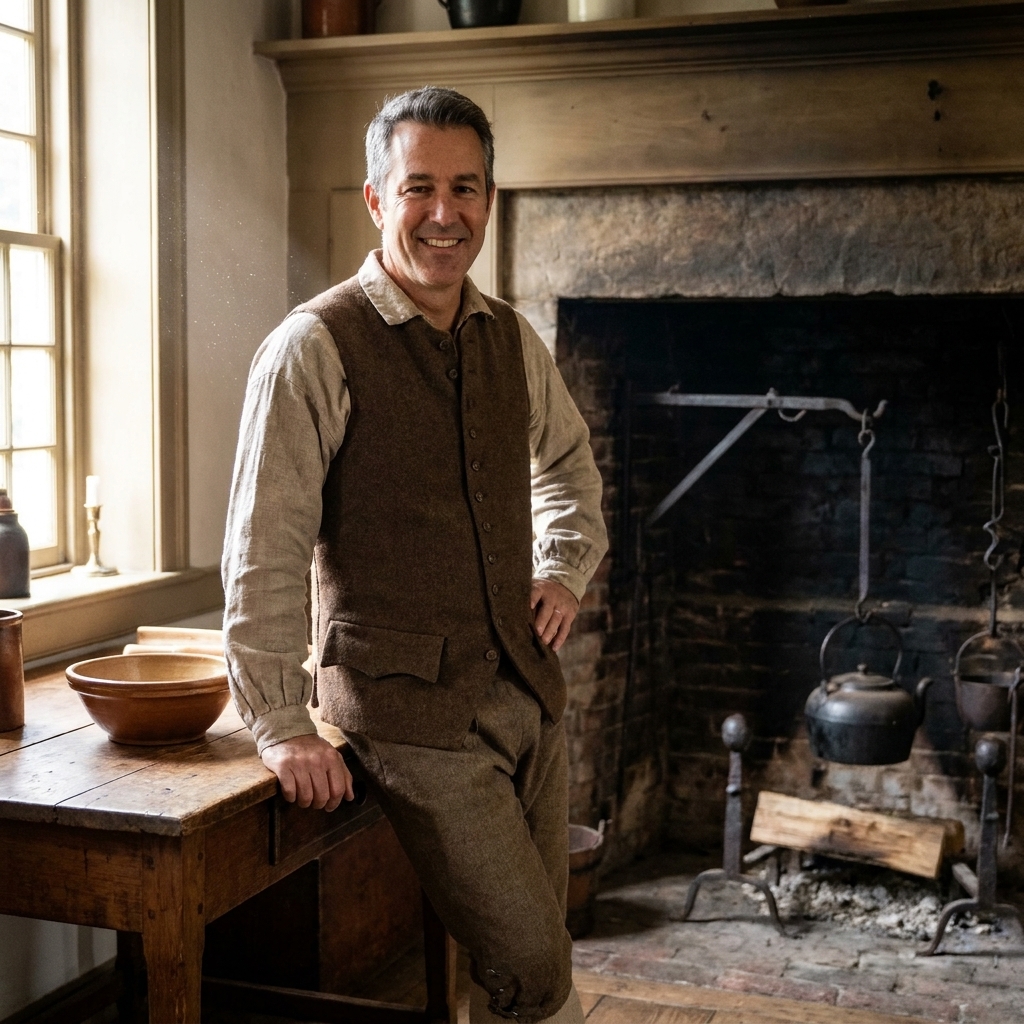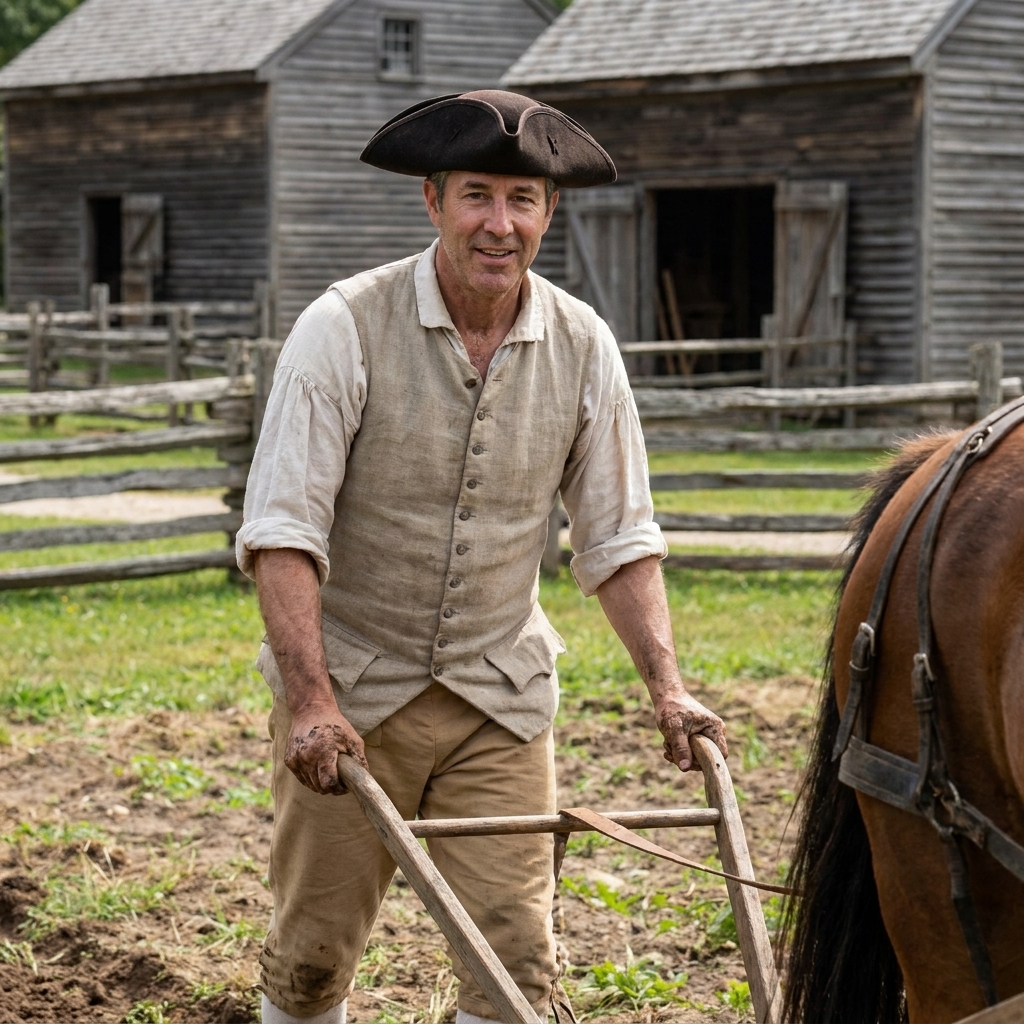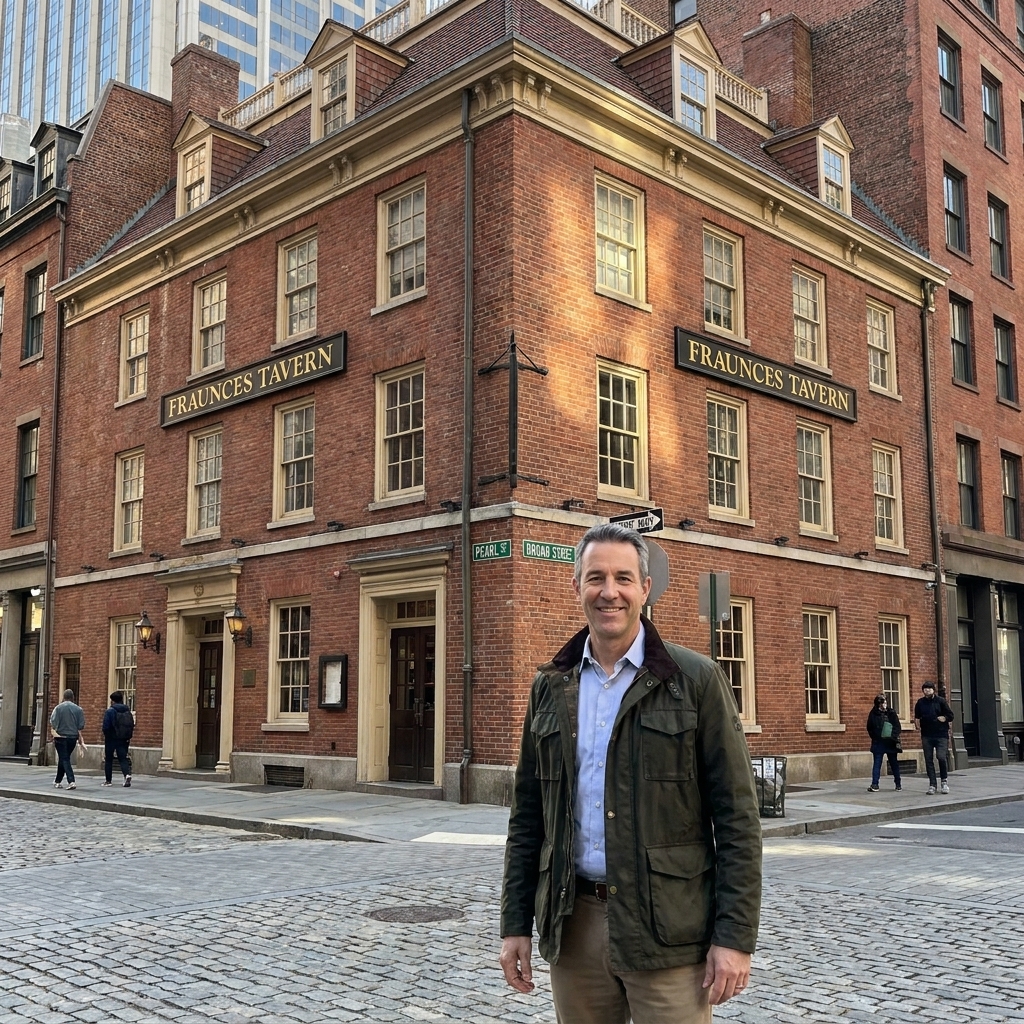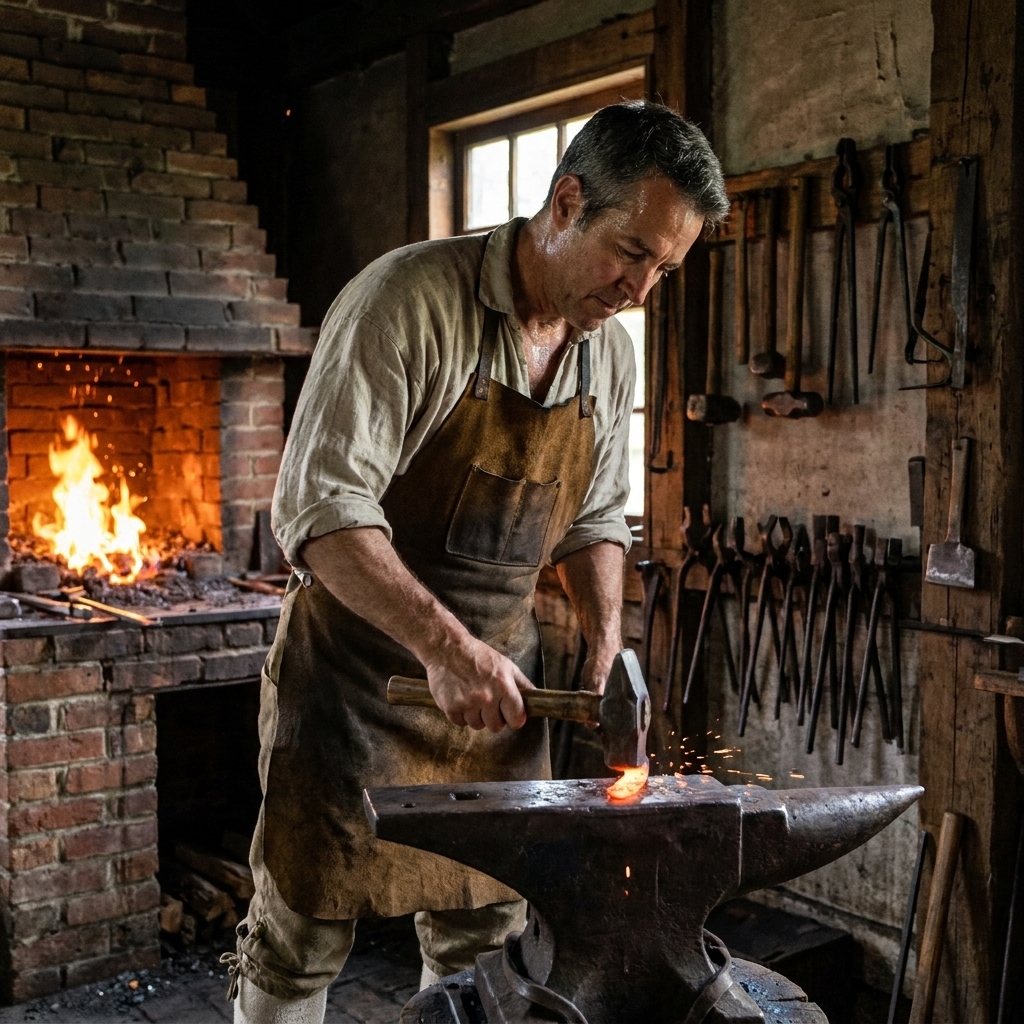

The first time I watched a cook crane a kettle over an open fire, I realized how much of the Revolution is hiding in plain sight, right there in the kitchen. Not in grand speeches or battle maps, but in the slow choreography of daily survival: splitting kindling, tending coals, and stretching flour, salt pork, and garden scraps into something that could carry a family through winter.
If you have ever toured a battlefield and wondered what people ate before they marched, or what kept children fed while militia were away, hearth-cooking demonstrations are one of the best ways to make the 18th century feel immediate. The good ones are not “cute old-timey recipes.” They are heat, smoke, timing, and trade-offs.
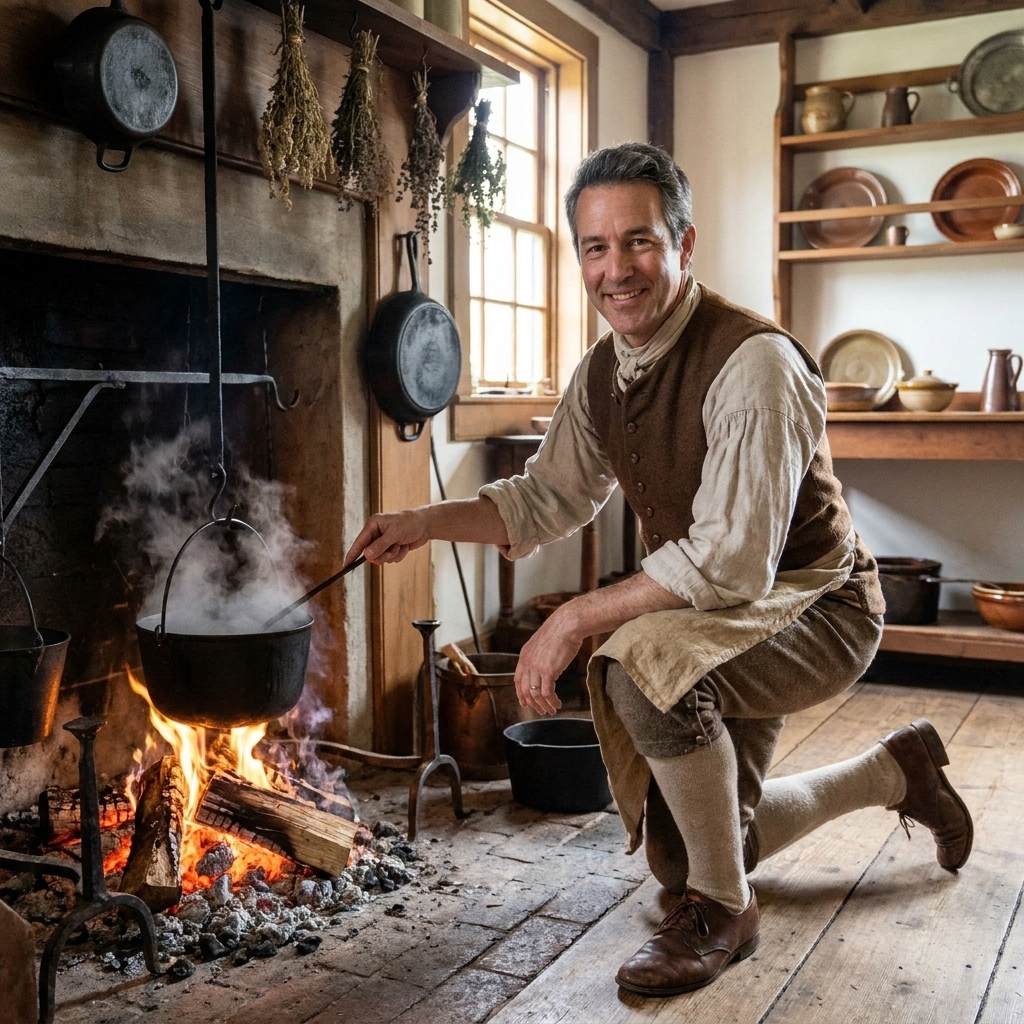
Below are some of my favorite places to experience Revolutionary-era and time-adjacent hearth programs, plus a few museums outside the 1770s that I still recommend because the core skills are the same. If you know what you are looking at, a 17th-century stew pot or a 19th-century bake day can still teach you the mechanics that mattered in 1776: how to control heat without knobs, and how preservation and seasonality decide what is even possible.
What feels real
Before we get to the museum list, here are a few details that separate a memorable hearth program from a quick photo-op.
- They cook with the fire, not just near it. Look for raked coals, trammels, pot hooks, and a cook who is clearly managing heat zones.
- Period tools do the real work. Dutch ovens, spider pans, bake kettles, gridirons, wafer irons, and a turning spit tell you the kitchen is meant to be used.
- They explain the “why,” not only the “what.” Why wheat flour could be a luxury on the frontier or during wartime disruptions, while port towns might have better access. Why salt mattered. Why milk, eggs, and fresh produce were seasonal, not constant.
- The menu fits the place. Tidewater kitchens should not feel like frontier cabins. A Dutch-influenced Hudson Valley meal looks different than a New England boiled dinner.
- You learn about work, not just food. Who did the cooking, how labor was divided, and how enslaved and free workers kept households running is part of the story.
If you want to build a whole trip around everyday life, start with my Colonial Life guide and then tack on a battlefield or historic town nearby for contrast.
Where to go
These sites are well known for immersive interpretation and hands-on demonstrations. Schedules change by season, so I always recommend checking the daily program before you go, especially in winter and the shoulder months.
Colonial Williamsburg (Williamsburg, Virginia)
If you want the “full orchestra” of 18th-century foodways, it is hard to beat Colonial Williamsburg. You will find working hearths, bake ovens, gardens, and interpreters who can talk comfortably about everything from preservation to transatlantic trade.
- Don’t miss: conversations about imported spices, sugar, tea culture, and how status showed up on the table.
- Why it stands out: the scale lets you compare elite dining with more modest fare and see how quickly daily life changes when money, access, and labor change.
Fort Ticonderoga (Ticonderoga, New York)
Fort Ticonderoga is better known for military history, but it can also be a strong place to catch demonstrations that connect rations, supply, and camp cooking to strategy, especially during peak season and special event weekends. When you see how food moves, you understand why armies pause, where they march, and what they can realistically do.
If you are planning a visit, my trip notes in A Weekend at Fort Ticonderoga can help you build a two-day loop that balances fort life with the surrounding landscape.
Plymouth Patuxet Museums (Plymouth, Massachusetts)
This one predates the Revolutionary era by a long stretch, and that is exactly why it belongs here as a skills lab. A 1620s hearth is not a 1770s hearth, but the underlying constraints do not change: fuel is limited, seasons decide the pantry, and most meals are built around what you can store.
- Don’t miss: discussions of corn, beans, squash, seafood, and the practical logic of one-pot meals.
- Why it still helps your Revolutionary lens: you leave thinking less about “recipes” and more about systems: planting, drying, salting, smoking, and making do. Those systems are the backbone of any wartime household too.
Strawbery Banke Museum (Portsmouth, New Hampshire)
Strawbery Banke is wonderful for understanding how foodways evolve across generations in one place. You will often see cooking tied to specific homes and social histories, which makes the experience feel personal rather than generalized. It is also a useful reminder that the Revolutionary period did not arrive like a light switch. Many households were cooking in older rhythms even as politics changed.
- Don’t miss: hearth programs that compare ingredients and techniques across time.
- Why it stands out: it is one of the best “food as a window into community” museums I have visited.
Old Sturbridge Village (Sturbridge, Massachusetts)
Old Sturbridge Village is a 19th-century village, not a Revolutionary-era one, and I want to be upfront about that. But if what you are chasing is the feel of a working hearth, the time cost of food, and the way a household calendar revolves around bake days and preservation, this is one of the clearest places to see it.
Think of it like listening to a later verse of the same song. The tune changes, the pantry shifts, but the tempo of labor around a fire is familiar.
- Don’t miss: bake days and seasonal preservation work.
- Why it still matters for 1776: the interpretation connects food to trades, farming, and the household economy, which is exactly the web you need to picture when you are standing on a battlefield wondering how anyone fed an army.
Genesee Country Village & Museum (Mumford, New York)
Like Old Sturbridge Village, Genesee Country is largely 19th century. I include it because it is one of the better places I have been for seeing rural foodways as a year-round strategy rather than a weekend novelty. When the hearth is going and the gardens are in full swing, the whole place smells like late summer and wood smoke.
- Don’t miss: demonstrations that highlight preservation and winter planning.
- Why it still translates to Revolutionary households: you get a sense of how quickly “plenty” can turn into “scarcity” depending on harvest and weather, and that is a Revolutionary story as much as a 19th-century one.
Also worth considering
If you want to keep your itinerary anchored in the 18th century without leaning on later villages, watch for hearth programs at historic house museums, city living-history sites, and Revolution-focused event weekends. Even when a site is not marketed as “food history,” a kitchen tour with a working hearth can be the most honest room in the building.
For families: look for programs you can taste
Not every museum can offer samples, and some should not due to safety rules. But when a site does offer small tastings, it can be a game changer for kids. A bite of brown bread or a spoonful of stew turns history from “listen” into “remember.”
Battlefield weekends and camp kitchens
Some of the most striking hearth cooking I have seen has been at special events, not permanent village museums: anniversary weekends, encampments, and themed heritage days where demonstrators set up period kitchens and talk about rations, foraging, and camp life.
I share my approach to building trips around those weekends in Plan Your Trip Around Revolutionary War Reenactments.
Home food vs camp food
It helps to separate two related stories.
- Home-front hearth cooking is about seasonality, preservation, household labor, and keeping people fed through long stretches of uncertainty. You are likely to see it best in historic towns, house museums, and large living-history sites.
- Army and camp cooking is about rations, fuel discipline, and feeding many mouths with limited tools, often in bad weather. You are likely to see it best at forts, military-focused living-history programs, and event encampments.
Both are Revolutionary history. They just live in different kitchens.
What you notice
Open-hearth cooking is not just “cooking without a stove.” It is a different way of thinking. The cook is managing time and heat with motion: lifting, swinging, rotating, and shifting pots so nothing scorches.
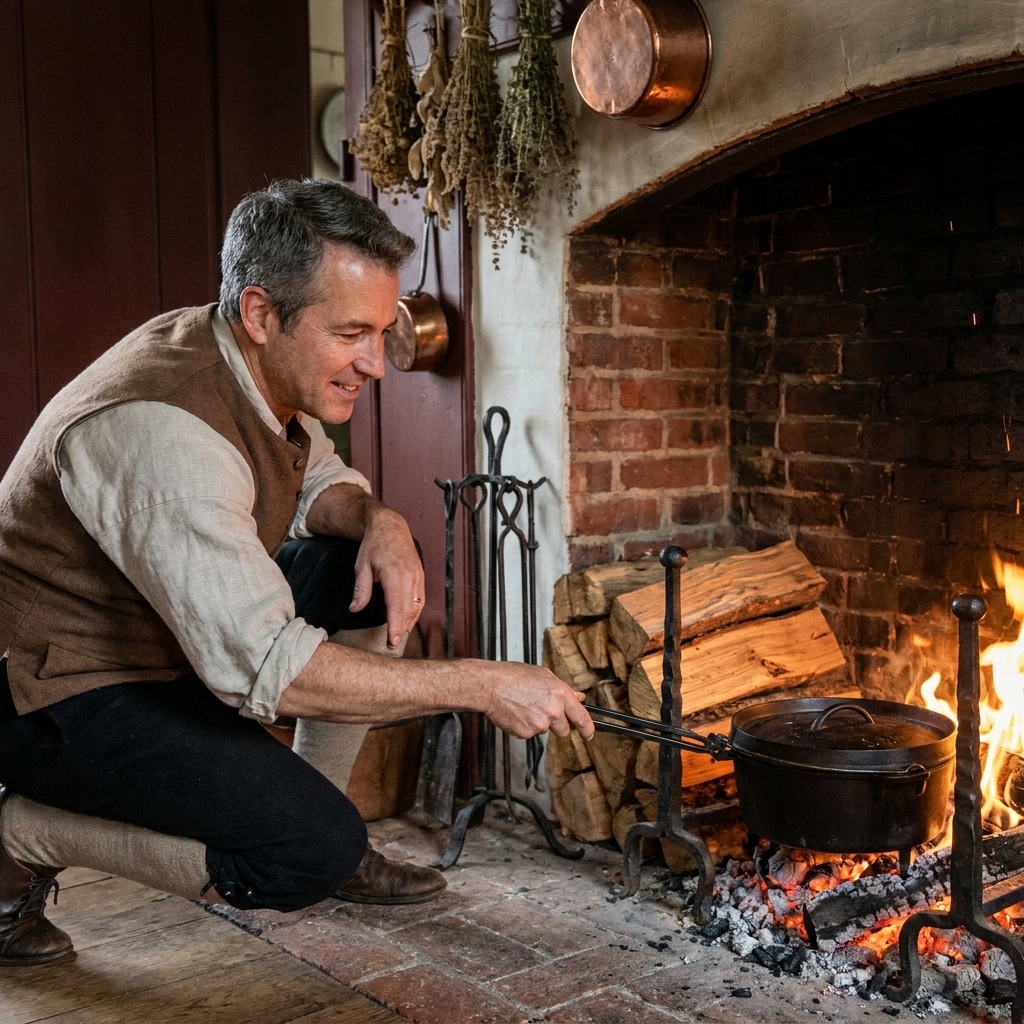
- Boiled dishes: stews, porridges, and boiled dinners are common because they are efficient and forgiving.
- Roasts and spits: when you see a turning spit in action, notice how much labor it takes to keep it moving.
- Bake-oven work: bread and pies require skill because heat is stored in masonry and managed with timing.
- Seasonal logic: fresh greens in spring, berries in summer, preserved foods and stored roots later on.
- Everyday drinks: cider, small beer, and herb teas often come up because stored beverages were reliable year-round, and in some settings more predictable than surface water.
Diet basics
“Colonial diet” was never one thing. It changed by region, class, season, and whether your household had access to gardens, livestock, imported goods, or forced labor.
That said, a few broad themes show up again and again in well-interpreted kitchens, including the ones that sit just outside the Revolutionary years:
- Grains were the backbone. Wheat, corn, rye, and oats in breads, porridges, puddings, and dumplings.
- Meat was often preserved. Salt pork, salted beef, smoked fish. Fresh meat could be episodic, tied to slaughter schedules.
- Vegetables were practical. Onions, beans, peas, cabbage, turnips, and other storage-friendly crops.
- Sugar and spices carried status. They were not just flavors, they were signals of connection to global trade.
- Waste was the enemy. Leftovers were reworked, bones became broth, fats were saved, and bread went stale on purpose because it still had uses.
Want a strong “on the ground” skill for understanding daily life at any site? Learning to read landscapes helps. I often pair a hearth visit with a walk where I am looking for old road traces, rivers, and choke points. My guide How to Read Revolutionary War Battlefield Maps On-Site is written for that exact kind of travel.
How to plan
- Go earlier in the day. Many hearth meals start with prep. Arrive before “serving time” and you will see the real work.
- Ask what is driving the menu. Is it seasonal? Is it tied to a specific household? Is it a ration demonstration?
- Look for shoulder-season weekends. Spring and fall often have the best balance of programming and manageable crowds.
- Bring questions that unlock stories. “What do you do if it rains for a week?” “How do you keep butter?” “What happens when salt runs out?”
- Pair it with an overnight. Hearth cooking hits harder when you are not rushing. If you need help structuring a multi-stop trip, I put my approach in Plan a Revolutionary War Site Visit.
FAQ
Do these sites cook over real fires?
Many do, especially at living history villages and during special event days. Some historic houses use non-burning hearth interpretation for conservation reasons. If open flame is what you are after, check the daily schedule for words like “hearth cooking,” “bake oven,” “kitchen demonstration,” or “cookery.”
Is colonial food bland?
It can be simpler than modern restaurant food, but “bland” is not the right word. Smoke, vinegar, onions, herbs, and preserved flavors can be surprisingly bold. The bigger difference is texture and repetition: the same staples show up in many forms.
Is hearth cooking good for kids?
Yes, especially when interpreters connect food to choices kids understand, like snacks, chores, and “what’s in season.” If your family is building a broader itinerary, you might also like Top 5 Revolutionary War Battlefields to Visit with Kids for stops that balance learning and energy levels.
What should I read first?
Even a basic sense of wartime supply and seasonal scarcity helps. If your trip includes military sites too, it is worth skimming a site’s background before you arrive so you can focus on the sensory details and questions once you are in the kitchen.
What I listen for
When an interpreter starts talking about fuel, I know I am in the right place. Wood is time. Wood is labor. Wood is heat you can spend only once. In the 18th century, the hearth was not decorative. It was the household engine.
Stand close enough to feel the warmth on your face, and you will understand why “hearth and home” was never just a phrase. It was the daily work that made everything else possible.