
I grew up in Pennsylvania, the kind of place where a weekend drive could end at a quiet state park with a sun-faded historical marker and a field that looked ordinary until you read the plaque. Years later, after more Revolutionary War road trips than I can count, some of the most vivid “time travel” moments I have had did not happen on a battlefield. They happened at working farms, where the air smells like cut hay, the fence rails are rough-sawn, and the story of the Revolution is told through food, fiber, and hard daily labor.
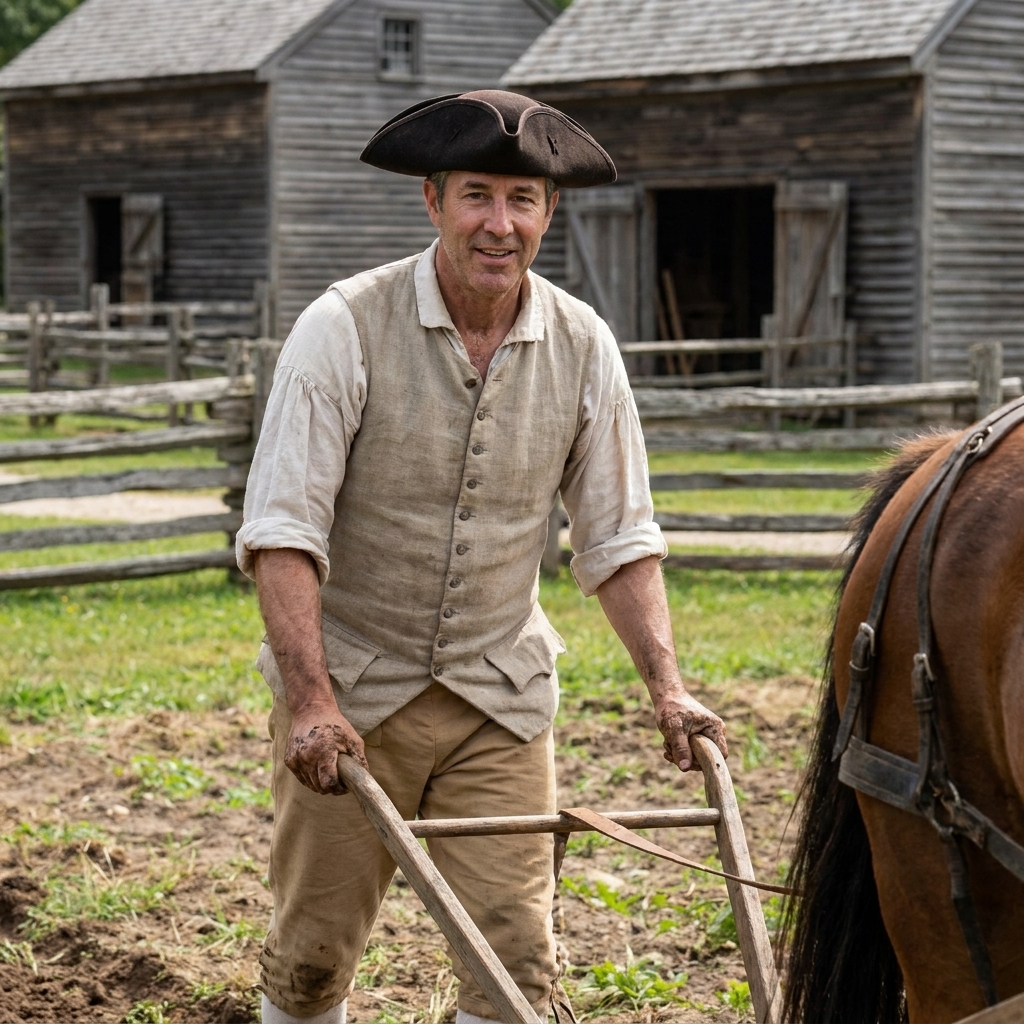
If you want to understand the 18th century beyond muskets and marching, go where the economy actually lived: in fields and barns, in orchards and kitchen gardens, and in the gritty work of dairies and smokehouses. The best sites do more than display a plow. They plant older crop varieties, keep traditional livestock breeds, and interpret why those choices mattered to households, armies, and entire regions.
What “heirloom” and “heritage” mean
These terms get used loosely, so here is the practical way I think about them when I am standing at a farm gate with a map in one hand and a snack plan in the other.
Heirloom seeds and crops
- Heirloom varieties are typically older, open-pollinated strains that have been maintained through seed saving. In a colonial setting, seed saving was not a hobby. It was insurance.
- Expect to see kitchen garden staples (beans, peas, cabbages, onions, herbs), field crops (corn, wheat, rye, oats), and often fiber plants like flax for linen.
- On some sites, you will also spot dye plants (madder, and indigo in parts of the South) and medicinal herbs used in household remedies.
Heritage livestock breeds
- Heritage breeds are traditional animal breeds that were common before modern industrial farming narrowed the gene pool. They are often well-suited to pasture and low-input systems, though every breed has its tradeoffs.
- On living history farms, heritage animals help answer questions visitors do not even realize they have, like why woolen cloth felt so valuable, why salt mattered, and why manure piles were treated like savings accounts.
When a site truly commits to both, you get a living, seasonal calendar of the 1700s: spring planting, summer haying, fall harvest, winter slaughtering, and the steady work of keeping people fed and clothed in between.
The sites that do it best
“Working colonial farm” can mean a lot of things. Some places are full agricultural landscapes with livestock, crop rotations, and historic barns. Others focus on kitchen gardens and foodways. The best visits usually combine three ingredients: real agriculture, skilled interpreters, and hands-on demonstrations.
Colonial Williamsburg’s working landscapes (Virginia)
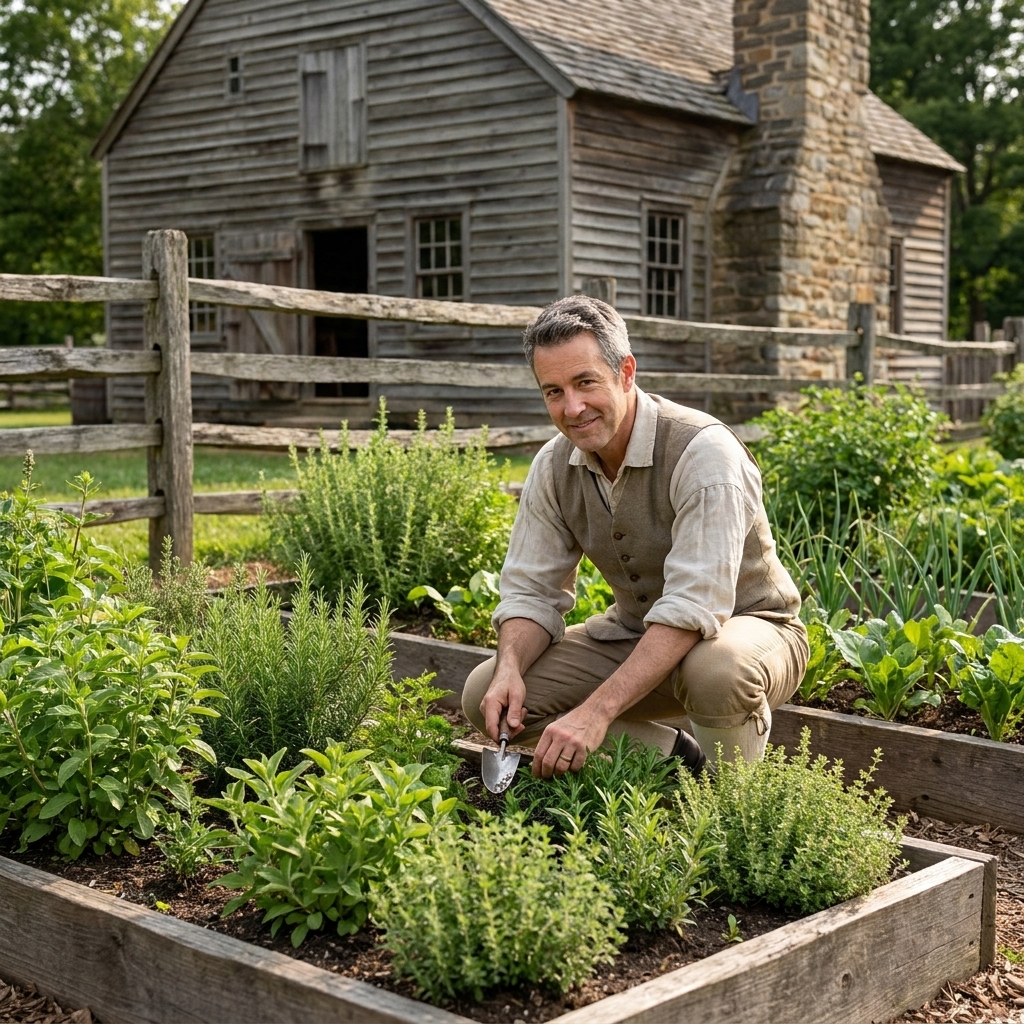
If you want breadth, this is hard to beat. In and around Colonial Williamsburg, you can encounter kitchen gardens, orchard work, and demonstrations that connect agriculture directly to trades and household life. What I love most is how quickly the conversation turns from “what is that plant?” to “who did the labor, who controlled the land, and who ate the results?” That is the Revolutionary era in one sentence.
Mount Vernon’s farm, gristmill, and distillery (Virginia)
Mount Vernon is often framed as a mansion visit, but the agricultural operation is where the scale of the story becomes clear. Washington was notably experimental about crops and soil improvement, and the estate helps you see how a large operation functioned as an engine: fields feeding people, a mill processing grain, and a distillery converting grain into a high-value product.
One quick timeline note that helps set expectations: the farm interpretation spans Washington’s lifetime, while the distillery you visit reflects his later, post-presidency enterprise. Either way, the takeaway is the same. Land, labor, and markets shaped daily life long before and long after anyone fired a shot.
Old Sturbridge Village (Massachusetts)
Old Sturbridge Village is not strictly a Revolutionary era site. It interprets rural New England in the 1830s, when many farming rhythms, tools, and household routines still looked familiar compared to the late 1700s. If your goal is to see agriculture as lived experience, it excels: animals, historic barns, and demonstrations that make the “why” feel tangible. If you are traveling with kids, this is one of those places where the learning sneaks up on them because there is always something moving, sizzling, or being built.
Plimoth Patuxet Museums’ agriculture and foodways (Massachusetts)
Earlier than the Revolution, yes, but still useful for understanding the deeper agricultural roots that shaped later New England diets. What carries forward is less about the exact year and more about the fundamentals: crop mixes that thrive in local soils, seasonal constraints that govern the table, and how agricultural knowledge moved between communities. It is a strong companion stop if you are building a bigger New England itinerary.
Historic homesteads that put women’s work front and center
If you only chase big “farm” sites, you can miss the most constant labor of all: turning ingredients into meals, soap, candles, cloth, and medicine. Some of the most effective agricultural interpretation is actually tucked into domestic spaces where gardens, dairies, and kitchens meet.
If this side of the story is what you are craving, I would start with my guide to colonial women’s lives at historic homesteads. It pairs perfectly with farm visits because it connects crops and livestock to the people who processed them day after day.
Before you go
- Expect uneven ground. Farm lanes, pasture paths, and barn thresholds can be lumpy, muddy, or slick.
- Plan for sensory reality. Barns can be loud, dusty, and pungent. That is part of the point, but it can surprise people.
- Accessibility varies. Some farms have ramps and smooth paths, others have stairs and narrow doorways. If wheelchair access is a priority, start with wheelchair-accessible Revolutionary War sites on the East Coast and then confirm specifics with each farm site before you go.
What to look for on-site
Here is what I watch for when I am trying to decide whether a farm visit will feel like a living landscape or just a pretty backdrop.
- Crop rotation and field variety. Even small plots should show changes through the season, not just a static “colonial garden.”
- Seed saving and storage talk. The best interpreters explain how families saved seed, stored grain, and guarded against hunger years.
- Heritage breeds with interpretation. Seeing sheep is nice. Hearing why wool mattered, how shearing season worked, and what breeds were used is the gold.
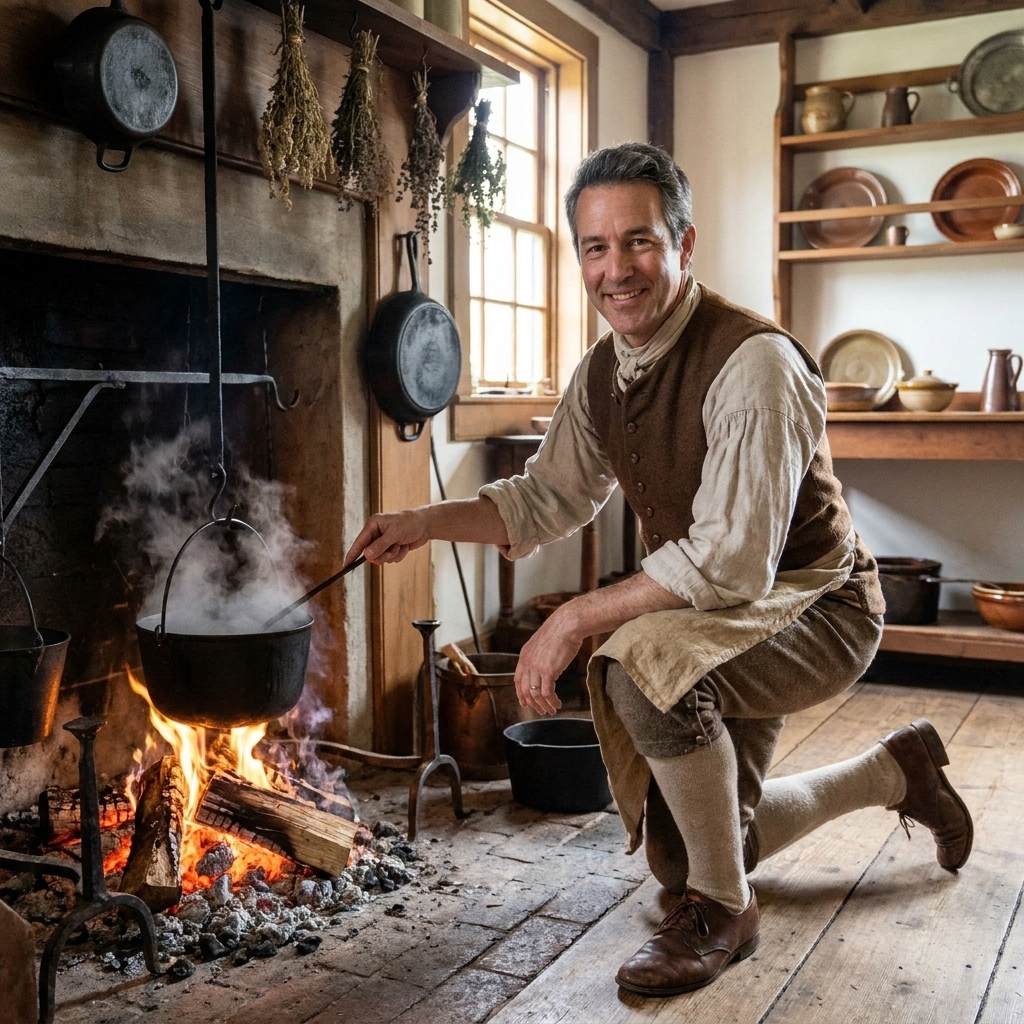
- Processing demonstrations. Look for gristmills, flax breaking, spinning, weaving, candle dipping, soap boiling, hearth cooking, smoking, salting, or brewing.
- A clear labor story. Farms and plantations were built on labor systems that were often brutal and coerced. Responsible sites address this directly, not vaguely.
- Honest reconstruction. Some “colonial farms” are preserved landscapes, and some are carefully researched reconstructions. Either can be excellent if the site is transparent about what is original, what is rebuilt, and how they know what they know.
How farms fit Revolutionary War travel
When you stand in a wheat field or a kitchen garden, you start to understand the war as a logistical problem, not just a political one. Armies marched on flour, salted meat, forage, and the ability to move those supplies on bad roads.
One of my favorite ways to build an itinerary is to pair a farm day with a “movement” day. If you are doing that, these reads on the site will help you connect landscapes and routes:
- Plan a Revolutionary War site visit for pacing, expectations, and what to pack.
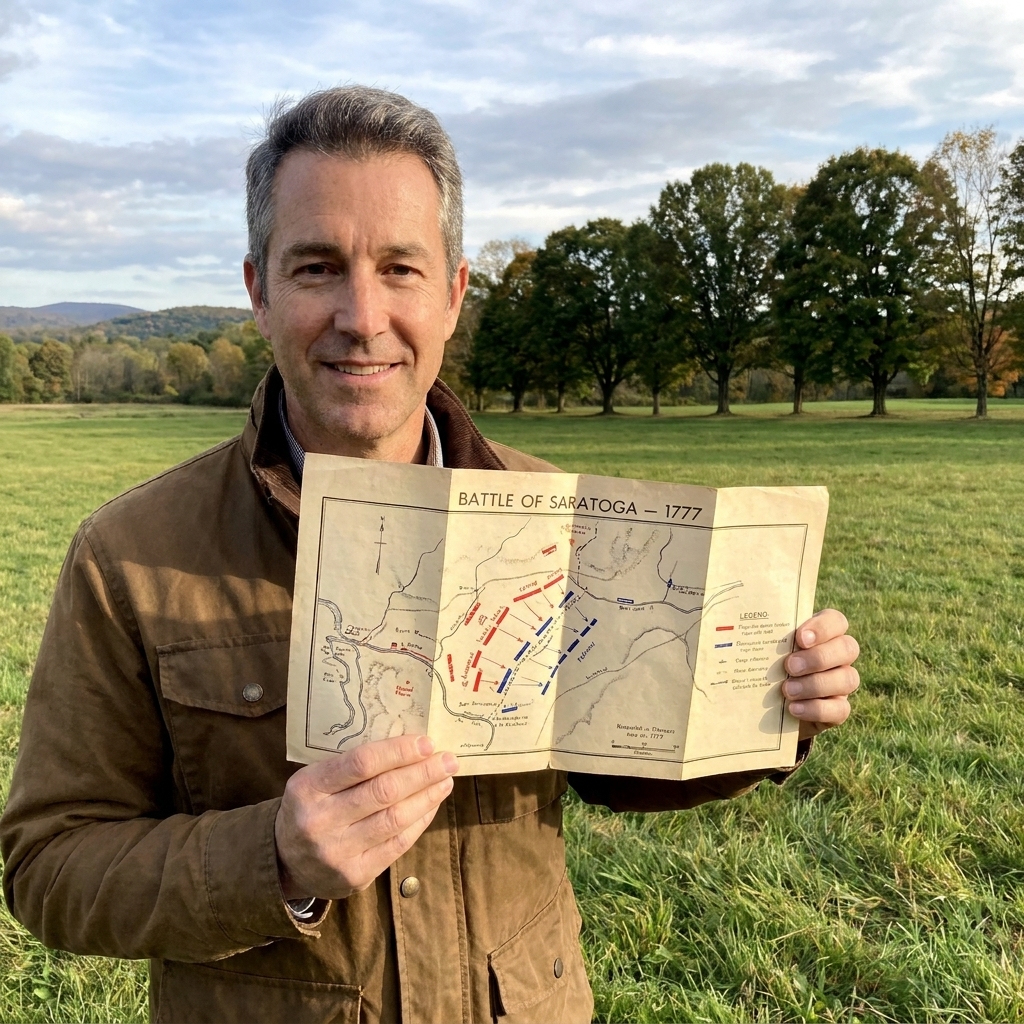
- How to read Revolutionary War battlefield maps on-site, because farm country and battlefield country are often the same country.
- Colonial cooking museums when you want the “from field to fire” version of the story.
Practical tips
Go in the right season
- Late spring is planting energy, gardens waking up, and usually comfortable weather.
- Mid-summer is lush fields and animal activity, but it can be hot and buggy in open country.
- Fall is harvest demonstrations, cider, and the best “busy farm” feeling.
Dress for farm reality
- Closed-toe shoes you do not mind getting dusty.
- Sunscreen and a hat for open fields.
- A layer for shady barns and breezy ridgelines, especially in shoulder seasons.
Ask these questions
- Which crops here would have fed people locally, and which were grown for market?
- How did families preserve food without modern refrigeration?
- What did livestock do besides provide meat? Think wool, hides, dairy, manure, traction.
- What changes after 1775 in this region’s agriculture, trade, or labor systems?
Quick glossary
- Gristmill: A mill that grinds grain into flour or meal.
- Forage: Feed for animals, often hay or pasture plants. Armies demanded it constantly.
- Open-pollinated: Plants that tend to reproduce true to type from saved seed, with natural variation.
- Kitchen garden: A household food garden, usually close to the house for daily harvesting.
- Fiber crops: Plants grown for cloth-making, especially flax for linen.
Why these visits stick
Battlefields teach you where people fought. Working farms teach you why they could keep fighting, and what it cost the households left behind. When you watch flax being processed into linen or see how much grain it takes to keep a community fed, the Revolution stops being a chapter heading and turns into a lived landscape.
And if you are building a broader Colonial Life loop, start with the hub: my Colonial Life guide. It is the easiest way to stitch farms, kitchens, trades, and towns into one trip that feels like a story instead of a checklist.