
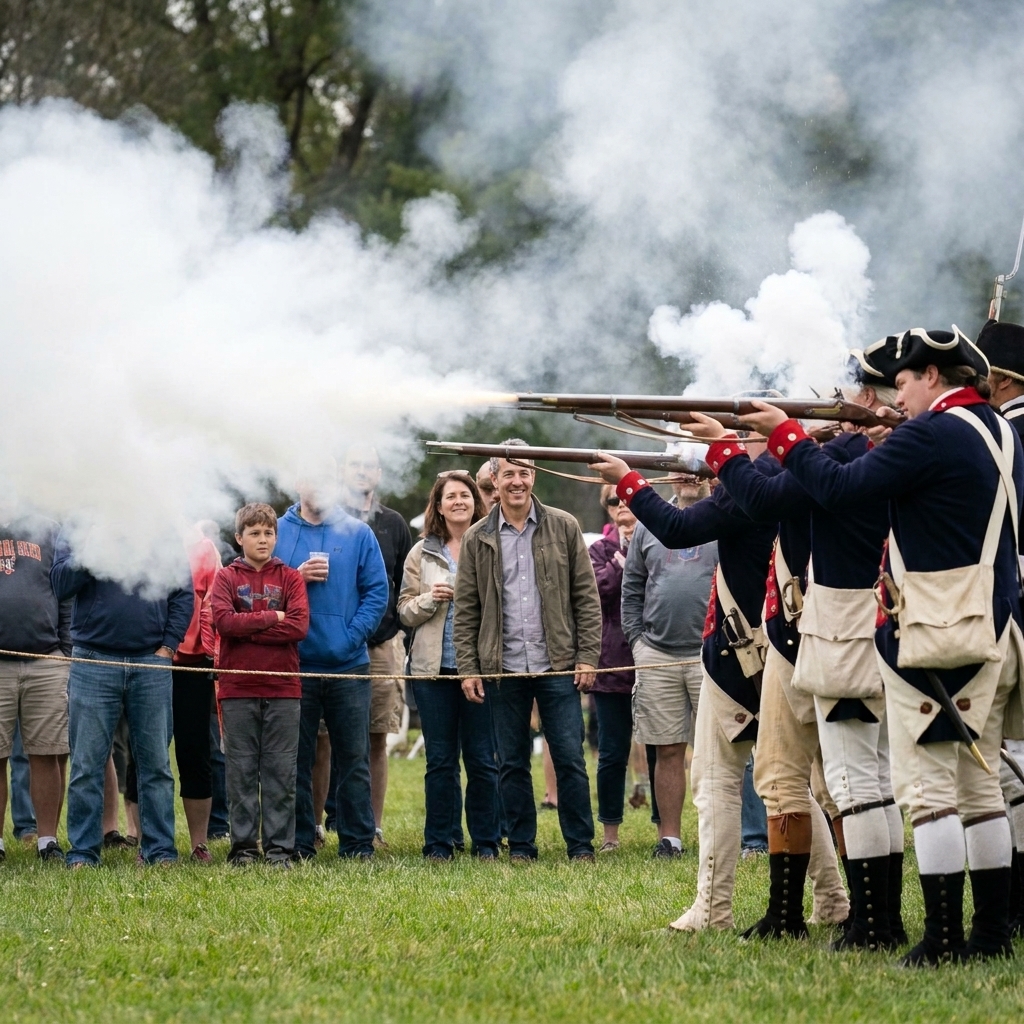
I still remember the first time I heard a musket volley crack across a modern treeline. For a split second, my brain tried to file the sound under “fireworks.” Then the smoke rolled, the line held, and you could actually see why 18th-century tactics were built around timing, discipline, and nerves. Reenactments do not replace a battlefield visit, but they add something books cannot: motion, noise, confusion, and the human scale of it all.
If you plan your trip well, a reenactment weekend can be one of the best ways to experience Revolutionary War tactics in action, especially with kids or first-timers. Here is how I build an itinerary around reenactments, what to pack, and the little details that keep the day fun instead of frustrating.
Start with the right kind of reenactment
Not every event that features redcoats and tricorns is a battlefield reenactment. Some are tactical demonstrations, some are living history days, and some are large festivals that include a short scripted battle. None of these are “bad,” but they deliver different experiences.
- Battle reenactment: A scheduled scenario where opposing sides maneuver and fire in formations. Best for seeing tactics, cadence, and command.
- Tactical demonstration: Smaller scale drills, musket loading demos, artillery talks, and sometimes short skirmish sequences. Best for Q and A and getting closer to gear.
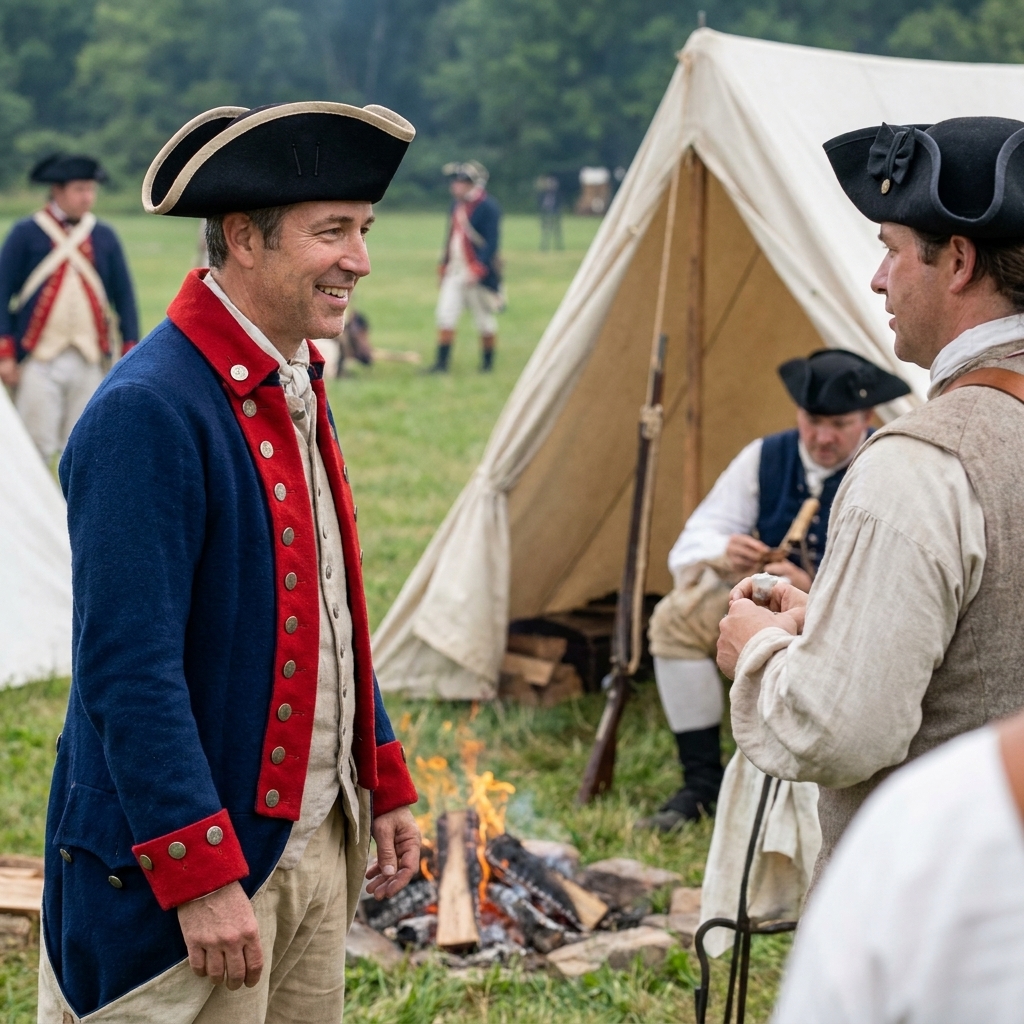
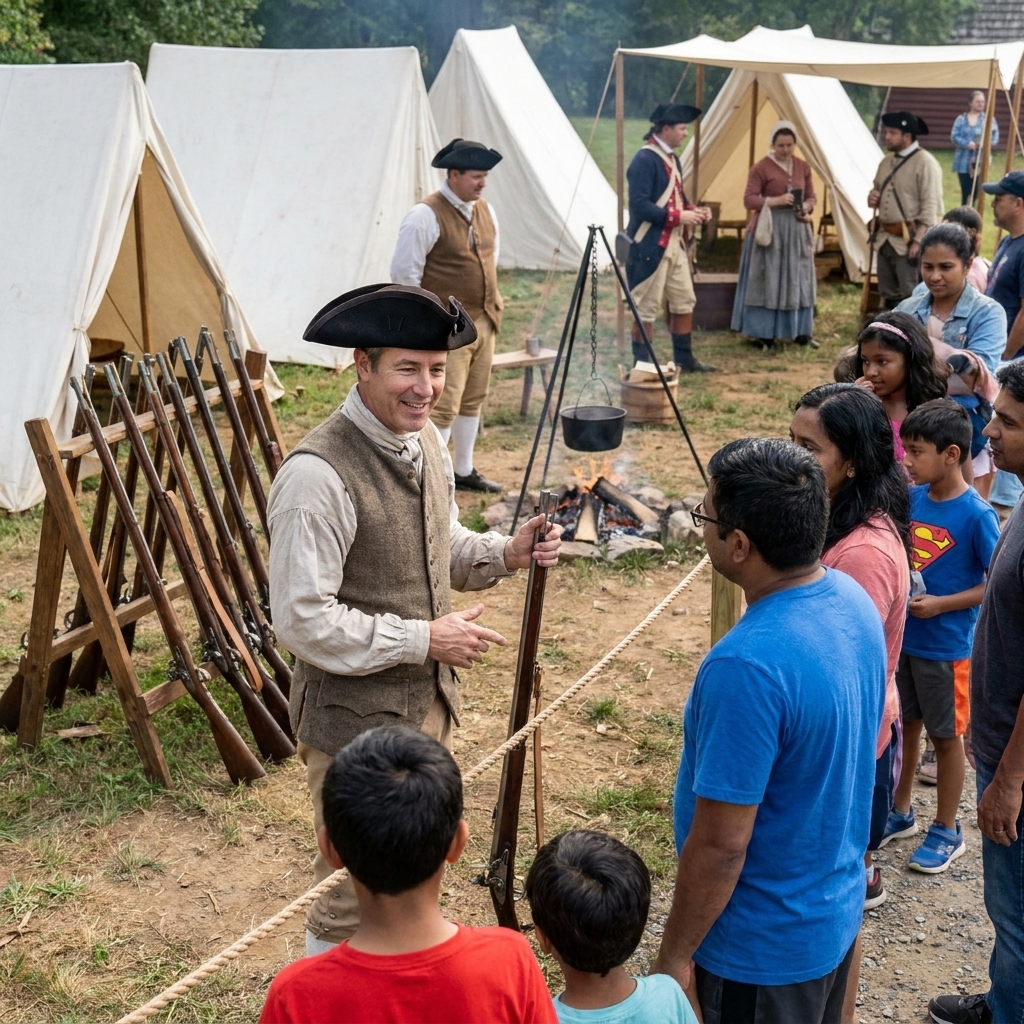
- Living history weekend: Encampments, cooking, crafts, medical impressions, and civilian life with occasional weapons demos. Best for families and deeper context.
- Commemorations and marches: Wreath layings, guided walks, and memorial programs. Best if you want reflection and landscape, not noise.
If your main goal is to watch 18th-century tactics unfold, prioritize an event that explicitly lists battle times and describes units maneuvering (not just firing).
To connect the reenactment with real ground afterward, I like pairing the weekend with a site visit plan. My general approach is laid out here: Plan a Revolutionary War site visit.
How to find annual reenactments without guesswork
Reenactments can be surprisingly hard to locate if you only search “reenactment near me.” The best sources tend to be the organizations that host them and the parks that permit them.
My three-step search method
- Check the battlefield or historic site calendar first. National, state, and local historic sites usually list major weekends months in advance.
- Look for regional reenacting groups. Many units publish event schedules, even when the park calendar is vague.
- Confirm details on the host page. Social posts are great for buzz, but your plan needs the host’s schedule, parking directions, and rules.
Reliable starting points
- National Park Service event search (use filters and park pages for specifics)
- American Battlefield Trust events (often highlights signature commemorations and programs)
- Daughters of the American Revolution events (helpful for ceremonies and local commemorations)
On this site, you can also browse battle-related trip ideas and context in the Battles guide.
Pick your weekend like a traveler, not just a history fan
A reenactment is a time-and-place event. Your comfort and sightlines depend as much on logistics as it does on historical accuracy.
Questions I ask before I commit
- How many battles per day? Two battle windows (often one mid-day, one afternoon) gives you flexibility if you arrive late or need a break.
- Is there an encampment open to the public? Encampments are where you can slow down, ask questions, and actually learn what you just watched.
- What is the terrain? A sloped field means bring a blanket or low chair. A wooded edge means bugs and shade but also obstructed views.
- What is the rain plan? Some events run in drizzle, some cancel. Knowing this affects how far you are willing to drive.
- How strict are the rules? Weapons safety rules, pet rules, and bag checks can change your day.
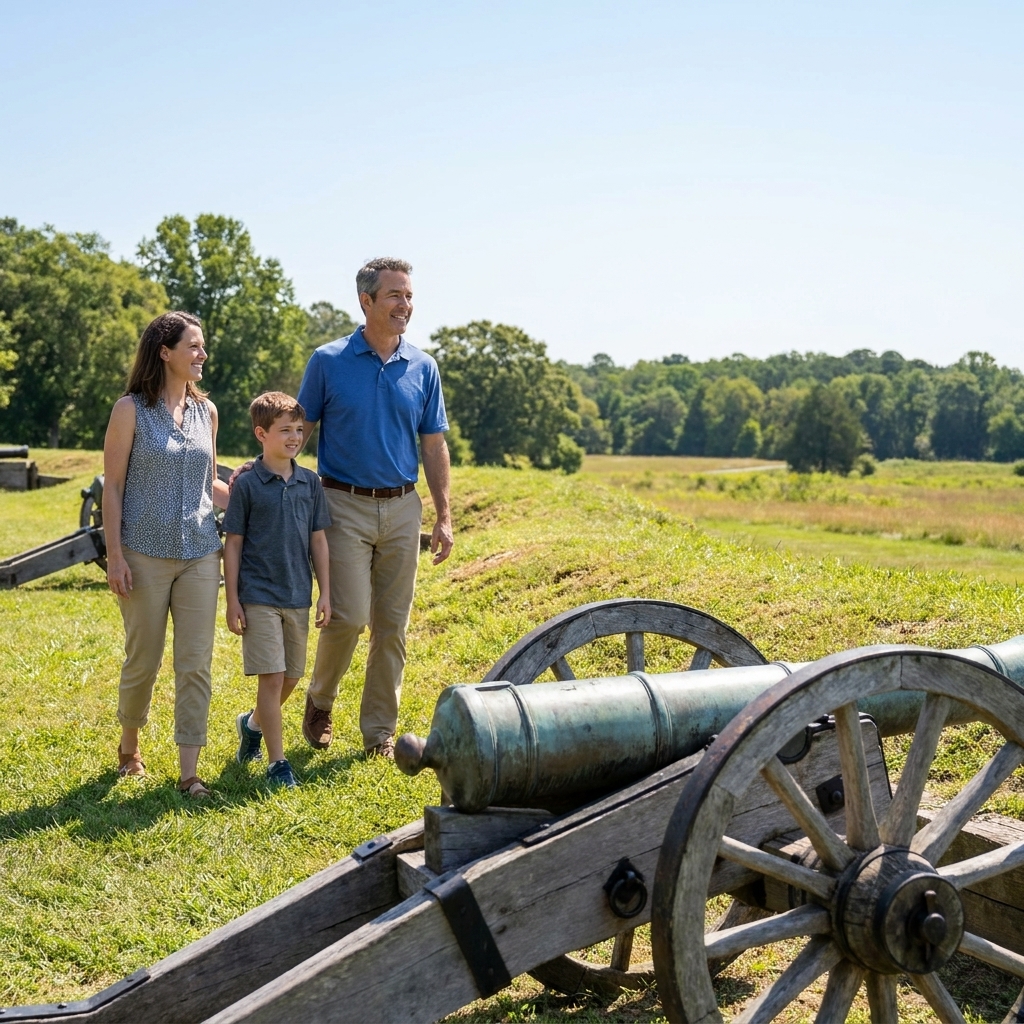
If you are traveling with kids, I also like reenactments at places with interpretive trails or a visitor center. It gives you a backup plan if attention spans burn out. For family-focused battlefield ideas, see: Top Revolutionary War battlefields to visit with kids.
Build an itinerary that actually works
Here is a simple structure that has served me well, whether I am visiting a major battlefield or a smaller local event.
The day-before plan
- Re-check the schedule the evening before. Battle times can shift.
- Map your arrival route and a backup. Two-lane park roads clog quickly.
- Pack “field comfortable,” not “museum comfortable.” You will be standing on grass, dust, gravel, and uneven ground.
Event-day flow (my favorite rhythm)
- Arrive 60 to 90 minutes before the first battle. This buys you parking, a good viewing spot, and time to walk the encampment.
- Encampment first, battle second. If you talk to an artillery crew or infantry interpreter before the fight, the battle makes more sense.
- Watch from one spot for the first battle. Resist the urge to roam. Let the scenario unfold.
- Move for the second battle. Change your angle. A flank view shows formations better than a straight-on view.
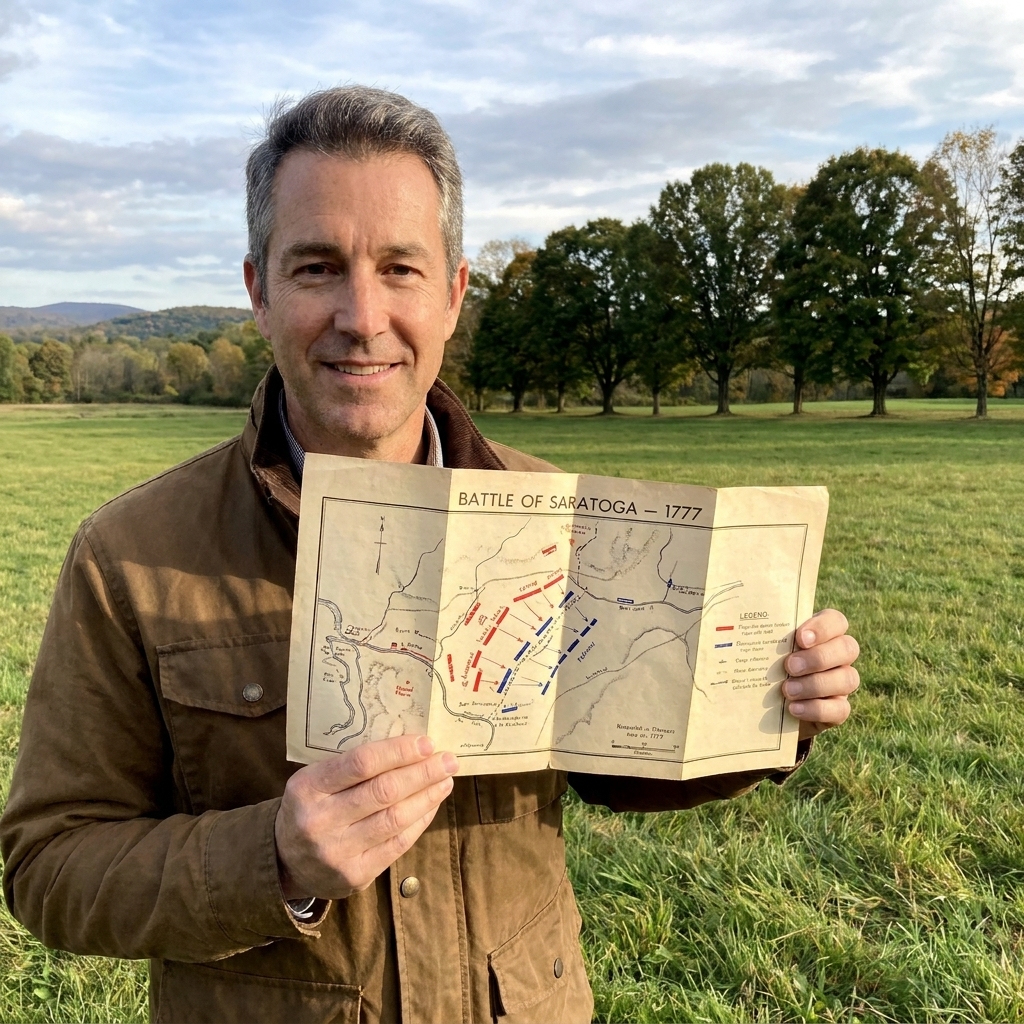
- End with a short battlefield walk. Even a half-mile loop helps you connect the reenactment to real terrain.
If the reenactment is near a site you want to explore more deeply, consider tacking on an extra day. For example, if you are planning a Southern Campaign loop, you can read up on sites like The Battle of Cowpens or Battle of Kings Mountain and then use the reenactment to bring the tactics to life.
What to bring (and what I stopped bringing)
Reenactments reward a little preparation. The trick is staying comfortable without hauling your entire trunk across a field.
My dependable packing list
- Low chair or blanket: Low seating keeps everyone’s sightlines fair. If chairs are restricted, a blanket is almost always fine.
- Layered clothing: Mornings can be cool, afternoons hot, especially in spring and fall.
- Rain shell and a small towel: Even if rain never comes, dew and wet grass are real.
- Sun and bug protection: Sunscreen, hat, and bug spray. Ticks are a reality at many historic sites.
- Water and snacks: Food vendors can be great, but lines can be long between battles.
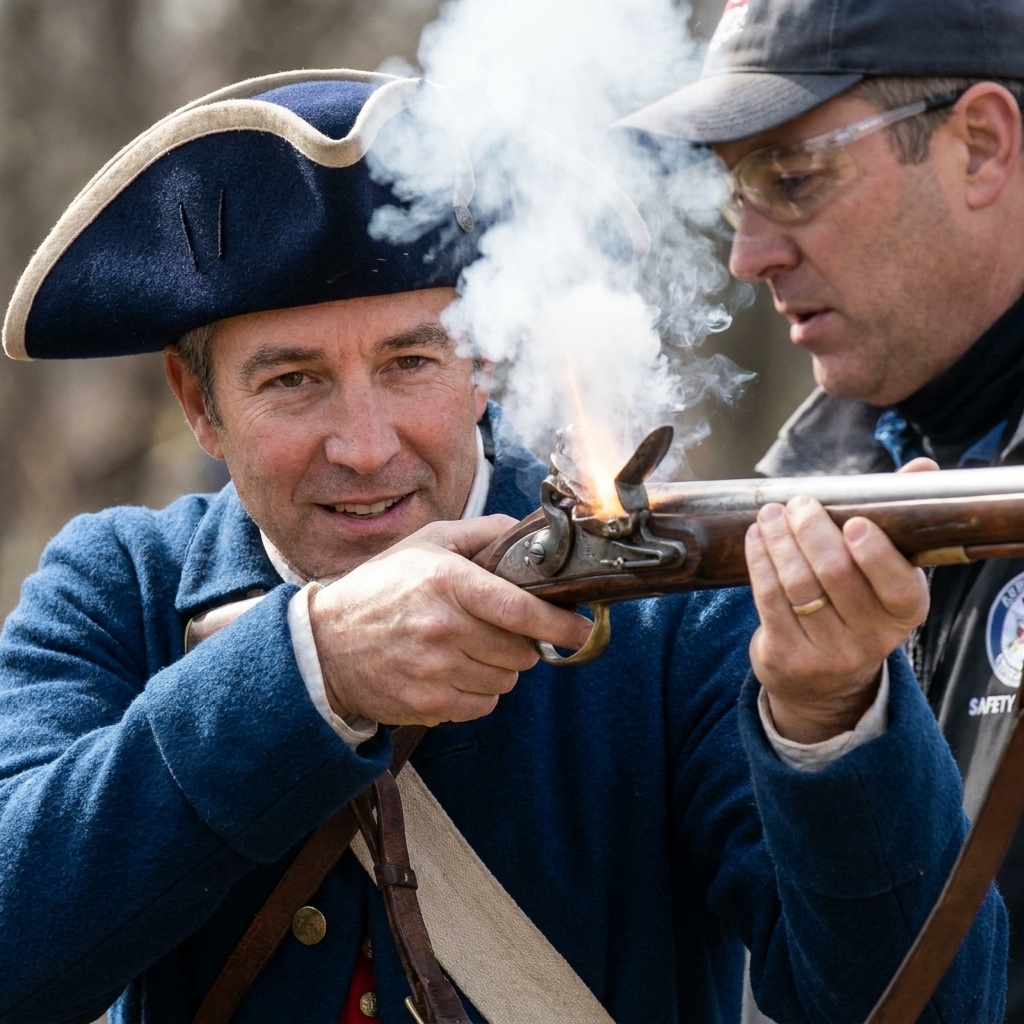
- Ear protection for kids: Muskets are loud up close, and artillery is louder. I always pack kid-sized ear muffs if children are coming along.
- Small binoculars: A compact pair makes formations and flags clearer without pushing closer to the rope line.
What I usually leave at home
- Tall camp chairs: They block views and are often discouraged.
- Heavy camera bags: You will walk more than you think. I prefer one lens and a small daypack.
- Anything you cannot carry comfortably for an hour: Parking is frequently farther out than you expect.
How to watch the battle like you know what you’re seeing
Reenactments move fast. You can enjoy them as spectacle, but if you want to come away understanding tactics, watch for a few key elements.
Five things to focus on
- Formations and spacing: Lines, columns, and how tightly men dress ranks.
- Command and cadence: Listen for shouted commands and watch how the line reacts. Drills were the technology of the day.
- Flank security: Many scenarios turn on who gets around the side of the other force.
- Smoke and visibility: After repeated volleys, it becomes harder to see. This is one reason bayonets and movement matter.
- Artillery roles: Note where guns are placed and what lanes they cover. Even a single piece changes behavior on the field.
If you are attending with friends or family, I like to do a quick “preview” in the encampment: ask an interpreter what scenario they are portraying and what the turning point will be. It makes the battle feel less like noise and more like story.
Photography and etiquette that keeps reenactors happy
Reenactors volunteer a lot of time and money to do this. A little courtesy goes a long way, and it also gets you better photos and better conversations.
- Respect rope lines and safety zones. They exist for a reason, especially around artillery.
- Ask before photographing individuals up close. Most will gladly say yes, and you may get a better pose or a quick explanation of what you are seeing.
- Do not touch weapons or gear. Even “unloaded” pieces are handled with strict rules.
- Wait until after battle scenarios to ask detailed questions. Before a fight, units are trying to stay organized and safe.
- If you bring a drone, assume it is not allowed. Many parks prohibit drones, and they can be disruptive even if legal.
Make it a full Revolutionary War weekend
If I am driving more than an hour, I try to build a two-day experience. Reenactments are a highlight, but the surrounding landscape is the main course.
Easy add-ons that deepen the trip
- Do a battlefield drive or walking loop early the next morning. Quiet hours make it easier to read the terrain.
- Visit a local museum or visitor center. After seeing tactics, artifacts make more sense.
- Follow a campaign route. Even a short segment of a march or road corridor helps you understand distance and decision-making.
If you want a ready-made example of blending road travel with battlefield context, I recommend reading Following the Minutemen on the Lexington and Concord Battle Road. It is a different kind of experience than a reenactment, but it pairs beautifully if you are stitching together a broader trip.
Common questions I hear on the field
Are reenactments historically accurate?
It depends on the unit and the event. Many groups take authenticity seriously, but safety and public visibility shape what you see. Use reenactments as a doorway to learning, not as a perfect recreation.
Are reenactments safe for kids?
Generally yes, when you follow the event’s rules and keep children behind spectator lines. The biggest kid issue is noise. Bring ear protection and give kids permission to step back when the guns start.
Do you need to buy tickets?
Some events are free, some charge admission, and some include battles with a larger festival ticket. Always check the host site and plan for cash or card depending on the venue.
What if it rains?
Light rain often means fewer crowds and moodier atmosphere, but some events will cancel battle scenarios for safety. Pack rain gear and check the host’s latest update before you drive.
Can I talk to reenactors during the event?
Yes, and I encourage it. Just choose your moment. Encampment hours are ideal. During battle setup, give them space.
A simple checklist before you hit the road
- Confirm battle times, parking instructions, and rain policy on the host page
- Arrive 60 to 90 minutes early for good parking and better sightlines
- Pack low seating, water, layers, sun protection, bug spray, and kid ear protection
- Watch the first battle from one spot, then move for a new angle on the second
- End with a short walk that connects the reenactment to the real ground
If you want more trip-building ideas across the wider war, start with the site’s main guides: Historic Sites and Battles. And if you ever have a question about a particular event weekend, you can always reach me through the contact page.