

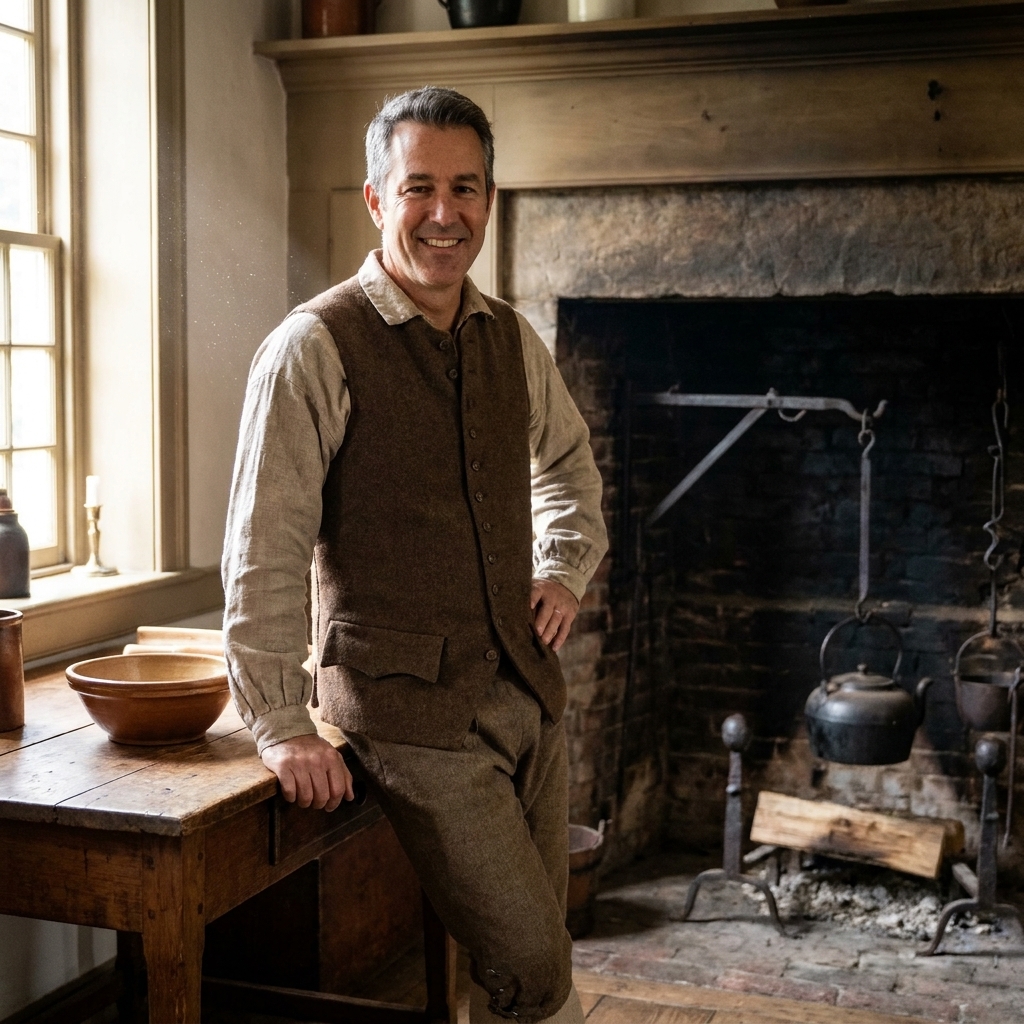
The first time I really felt the Revolution in my bones was not on a battlefield. It was in a cramped kitchen where the hearth heat pushed into the room like a living thing. The guide was talking about troop movements, sure, but my eyes kept landing on the everyday equipment: the iron pot hooks, the soot-stained cranes, the rough-hewn table that doubled as prep space, laundry station, and school desk. If you want to understand what the American Revolution demanded of ordinary people, you cannot stop at muskets and maps. You have to walk through the rooms where women made the war survivable.
Historic homesteads and preserved 18th-century houses are the closest thing we have to time travel. They let you measure the Revolution in loaves baked, shirts mended, candles dipped, and children fed when money was tight and men were absent. Here is how I explore these places with colonial women in mind, and how you can too.
What houses show
Battlefields teach you decisions made in minutes. Houses teach you decisions made all day long. When you tour a homestead, you are seeing the infrastructure of daily life, and for most households that meant women’s labor, management, and expertise.
- Time and stamina: how many steps it took to haul water, tend fires, and keep meals coming.
- Risk: fire, infection, food spoilage, childbirth, and winter shortages were constant threats.
- Skill: spinning, sewing, dairying, gardening, preserving, and home medicine were learned crafts, not hobbies.
- Social expectations: religion, reputation, and community judgment shaped everything from clothing to courtship to speech.
If you are building a trip around this kind of experience, start with my broader Colonial Life guide, then use homesteads as your anchor stops between the big-name Revolutionary sites.
How I tour with women in mind
Most house tours follow a familiar path: parlor, dining room, bedchambers, then maybe a kitchen or outbuildings if you are lucky. To get beyond the “fancy room” story, I use a simple mental checklist that turns the tour into something more honest.
1) Start with the kitchen
The kitchen is the best place to decode the household economy. Ask where food was prepared year-round, not just where it looks nice today. In some regions and in some households, there were separate summer kitchens to keep heat down and reduce fire risk. When you are standing in front of a hearth, look for:
- The crane and pot hooks: adjustable cooking height, a small engineering system built into the fireplace.
- Ovens and bake kettles: bread was labor, planning, and fuel management.
- Work surfaces: wide tables, scrubbed boards, and corners that show how cramped prep could be.
- Storage: crocks, pantry shelves, root cellars, and evidence of keeping food safe without refrigeration.
If the site offers cooking interpretation, it pairs beautifully with a deeper dive into domestic spaces like I cover in Hearth and Home: Colonial Cooking Museums.
2) Follow the water
Before you admire a quilt or a silver teapot, find out where the water came from. A well, springhouse, or nearby stream meant daily hauling. Water was needed for cooking, laundry, cleaning, tending animals, and basic hygiene, and in some households, brewing small beer. On many properties, the walk from house to water source tells you more than the most polished parlor ever could.
3) Ask about laundry day
Laundry was not a casual chore. It could be a full production involving heating water, making or buying soap, and hauling and wringing heavy wet cloth. Then you still had to get it dry when the weather refused to cooperate. If you see a yard, a kitchen hearth, or an outbuilding, you are looking at a laundry system. Ask guides where washing happened, and what fuel and time it required.
4) Spot the work rooms
Interpretation often emphasizes public rooms, but women’s work lived everywhere. Keep an eye out for spinning wheels, sewing tools, candle molds, soap-making equipment, and evidence of textile production. Even when artifacts are reproductions, the layout matters: where would you sit for hours? Where is the best light? Where could you keep children close while your hands stayed busy?
What kind of place to seek out
If you want the strongest window into women’s lives, pay attention to the programming as much as the architecture. I have had the best conversations at places that treat the house as a working system, not a furniture showroom. These are the kinds of sites I look for:
- Living history museums where staff demonstrate open-hearth cooking, textile work, or food preservation.
- Working farms and trade sites that interpret dairying, gardening, spinning, weaving, and seasonal labor.
- Urban house museums that talk frankly about servants, apprentices, rented rooms, and household budgets.
- Frontier cabins and small homesteads where space constraints make domestic logistics obvious fast.
A quick tell is whether a tour includes kitchens, yards, and outbuildings, and whether interpreters can speak to who did the work, how long it took, and what happened when money, fuel, or labor ran short.
Five spaces to slow down in
These are the spots I linger in, even when the tour is moving fast. Each one answers a different question about home production and caregiving.
The bedchamber
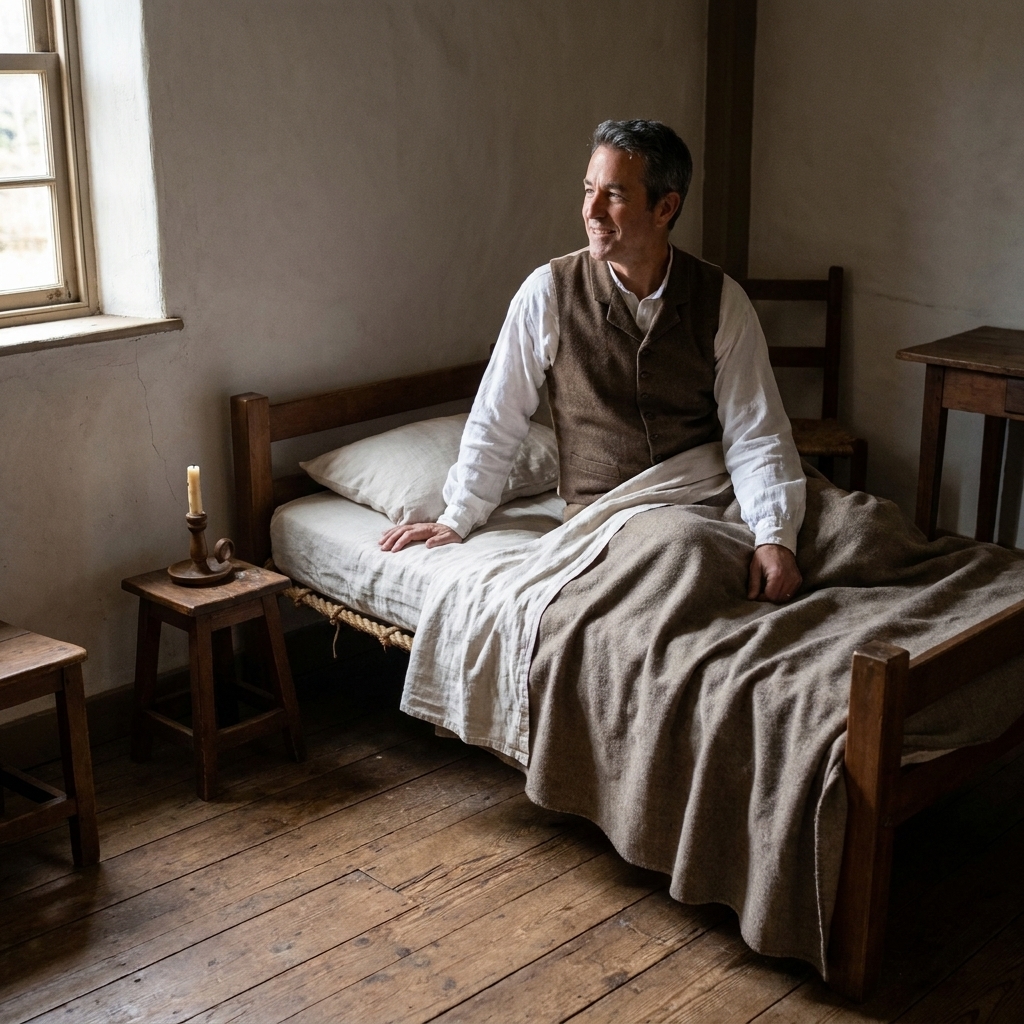
Bedchambers were not only for sleeping. In many households they were places for sickness care, recovery, and childbirth, and the kind of privacy that was rare in crowded homes. Ask what sleeping arrangements were typical. Multiple children to a bed, trundle beds, and shared rooms were common realities that shaped everything from rest to disease spread.
The hearth and bake area
Think of the hearth as the household’s engine. It provided heat, light, cooking power, and sometimes a place to do small tasks in winter simply because it was the warmest spot. If the interpreter mentions how early the fire had to be started, pay attention. In many homes, the day did not really get moving until the hearth was ready.
The garden and kitchen yard
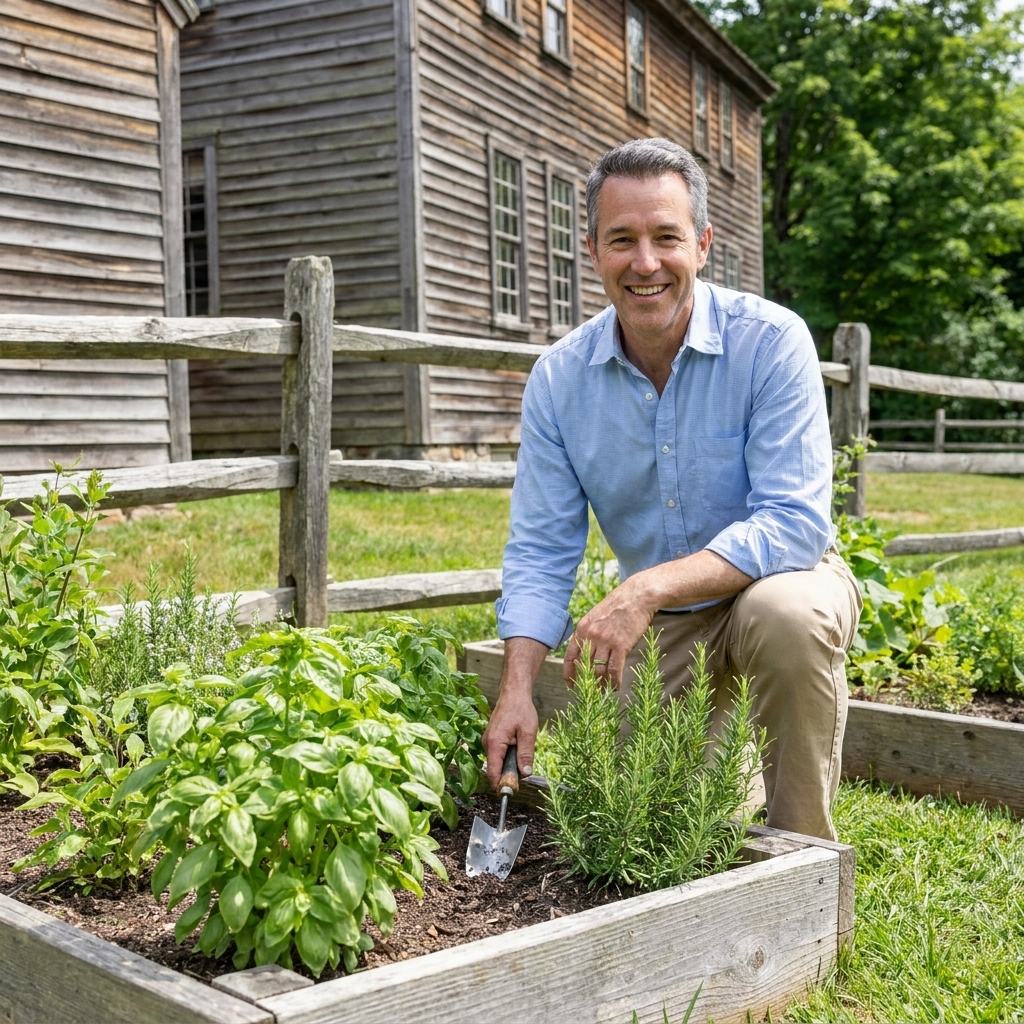
Even small gardens mattered. They were food security. Look for herbs, medicinal plants, and practical crops rather than purely decorative beds. If the site has an interpreter who talks about preserving, pickling, or drying, you are in the right place. This is where “daily life” meets survival planning.
The dairy and food storage
If a property has a springhouse, cellar, or dairy setup, it is a window into constant, skilled work. Butter and cheese making were time-sensitive and required clean tools, controlled temperatures, and experience. Even in households without cows, dairy products were part of the economy and diet, purchased, traded, or produced locally.
The outbuildings
Do not skip the outbuildings, especially if the “main house” is grand. Smokehouses, kitchens, laundries, workshops, and privies tell you where labor happened, who did it, and how the household organized space. They also open the door to a harder but necessary discussion: many households relied on enslaved or indentured labor, and women’s experiences differed dramatically depending on freedom, wealth, and status.
Questions I ask guides
Guides love good questions, and the right ones steer the conversation toward women’s experiences without forcing anyone into speculation. Here are my go-to prompts:
- “What would a typical day look like for the woman running this household?”
- “Where did the water come from, and who carried it?”
- “How did they keep food safe in summer?”
- “What work changed when the men were away at war or on campaign?”
- “Were there hired hands, enslaved people, or indentured servants here?”
- “What would winter have been like in this house?”
- “What items here would have been made at home versus purchased?”
If you are traveling with kids, these questions can turn into a scavenger hunt: find the water source, count fireplaces, locate a storage area, spot a spinning wheel or sewing setup. For more ideas, see my tips for visiting Revolutionary War sites with kids and borrow the same curiosity-based approach for homesteads.
Context matters
“Colonial women” is not one story. A preserved home often represents a particular slice of society, and your experience will be richer if you keep three variables in mind.
Class and wealth
A well-furnished parlor can be mesmerizing, but wealth can hide labor. In affluent households, women still managed complex domestic systems, but much of the physical work may have been done by servants or enslaved people. In middling or poor households, the work was direct, relentless, and hands-on.
Region and climate
New England winters, Mid-Atlantic mud seasons, and Southern heat shaped daily tasks, clothing choices, and household design. A detached kitchen makes different sense in Virginia than it does in Massachusetts. Architectural clues are domestic clues, and I love pairing a house visit with a little architectural context like I share in Saltboxes to Georgians: Spotting Colonial Architecture.
Enslavement and forced labor
Many Revolutionary-era homesteads were sustained by enslaved labor. If a site interprets this directly, give that part of the tour your full attention. It is essential history, and it clarifies how dramatically household life varied depending on whether a woman was free, indentured, or enslaved.
A quick plan for your next visit
If you only have a couple of hours, this is the loop I use to keep the visit grounded in household logistics instead of drifting into only dates and famous names.
- Do one slow pass through the kitchen and yard to understand heat, water, and food.
- Walk the distance from house to well, garden, and any outbuildings to feel the daily mileage.
- Choose one domestic skill to focus on, like textiles, food preservation, or home medicine, and ask a question about it in every room.
- End in the bedchambers to bring the story back to human vulnerability: sleep, sickness, childbirth, and care.
If you are stitching a larger itinerary together, my general trip-planning approach is laid out in Plan a Revolutionary War Site Visit. Homesteads fit beautifully between major battlefields because they answer the question that battle maps cannot: how did people keep living?
The Revolution at home
When I leave a homestead after a good tour, I usually think less about declarations and more about logistics. Who baked when flour was scarce? Who made soap when cash ran out? Who kept children calm when cannons were rumored down the road? In preserved homes, the Revolution stops being an abstract national story and becomes what it really was for most families: a daily grind handled by women who rarely got monuments, but kept everything moving anyway.
If you want to zoom out from the household and connect these domestic worlds to specific women’s stories, you might enjoy 7 Legendary Women of the Revolutionary War and Where to Uncover Their Stories. Then come back to the kitchens, yards, and work rooms, because that is where the era becomes real.