

The first time I climbed Kings Mountain, I understood something that maps never quite capture. This is not a battlefield you “see” from a distance. You feel it in your calves. The ridge rises sharply, the woods close in, and the ground folds in a way that makes every yard matter. It is the kind of terrain where smoke hangs low, voices get lost, and a man with a good tree for cover can feel ten feet tall.
On October 7, 1780, that rough ground helped a force of American frontier militia, the Overmountain Men and their neighbors, defeat a Loyalist force led by Major Patrick Ferguson. The victory at Kings Mountain did not end the Southern Campaign, but it changed its direction. If you want to understand why, the best way is to walk the ridge at Kings Mountain National Military Park and let the landscape tell you what the textbooks summarize.
Why Kings Mountain mattered
By the fall of 1780, the war in the South looked grim for the Patriot cause. Charleston had fallen. Camden had been a disaster. British strategy leaned hard on recruiting Loyalist support and using Loyalist militia to hold the backcountry while British regulars pushed north.
Major Patrick Ferguson was central to that plan. He was a capable officer and an aggressive organizer, tasked with screening Cornwallis’s western flank and rallying Loyalist units in the Carolinas. In the weeks before Kings Mountain, Ferguson reportedly issued a warning to the frontier settlers west of the Appalachians, threatening to cross the mountains and bring the war to their homes if they did not stop resisting.
Instead of backing down, militia leaders in what are now parts of Tennessee, Virginia, and North Carolina mobilized quickly. They gathered, marched fast, and hunted Ferguson down before he could slip away into stronger British-held territory. Their win at Kings Mountain did three important things:
- It erased a key Loyalist field force at a moment when British control in the backcountry was still fragile.
- It jolted morale after months of bad news and proved Patriot militia could win decisively under the right conditions.
- It forced a rethink in the British advance, with Cornwallis pulling back to regroup after the loss, which bought time for the Patriot recovery under leaders like Nathanael Greene.
When you stand on the ridge today, it is easy to see why this fight unfolded the way it did. Ferguson chose high ground. The mountain looks like a natural fort. The surprise is how that “fort” can be climbed from multiple sides, and how trees turn a steep slope into a patchwork of cover.
The Overmountain Men, in plain terms
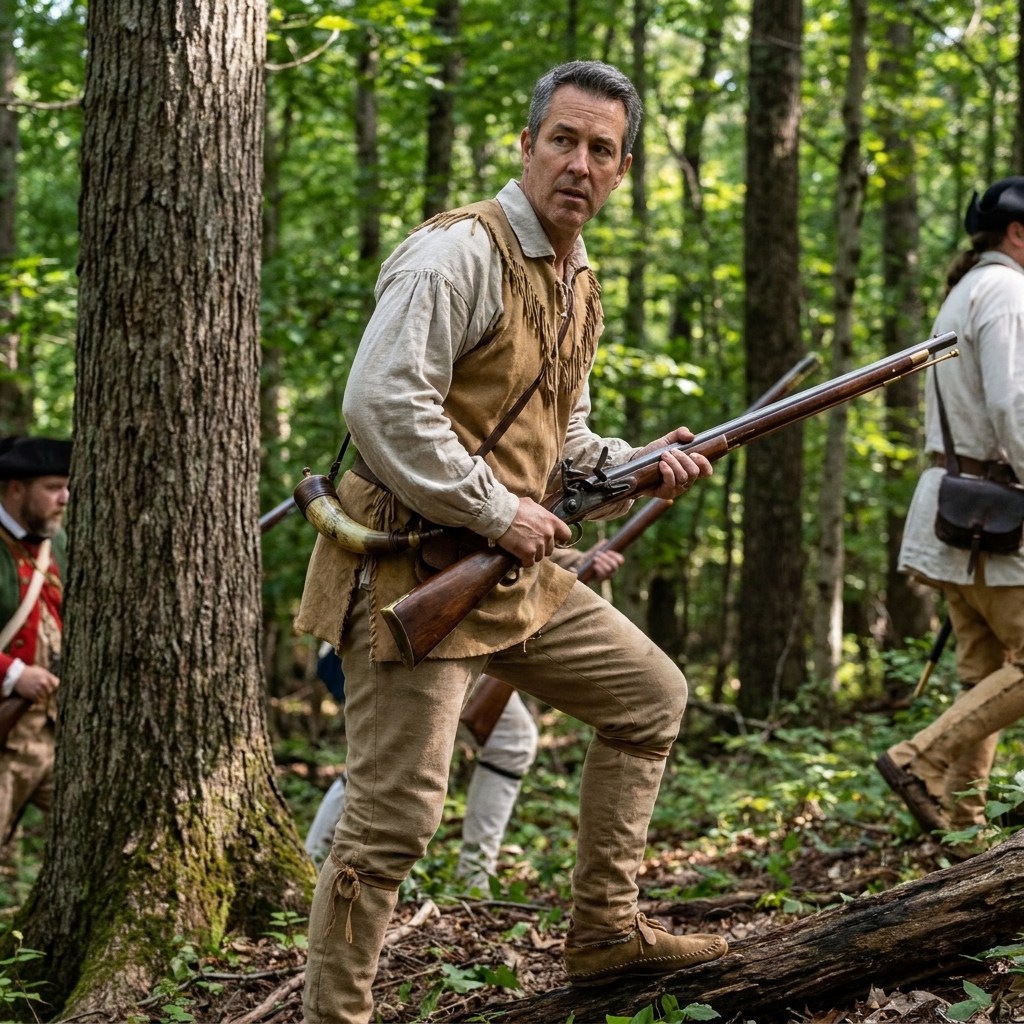
“Overmountain Men” is a convenient label, but it helps to keep the image grounded. These were not Continental Army regulars in a neat line. They were frontier militia from settlements beyond the Blue Ridge and Appalachians, mixed with other militia companies from the Piedmont and backcountry. Many brought their own rifles or muskets, traveled light, and moved with a speed that surprised British planners.
They also came with local stakes. The war in the backcountry was personal, tangled in neighbor-against-neighbor violence, property seizures, and retaliatory raids. Ferguson’s threat landed on communities that had already been living close to the edge.
How the battle unfolded
Kings Mountain is often described as a “battle of militia versus militia,” and that is mostly true. Ferguson was a British major, and there were Provincial leaders in his command, but the rank and file on the ridge were overwhelmingly Loyalist militia. The Patriot attackers were militia as well, approaching in several columns and essentially wrapping around the mountain.
The terrain did the steering
The Patriots climbed through woods and boulders, using trees for cover. Uphill fighting is brutal, but it also breaks up formations. The result was not a single clean front. It was a ring of pressure that tightened as more attackers reached firing positions.
Ferguson’s bayonet charges
Ferguson tried repeatedly to drive attackers downhill with bayonet charges. It worked in short bursts, especially against riflemen who lacked bayonets. But the ridge was crowded with angles and dead ground. When one group fell back, another group on a different face of the mountain could keep firing. Each charge spent energy and gained only temporary space.
A short, violent finish
As the ring closed, Loyalist resistance collapsed. Ferguson was killed while trying to break out. Afterward came one of the hardest parts of Kings Mountain to talk about: in the bitter minutes immediately following the surrender, some Patriots, furious over earlier backcountry atrocities, continued firing. Officers and senior leaders worked to stop it, and the killing ended, but the episode is part of the battlefield’s story and part of why the Southern backcountry war can feel so raw even today.
Hiking the park
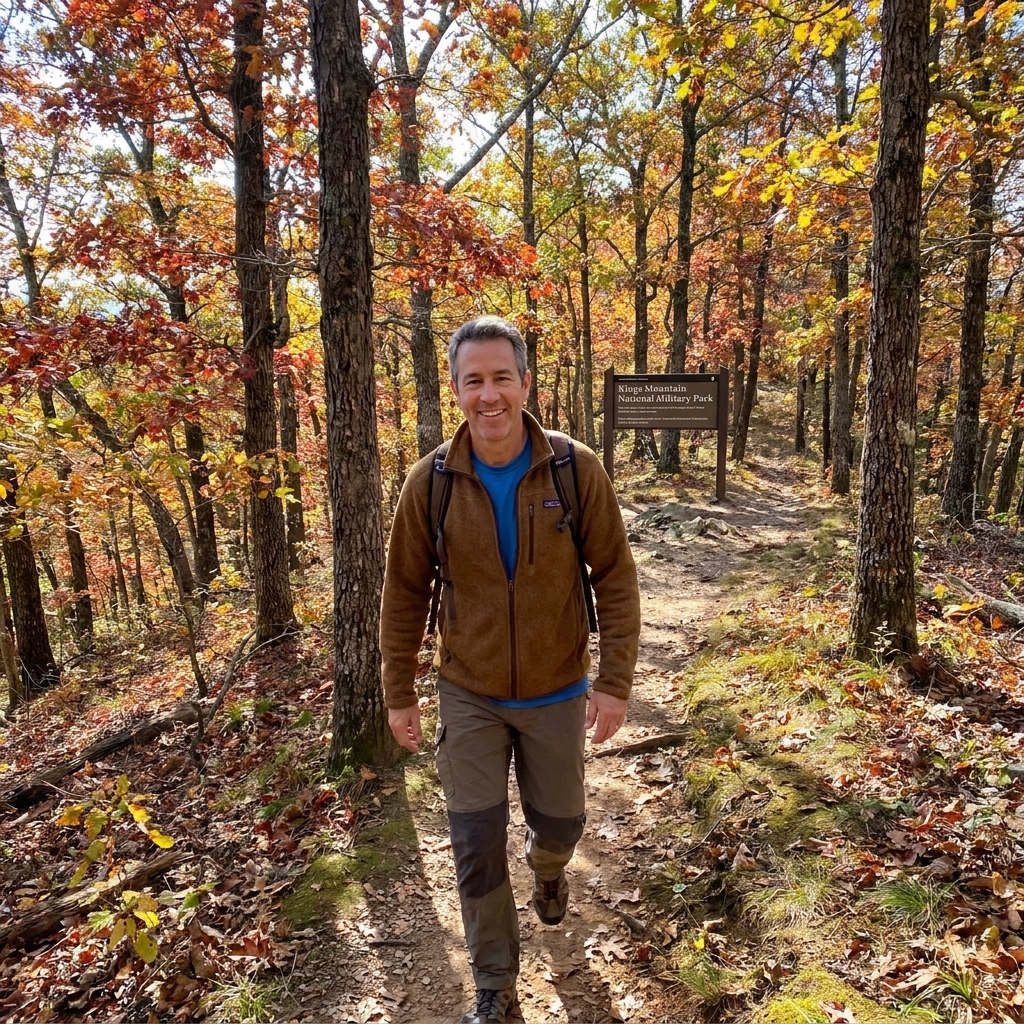
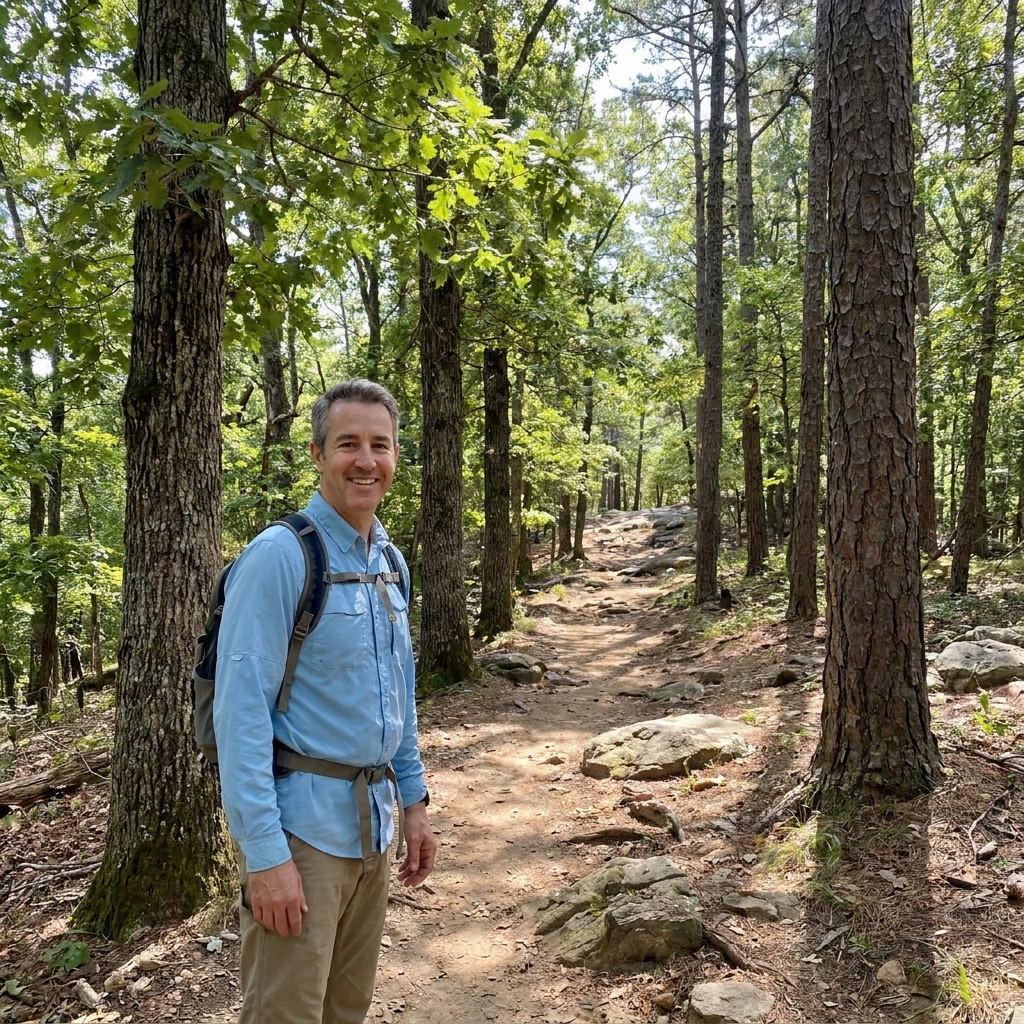
If you only do one thing here, do the battlefield trail. It is the quickest way to connect the story to the ground. The loop is not long, but do not underestimate it. The climb and uneven footing can surprise people who expected a flat stroll. If you want specifics like distance and typical hiking time, check the visitor center information when you arrive since park details can change.
What the trail feels like
- Terrain: Steep in spots with roots, rocks, and a steady up-and-down rhythm.
- Shade: Mostly wooded, which helps in warm weather but can hide slippery leaves in fall.
- Pacing: Take it slow. The best visits are the ones where you stop often and look through the trees the way a fighter would have.
How to read the battlefield
I like to hike Kings Mountain with three questions in mind. You do not need to be a tactics expert. Just keep asking:
- Where could you move unseen? Notice how the woods break lines of sight.
- Where could you stand and fire safely? Trees, rocks, and the contour of the slope matter.
- Where would a charge run out of steam? Look at the steepest faces and imagine sprinting uphill in gear.
For general trip-planning advice that applies to sites like this, I keep a running set of tips over on Plan a Revolutionary War site visit.
Don’t miss these spots
The ridge crest
Up top, the battlefield makes its strongest argument. The ridge is not a flat parade ground. It is an irregular spine, which helps explain why the fighting became a tightening ring instead of a clean push from one direction.
Monuments and markers
Kings Mountain has memorials and battlefield markers that help you keep your bearings. I always recommend reading them slowly, then stepping a few paces off to the side and looking outward. That small move often reveals why a position mattered.
The visitor center area
If you start at the visitor center, you can get your narrative straight before you climb. Even a quick stop can help you place Ferguson, the Loyalist line, and the multiple Patriot approaches in your mind.
If you enjoy connecting people to places, you might also like browsing the way I organize biographies and context in our People guide and broader conflict background in our Battles guide.
Practical tips
When to go
- Fall: My favorite. Cooler hiking weather and a landscape that feels similar to early October conditions, even if the leaves are a little more dramatic now.
- Summer: Expect humidity. Start early and bring water.
- After rain: Watch for slick leaves, mud, and roots on shaded slopes.
What to bring
- Comfortable walking shoes with decent grip
- Water, even if the loop seems short
- Bug spray in warm months
- A small notebook if you like jotting down unit names or questions to look up later
Visiting with kids
Kings Mountain can be a terrific family stop if you frame it right. I like to make it a “choose your own commander” hike: at each rise, ask kids where they would move next and why. The woods make it feel like a real chase instead of a distant lecture.
The backcountry war
It is tempting to treat Kings Mountain like a clean, uplifting turning point. It was a turning point, but it was not clean. The Southern backcountry war mixed militia politics, local feuds, and cycles of retaliation. That is part of what makes Kings Mountain so important to visit in person. It reminds you the Revolution was not fought only in famous seaports and big set-piece battles. It was fought on ridges like this, where neighbors sometimes knew each other’s names.
If Kings Mountain sends you down a rabbit hole, you are in good company. I started as a kid in Pennsylvania chasing historical markers, and I still find that one battlefield visit raises ten new questions. If you want to dig into other places where the landscape does heavy storytelling, browse our Historic Sites guide.
Quick FAQ
Who won the Battle of Kings Mountain?
The Patriot militia forces won decisively, surrounding and overwhelming Major Patrick Ferguson’s Loyalist force on October 7, 1780.
Was Kings Mountain Patriot vs British regulars?
Mostly not. It was primarily militia versus militia. Ferguson was a British officer, but most of the men fighting on the ridge were Loyalist militia.
How long did the battle last?
Accounts vary, but it is commonly described as roughly an hour of intense fighting, concentrated on the ridge.
Is the battlefield hike difficult?
It is manageable for most visitors, but it is rugged in spots with real elevation change. Good footwear and a steady pace make all the difference.