

I grew up in Pennsylvania, the kind of kid who could spend an entire Saturday chasing a single historical marker down a back road. Decades later, after 150-plus Revolutionary War site visits and more than a few wrong turns with antique maps on my passenger seat, I have learned something simple: the Revolution looks different when you go looking for the women.
You will not always find a grand statue on a courthouse lawn. Sometimes the story is tucked into a small museum room, a modest home site, a churchyard, or a battlefield footpath. This guide focuses on seven legendary women and, just as importantly, the real places where you can stand close enough to feel the human scale of what they did.
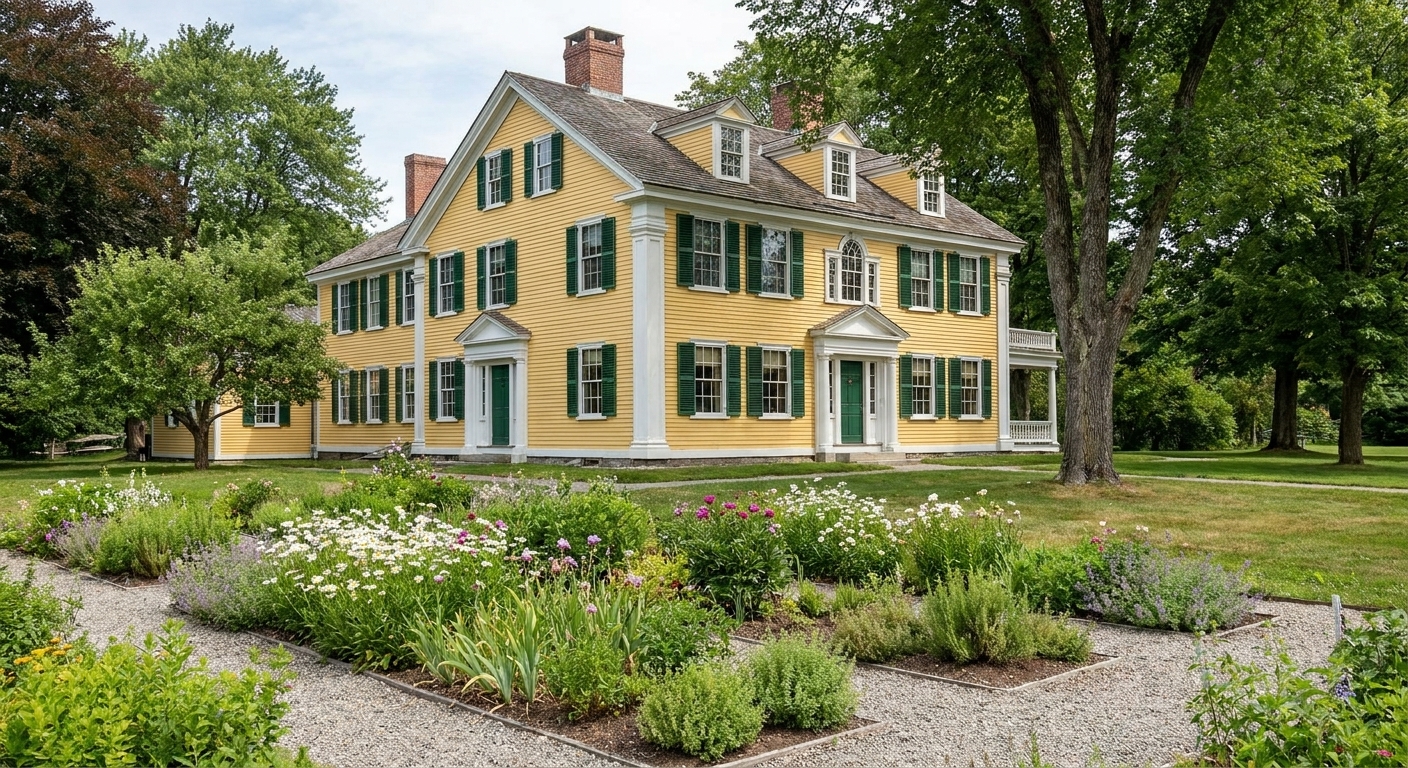
1) Sybil Ludington
Why she matters: Sybil Ludington is often described as a teenage rider who warned neighbors that British forces were moving through the Putnam County and Hudson Valley region. Whether you embrace every detail of the legend or you approach it with a historian’s caution, the Ludington story points to a real truth about the war: communication, fear, and fast decision-making mattered. Ordinary families were pulled into extraordinary nights.
It is also worth saying plainly: tradition around her ride is strong, but documentation is thin. Key details like the exact date, route, distance, and even the full scope of the warnings are disputed. There is no known contemporary primary-source record that confirms the ride exactly as it is popularly told.
Where to uncover her story
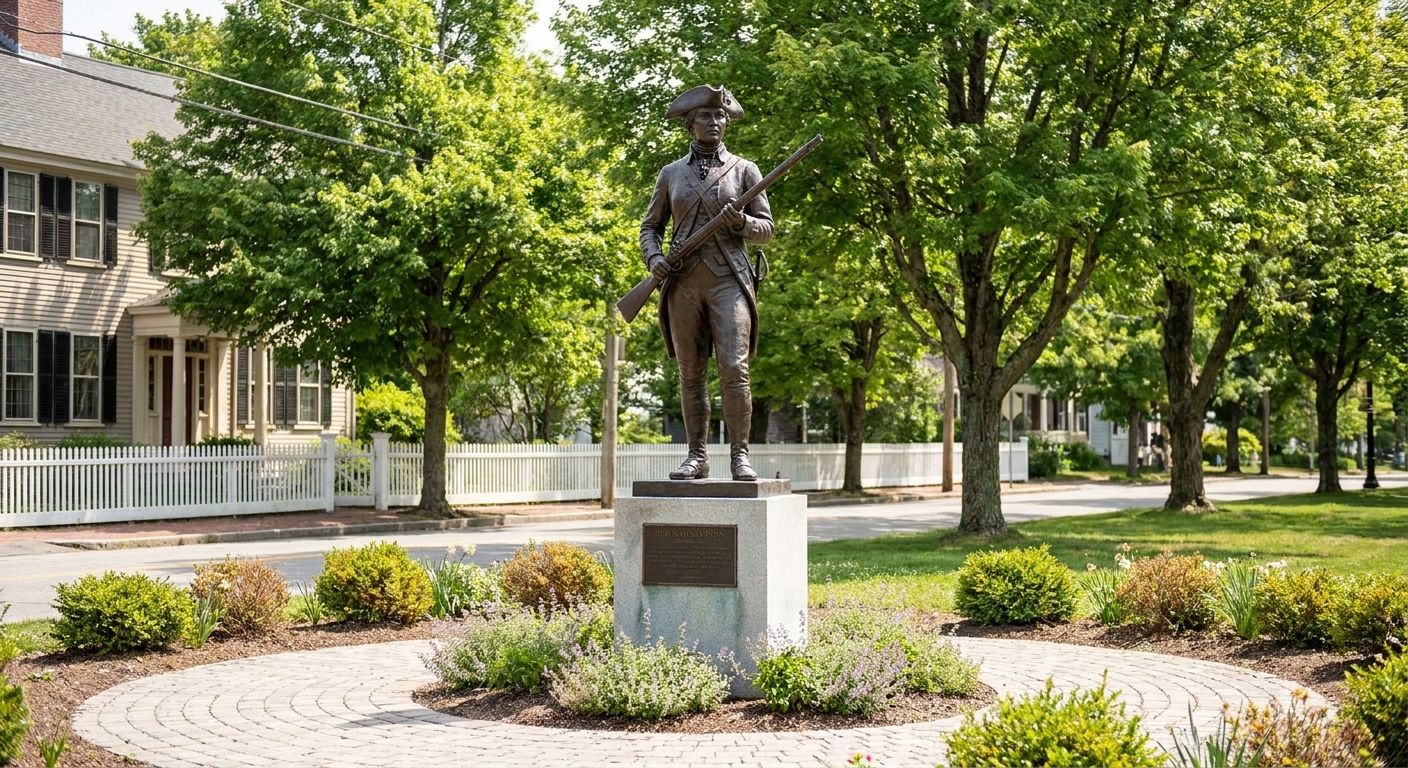
- Sybil Ludington statue (Carmel, New York) is a practical, visitable anchor for understanding how her story entered public memory. Read the plaque closely, then ask yourself who commissioned it, and when. That context is part of the story too.
- Putnam County area history stops are where the landscape starts to make sense. If you are in the region anyway, look for local museums and historical societies that can help you translate the legend into roads, ridges, and realistic travel time.
How I like to visit
Download offline maps or screenshot the key turns before you arrive. This is a landscape story. The quickest way to understand it is to see how hilly, dark, and spread out everything still is once you leave the main highways.
2) Mary Ludwig Hays, “Molly Pitcher”
Why she matters: “Molly Pitcher” is part nickname, part myth, part memory of multiple women who carried water, tended the wounded, and kept armies functioning on the hottest, hardest days. Mary Ludwig Hays is the name most often attached to the famous Monmouth story, and visiting the right places helps you separate what is documented from what is cherished tradition.
The safest way to frame it on the ground is this: camp-following and water-carrying are well attested in the era, while the specific cannon-crew moment at Monmouth comes to us through later accounts and tradition. Stories and some evidence suggest something dramatic happened, but the popular version is more certain than the surviving record.
Where to uncover her story
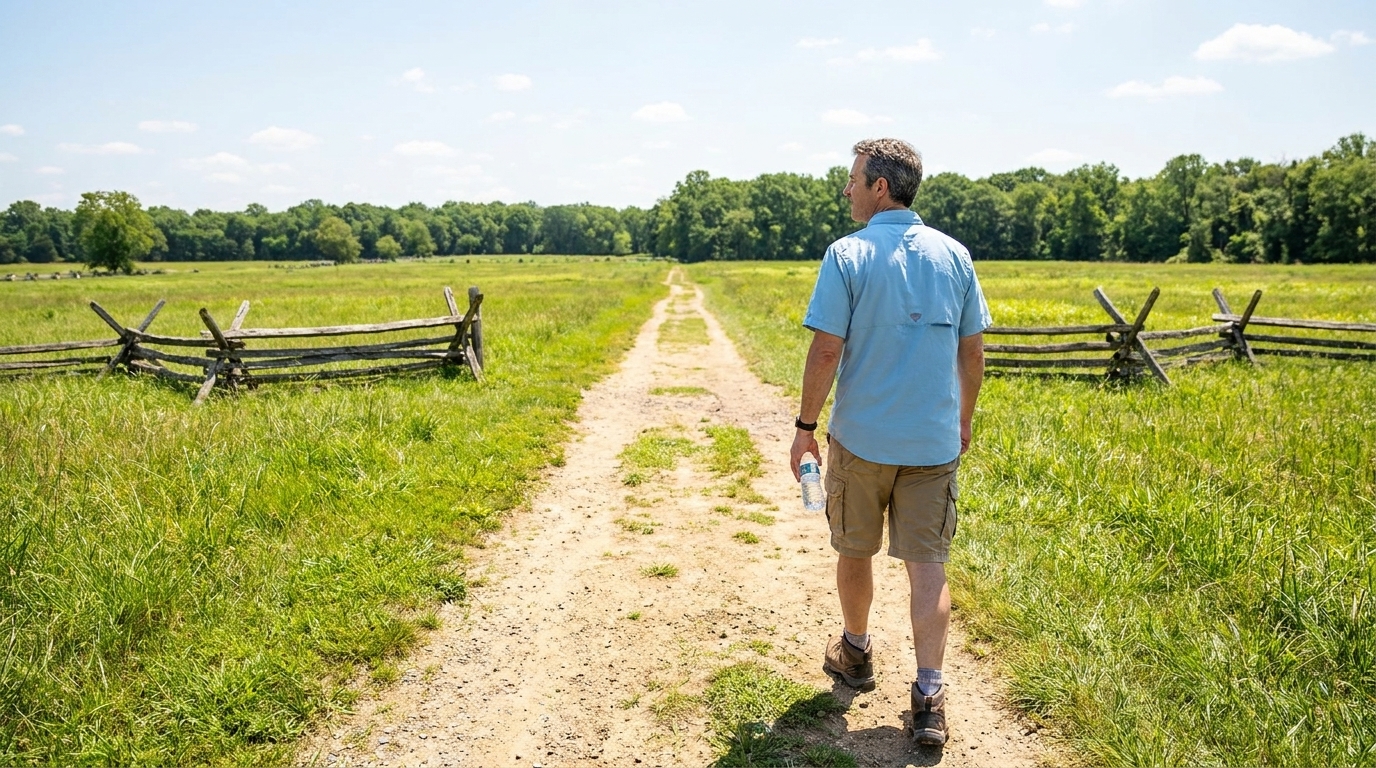
- Monmouth Battlefield State Park (New Jersey) is the essential place to start. The heat, the distances, and the open ground are not abstract when you are walking it.
- Carlisle, Pennsylvania is a useful second stop for commemoration and local memory tied to Mary Ludwig Hays, including the way later generations claimed and shaped the “Molly Pitcher” identity. If you are already traveling through south-central Pennsylvania for Revolutionary War history, this detour fits naturally.
Helpful context for your visit
If you want to get more out of any battlefield visit, learn to read the landscape like an 18th-century map. I keep a primer on the site here: How to Read Revolutionary War Battlefield Maps On Site.
3) Abigail Adams
Why she matters: Abigail Adams did not ride with a musket, but she fought on paper, in ideas, and in endurance. Her letters are a front-row seat to the anxiety of wartime, the strain of shortages, and the political arguments that shaped a new nation. She also gives you something travel often fails to provide: a domestic vantage point that is every bit as historical as a battlefield.
Where to uncover her story
- Adams National Historical Park (Quincy, Massachusetts) is one of the best places in America to understand a Revolutionary era family over time. The Peacefield home and the surrounding Adams sites anchor Abigail’s world in real rooms and real distances from Boston.
- Pair it with Boston area Revolution stops if you want to connect private worries to public events. Quincy makes more sense when you feel how close and how far Boston could be, depending on the crisis.
How I like to visit
I always reread a few letters the night before. Then, when you are standing near the Adams homes, the words stop feeling like quotations and start feeling like a person speaking from a doorway.
For help linking Quincy and Boston into a smooth heritage day, see my planning guide: Plan a Revolutionary War Site Visit.
4) Mercy Otis Warren
Why she matters: Mercy Otis Warren is one of the Revolution’s sharpest political minds. She wrote plays and pamphlets that argued, mocked, and persuaded, then later produced an early major history of the Revolution, History of the Rise, Progress and Termination of the American Revolution. If you love the ideas side of the war, Mercy is your person.
Where to uncover her story
- Mercy Otis Warren House (Barnstable, Massachusetts) is the most direct, named place to start. Standing at a house site is not just a box-checking stop. It forces you to think about where writing happened, who was in the room, and how politics traveled along everyday roads.
- Plymouth County and South Shore history stops help you understand the Otis and Warren networks. This is where elite political conversation, local committees, and family alliances turned ideology into action.
What to look for on site
Ask guides about correspondence, period printing, and circulation. Warren’s influence makes more sense once you picture her words traveling hand to hand through towns that were, in the 1770s, effectively close by horseback.
5) Phillis Wheatley Peters
Why she matters: Phillis Wheatley Peters was an enslaved girl who became a published poet and a transatlantic literary figure. Her work forces visitors to confront the Revolution’s central contradiction: a fight for liberty taking place in a society that held human beings in bondage. Her life story is not a sidebar to the war. It is part of what the era was.
Where to uncover her story
- Old South Meeting House (Boston) is a concrete, easy-to-find anchor in the same city where Wheatley’s world took shape. Even when an exhibit is not specifically about her, it helps you hear the public language of liberty that surrounded her life, and to weigh it against what daily reality demanded of an enslaved Black family.
- Boston historic sites that interpret slavery and Black life are the best on-the-ground context for Wheatley’s world: the port city economy, households, churches, and the public sphere where a young Black writer could be celebrated and constrained at the same time.
How I frame this stop for families
With kids, I keep it direct: Phillis was brilliant, she was exploited, and her words mattered. Then we visit another Revolution site the same day so they can feel the full complexity of the era instead of a simplified story.
6) Deborah Sampson
Why she matters: Deborah Sampson disguised herself as a man and served in the Continental Army. Her story has all the drama of an adventure narrative, but the place-based lesson is more practical. The Continental Army was understaffed, underfed, and imperfectly administered enough that an extraordinary secret could hold long enough to enlist and serve for a period.
Where to uncover her story
- Sharon, Massachusetts, at the Deborah Sampson statue is a straightforward, named starting point for visitors. It is a reminder that her story is not just military, it is also about memory and recognition.
- Canton, Massachusetts, at the Deborah Sampson Gannett House site is another concrete anchor that helps you shift from “tale” to “place.” A home site puts the focus back on the long arc of her life, including the complicated reality of what service did and did not change afterward.
Pair it with living history
If you want to build a trip around living history events, I keep a planning resource here: Plan Your Trip Around Revolutionary War Reenactments.
7) Nancy Hart
Why she matters: Nancy Hart’s legend comes out of the backcountry war, where violence was intimate and loyalties could split a neighborhood. Stories about her are often told with a grin, then followed by a pause when you realize what life on the Patriot frontier required. Whether every detail is verifiable or not, Hart represents a real type of Revolutionary experience: women protecting homes in regions where the front line could be your front yard.
Where to uncover her story
- Nancy Hart story sites in northeast Georgia are the clearest travel anchor I recommend today, since park names and branding can change over time. Start by looking for local interpretation in the area around Hartwell and the Lake Hartwell region, where her story has long been rooted in public memory.
- Southern campaign battlefields help you place Hart’s story in the wider conflict that swept through the Carolinas and Georgia late in the war.
Build a Southern itinerary
Two of my favorite anchor stops for understanding the Southern turning points are The Battle of Cowpens and Battle of Kings Mountain. Even if Nancy Hart is not directly tied to those fields, walking them gives you the strategic pressure that shaped backcountry life.
Simple trip plans
If you only have a weekend, I recommend picking one region and going deep rather than trying to bounce across half the country. Here are three approaches that work well in real life.
Option A: Boston and South Shore
- Abigail Adams in Quincy
- Mercy Otis Warren House in Barnstable
- Phillis Wheatley Peters context in Boston
Option B: New Jersey and Pennsylvania
- Molly Pitcher traditions at Monmouth Battlefield
- Carlisle commemoration and context
Option C: Southern backcountry
- Nancy Hart story sites in northeast Georgia
- Use Cowpens and Kings Mountain as big-picture anchors
For more destination building blocks, start with my site hubs: Guide to Revolutionary War People and Guide to Historic Sites.
What to look for on site
- Primary-source quotes on exhibit panels. Letters, pension applications, church records, newspapers, and diaries are the quickest route from legend to lived experience.
- Landscape, not just artifacts. Ask yourself: Could someone actually travel this road at night? Could you see that ridge line from the house? How far is the nearest water source?
- Who built the monument and when. Commemoration has its own history. A 1900s statue tells you about the Revolution and about the era that chose to memorialize it.
- Local guides. The best docents love questions like “What do visitors usually miss?” and “What is one object here you never walk past?”
Other women to watch for
If this topic grabs you, keep an eye out for other names that often appear in local interpretation, including Margaret Corbin and Elizabeth Freeman. The deeper you travel, the more you realize the Revolution has room for far more than seven stories.
Related reading
- Following the Minutemen on the Lexington and Concord Battle Road
- Top 5 Revolutionary War Battlefields to Visit With Kids
- Saratoga vs. Yorktown: Which Turning Point Battlefield Should You Visit First?
If you want to send me a note about a great women’s history site I should add to my travel list, you can find me here: Contact.