


I grew up in Pennsylvania, the kind of place where you can stumble onto an unassuming historical marker behind a shopping center and realize you are standing on ground that once rang with musket fire. After decades of chasing down Revolutionary War sites, I have learned something that never stops surprising me: some of the war’s biggest strategic pivots came from fights that barely register in most textbooks.
These were not the set piece battles with grand visitor centers and endless bus parking. They were sharp, fast, local clashes: ambushes in wooded hollows, night attacks, bridge fights, and raids on supply lines. They also tend to be the most rewarding places to visit because you can still hear the landscape if you slow down.
Below are five skirmish sites that are often overlooked by travelers, but each one nudged the war in a new direction. I will also share what to look for when you visit, because skirmish sites rarely look like “battlefields” at first glance.
1) The Paoli Battlefield (Paoli Massacre), Pennsylvania
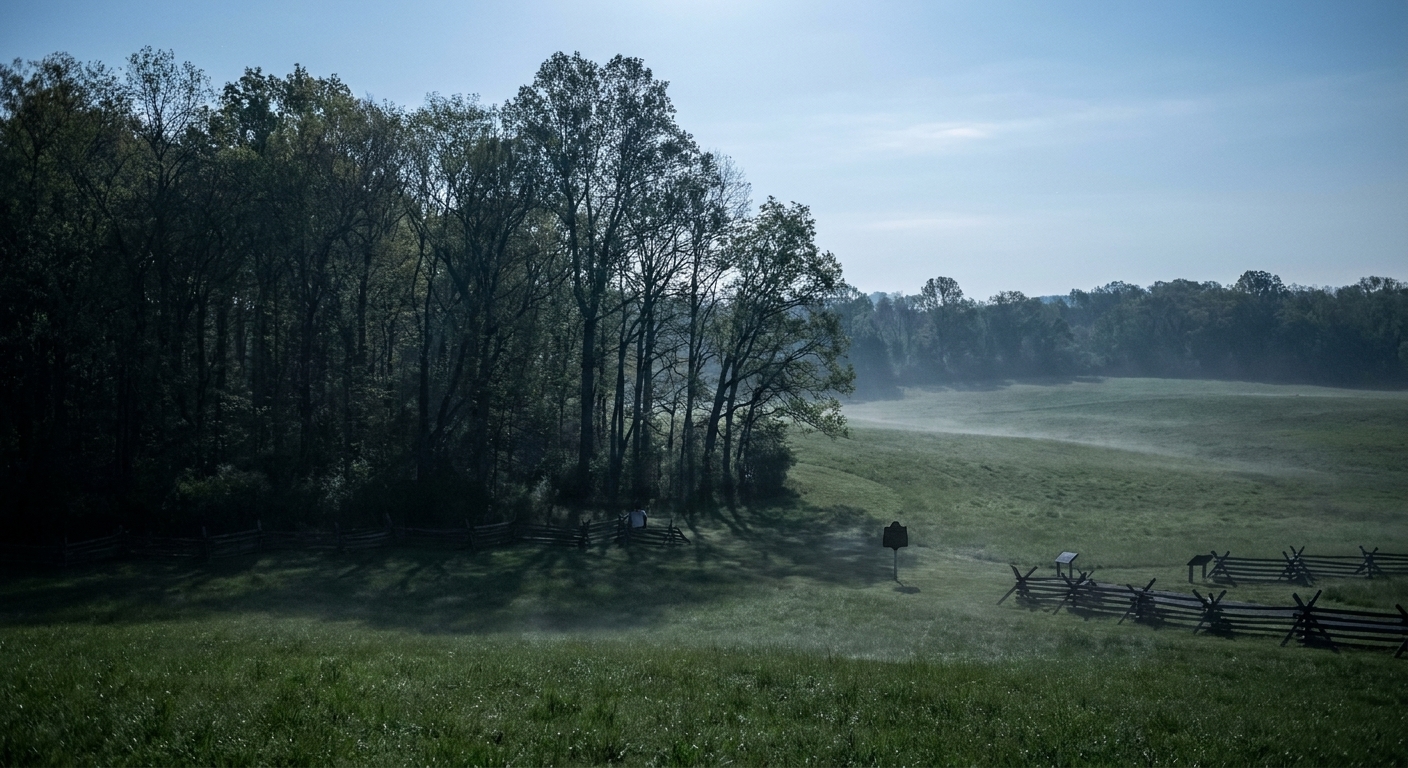
Why it mattered: In September 1777, during the Philadelphia Campaign, General Anthony Wayne’s division camped near the Paoli Tavern area. British forces under Major General Charles Grey struck at night with bayonets and strict orders to remove flints from muskets to keep the attack silent. The result became infamous in Patriot memory as the “Paoli Massacre.”
Militarily, the British did not wipe out the Continental Army. Washington kept maneuvering. But psychologically and politically, Paoli hit hard. It intensified Patriot outrage, stiffened resolve, and became a rallying cry that followed Wayne for years. If you want to understand how morale and propaganda traveled alongside armies, Paoli is a perfect stop.
What to look for on site
- Edges, not centers: The action happened in darkness and confusion. Focus on tree lines, slight rises, and the way fields funnel movement.
- Distance between features: Skirmish sites teach you scale. When you walk it, you feel how quickly an alarm could spread or fail to spread.
- Memorial language: Paoli’s commemoration tells you as much about the postwar story as the fight itself.
Pair it with: If you are building a Pennsylvania trip, start with the bigger campaign context and then come back to places like this that make the timeline feel human. My general trip planning approach is here: Plan a Revolutionary War site visit.
2) Hancock’s Bridge, New Jersey
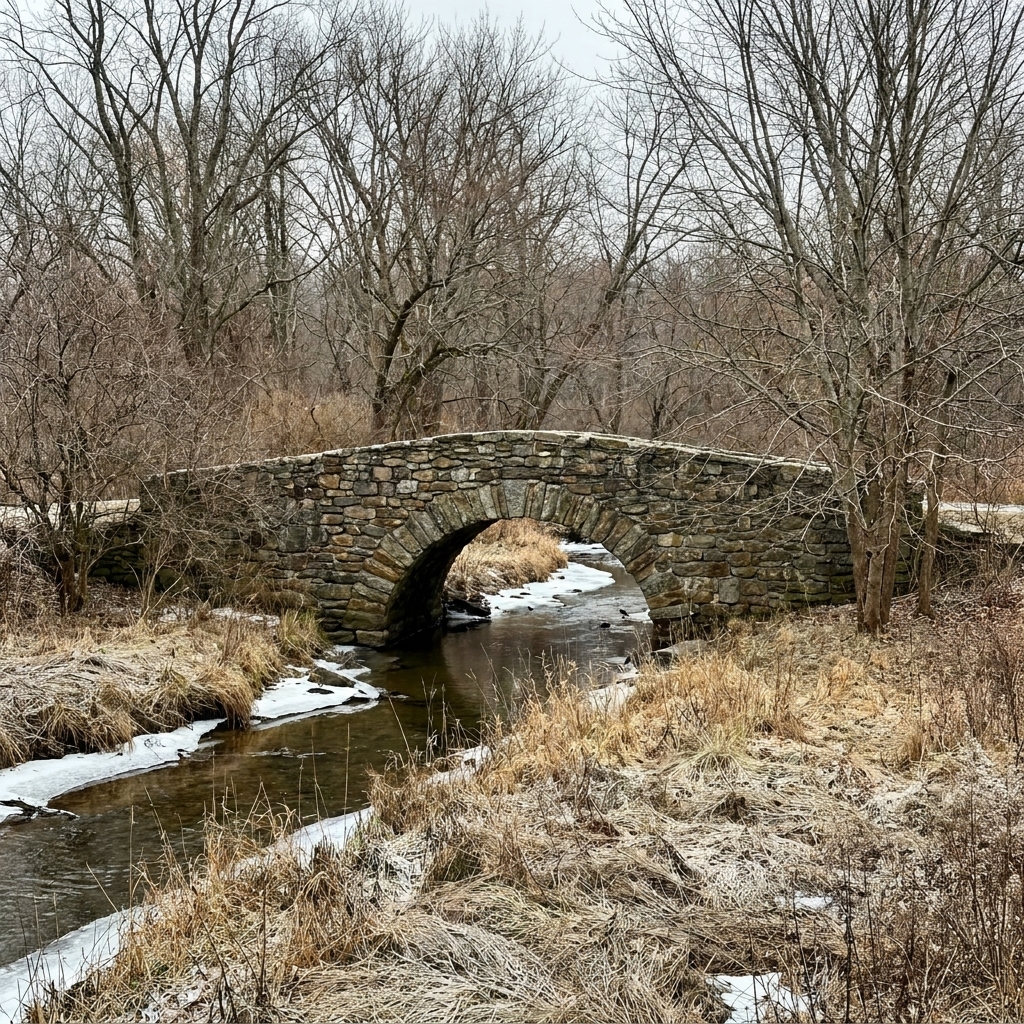
Why it mattered: Southern New Jersey is not usually the first place people think of when planning a Revolution road trip, which is exactly why Hancock’s Bridge belongs on this list. In March 1778, a Loyalist force associated with the New Jersey Volunteers carried out a dawn raid near Hancock’s Bridge and killed Patriot militia in a brutal surprise attack.
This was part of the war that rarely makes the glossy brochures: neighbor against neighbor, raids and counter raids, and violence meant to intimidate local communities into choosing a side or staying silent. The Revolution in New Jersey was not only about Trenton. It was also about contested farms, creek crossings, and the fear that came with a war fought close to home.
What to look for on site
- Water crossings as choke points: Bridges and fords dictate movement even today. Stand at the crossing and imagine a column trying to stay quiet before sunrise.
- How exposed a house would be: Many of these events centered on homes and small buildings, not lines of infantry in open fields.
- The “civil war” feeling: Read the interpretive signs carefully. The language often reflects how communities wrestled with Loyalist and Patriot identities.
If you are already doing New Jersey: You can frame the state’s story around Washington’s winter blows and British reactions. This pairs naturally with: Following Washington’s crossing: Trenton and Princeton.
3) Thomas Creek, Georgia (1777)
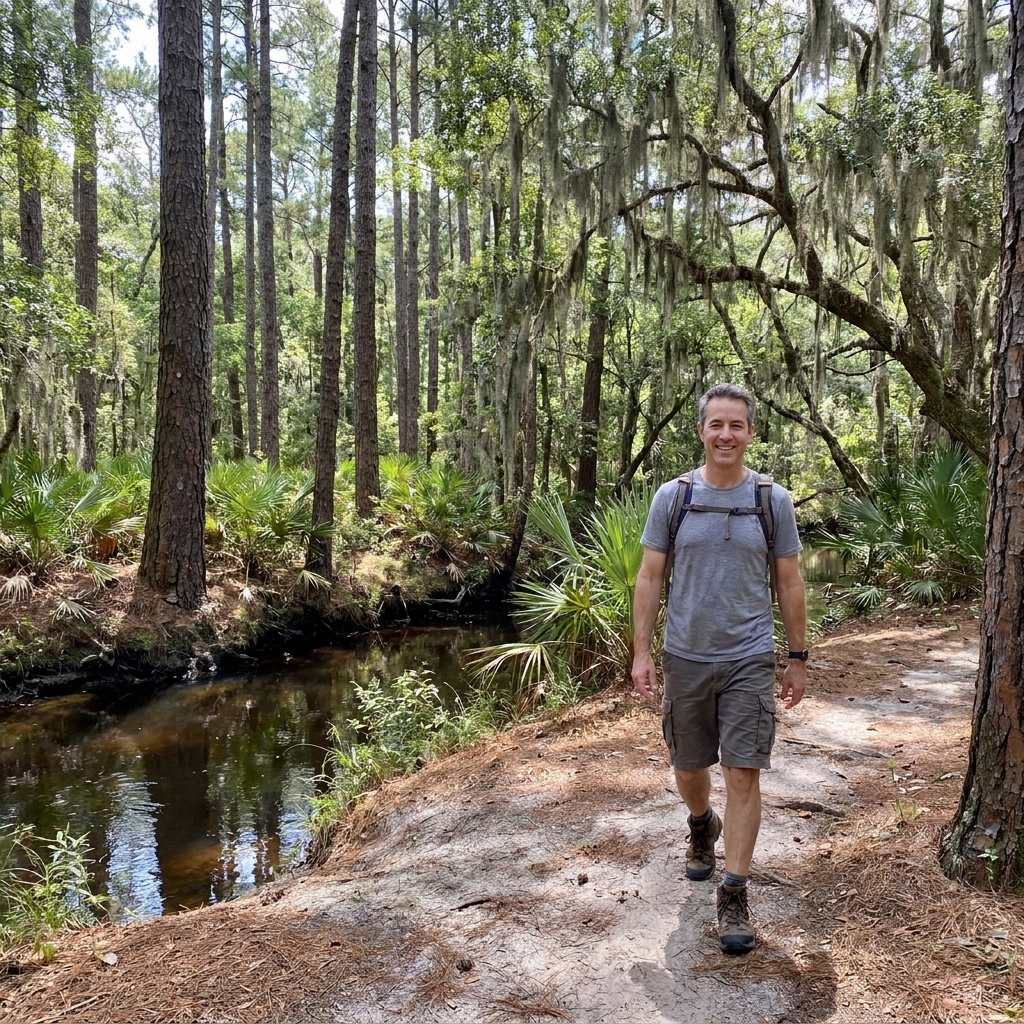
Why it mattered: The Revolution is often told north to south: Boston to New York to Philadelphia, then the Carolinas and Yorktown. Georgia tends to get treated like a late chapter. But in early 1777, fighting at Thomas Creek near the Florida border showed how early and how fiercely the southern frontier could flare.
Patriot forces, operating in difficult terrain and fragile supply conditions, clashed with Loyalists and British-aligned elements moving out of East Florida. The engagement did not decide the war overnight, but it shaped Georgia’s internal struggle and highlighted a strategic truth the British would lean into later: control the South by leveraging Loyalist pockets, frontier alliances, and coastal mobility.
If you want a site that expands your mental map of the war, Thomas Creek does it. It also reminds you that “small” actions on the margins could influence later campaigns by revealing where support was strong, where it was brittle, and how hard it was to hold remote ground.
What to look for on site
- Terrain that breaks formations: Creek bottoms, palmetto, sand, and scrub turn a European style battle line into scattered fights.
- Why frontier logistics matter: Ask yourself where food, powder, and reinforcements could realistically come from.
- The war beyond big names: Frontier actions were often led by local commanders whose decisions mattered enormously to local survival.
Helpful context: If you are building a southern itinerary, I like to anchor visitors with one or two major sites and then sprinkle in lesser known places that show how messy the countryside war became. For a strong South Carolina thread, start here: Tracking the Swamp Fox in South Carolina.
4) The Battle of Pound Ridge, New York (1779)
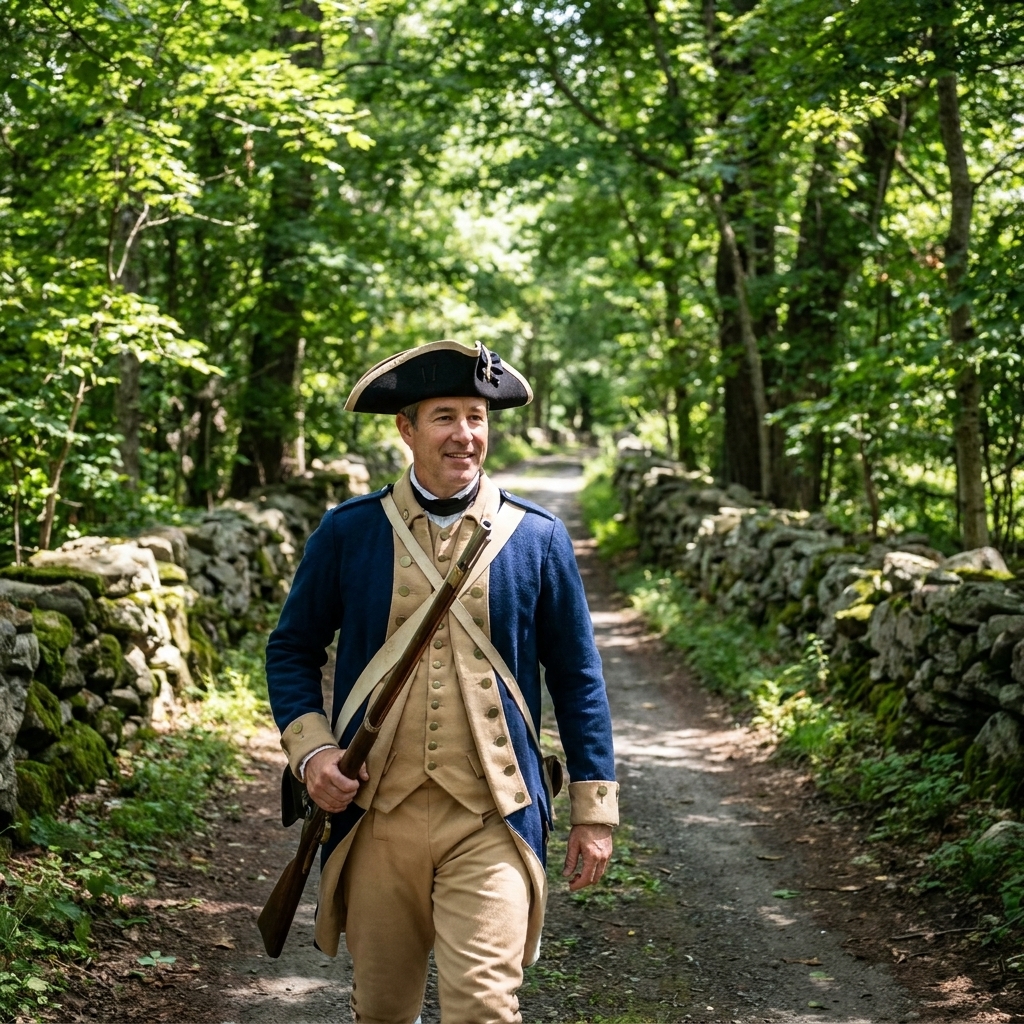
Why it mattered: The war around New York City was not one continuous “campaign” for most residents. It was years of raids, alarms, and sudden violence in the no man’s land between British held posts and Patriot controlled interior towns. Pound Ridge, fought in July 1779, captures that reality.
British forces under General William Tryon struck into Westchester County with the usual goals of coastal and border warfare: disrupt Patriot supplies, destroy military stores, punish privateering and militia support, and keep the countryside unstable. Patriot militia and Continentals fought back. Homes and barns were burned. People fled. The action did not take Manhattan, but it bled the region and forced constant defensive attention.
Strategically, this kind of raiding war pinned down manpower and attention. It also helped convince many Americans that the British war effort could look less like “liberation” and more like coercion, especially when property went up in flames.
What to look for on site
- Road networks: Raids follow roads. Trace the approaches and you will understand the timing of the fight.
- Stone walls: In New York and New England, stone walls are ready made fieldworks. Stand behind one and you will immediately get it.
- Modern quiet: These places can feel almost too peaceful. That contrast is part of the experience. Try visiting early in the morning.
For map reading: Skirmish sites come alive when you can translate an 18th century description into modern terrain. My field method is here: How to read Revolutionary War battlefield maps on site.
5) The Battle of Connecticut Farms (Union), New Jersey (1780)
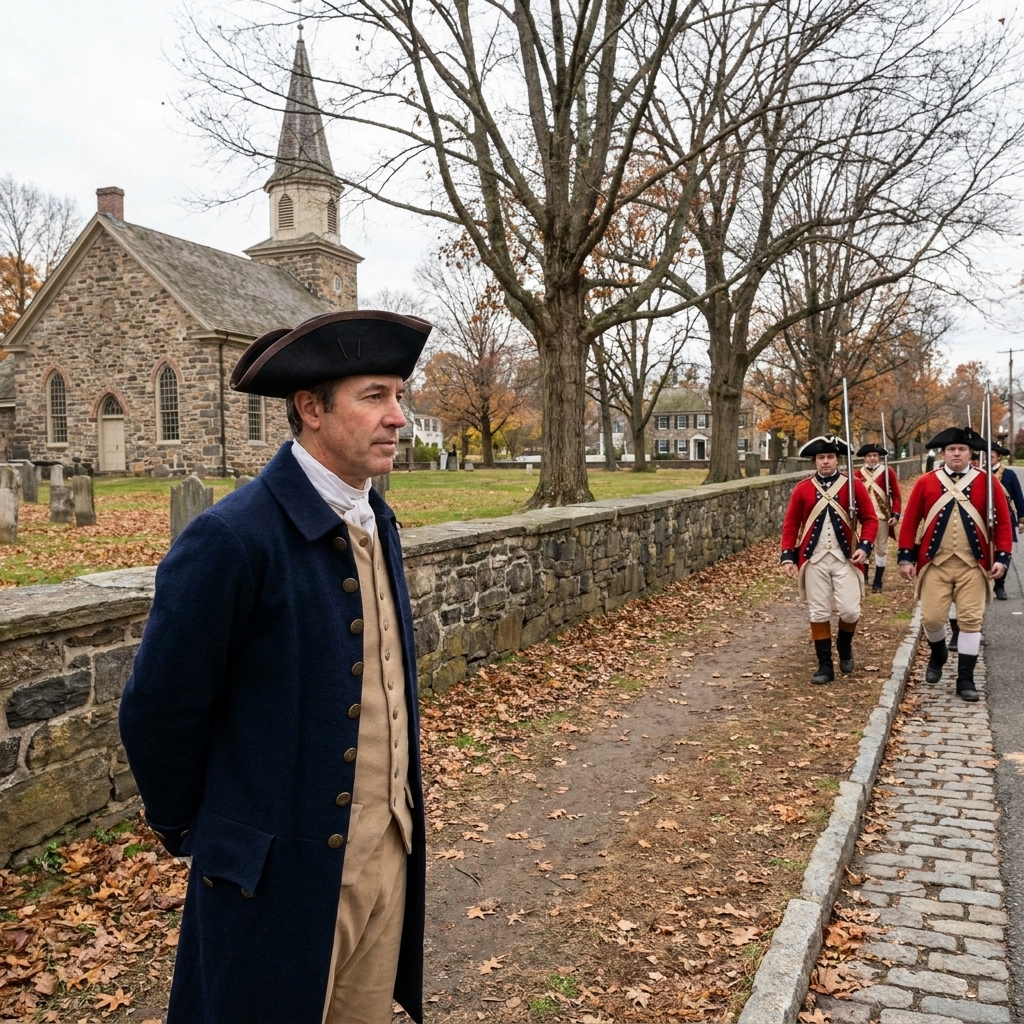
Why it mattered: In June 1780, the British launched an incursion into New Jersey that led to fighting at Connecticut Farms, now part of Union. It is easy to miss this event because it sits between larger story beats, but the timing is important. 1780 was a hard year for the Patriot cause, with money problems, war weariness, and deep anxieties about whether the Revolution could last.
The fighting at Connecticut Farms and the nearby battles that followed showed that New Jersey remained a contested corridor. The British could still strike out from New York, but holding and pacifying the countryside was another matter. For visitors, this is one of the clearest places to feel the “war of posts” and raids that defined so much of the middle states.
Just as importantly, local stories from this fight highlight the civilian cost, especially for people who lived along the roads armies used like highways. It is one thing to read about it. It is another to stand in a town setting and realize that the front line once ran right through the neighborhood.
What to look for on site
- Lines of advance: Look for long, straight road corridors. Those are where pressure builds and volleys erupt.
- Town scale: Skirmish sites in settled areas help you picture civilians watching from doorways, then running.
- Connections to nearby actions: Many “single day” fights are really chapters of a multi day push and pull.
Build the bigger picture: If you want to connect middle states raiding to major battles, it helps to compare turning points. I wrote about that decision process here: Saratoga vs. Yorktown: which turning point should you visit first?
How to visit skirmish sites without missing what matters
Skirmish sites reward a slightly different approach than major parks. Here is how I like to do it, especially when the place feels “too normal” at first.
- Arrive with one primary question: Was this about a bridge, a road, a supply dump, a surprise attack, or intimidation? Your question will guide your feet.
- Walk the edges: Skirmishes often happen at boundaries: where woods meet fields, where a lane hits a creek, where a ridge breaks line of sight.
- Use the landscape as your primary source: Even when markers are sparse, slope, cover, and distance still tell the story.
- Give it 20 minutes of silence: I know that sounds corny, but it works. Cars fade. Birds come back. You start noticing why troops chose the ground they did.
If you are traveling with kids or first timers, keep the stop short and tactile. Let them count fence lines, find the creek, and stand where they can see and not see. For family friendly ideas, I keep a running list here: Top battlefields to visit with kids.
More places to take the “back roads” approach
If this style of travel clicks for you, you will probably enjoy building trips around themes instead of only headline battles. These starting points on My Revolutionary War can help you stitch together your own route:
- Guide to Historic Sites
- Guide to Battles
- Following the Minutemen on the Lexington and Concord Battle Road
- Tracing Black Patriots of the Revolution
The big parks are worth your time, no question. But if you want to feel how the Revolutionary War actually spread across lived in landscapes, skirmish sites are where the story gets personal. They are the places where the war stops being a timeline and starts being a walk.