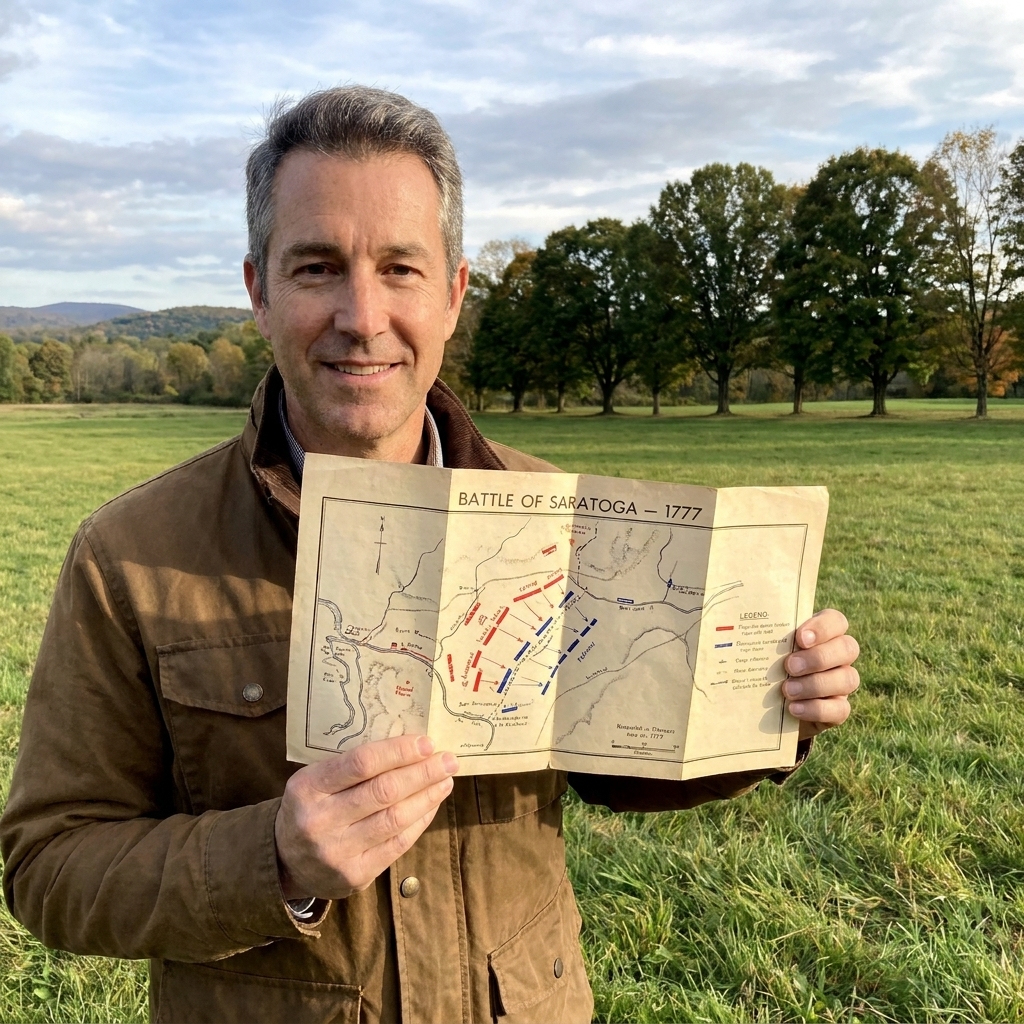

I have walked a lot of Revolutionary War ground where the story announces itself loudly. Saratoga fields that roll out like a theater stage. Yorktown earthworks where you can almost hear the shovels. The Culper Spy Ring is the opposite. Its history hides in plain sight, tucked into churchyards, harbor views, and ordinary roads that once carried extraordinary secrets.
If you have ever wanted to follow George Washington’s intelligence network with your own two feet, Long Island’s North Shore is one of the best places to start. Setauket, in particular, still feels like it has corners where a coded message could be slipped under a lantern-lit window without anyone noticing.
Quick background: who the Culpers were
The Culper Spy Ring was one of Washington’s most effective intelligence networks, operating primarily from 1778 through 1783, with Major Benjamin Tallmadge as the key organizer and handler, and with the commander in chief’s approval. The ring funneled information out of British-occupied New York City through a chain of couriers, coded letters, invisible ink, and carefully chosen concealed drops and exchanges.
Two names you will hear constantly in Setauket are:
- Abraham Woodhull (code name “Samuel Culper Sr.”), a Setauket farmer who became a central node of the network.
- Robert Townsend (code name “Samuel Culper Jr.”), who gathered intelligence inside British-held New York City.
And if you take this tour with kids or first-timers, there is one human hook that always works: Anna Strong’s clothesline signals, a local tradition rooted in the real problem the ring faced. How do you move information without being caught? Historians still debate how well documented the specific clothesline system is, while the strongest documentation for Culper methods is in the surviving coded correspondence and invisible-ink work. But the larger point holds up on the ground: the ring needed discreet signals, and Setauket’s geography made signaling and courier handoffs possible.
For more trip-planning basics that apply to any history day, I use the same approach outlined in Plan a Revolutionary War Site Visit.
Before you go: plan it right
Pick your home base
If your main goal is Culper history, base yourself on the North Shore near Setauket, Stony Brook, or Port Jefferson. You will spend less time fighting traffic and more time actually reading landscapes.
Choose your route style
- Half-day Setauket focus: perfect if you want the core Culper places without a marathon.
- Full-day plus New York City: Setauket in the morning, then continue west to connect the story to the occupied city the ring was spying on.
Bring the right tools
- Comfortable walking shoes for churchyards and short village walks.
- A small notebook if you like tracking details. Spy tours reward observation.
- A printed map screenshot or offline map because cell service can be inconsistent in pockets, and nothing ruins the mood like a spinning loading icon.
Also, check hours before you go. Churches, small museums, and local history rooms can have limited schedules, and active congregations deserve the same respect you would give anywhere else.
If you like using antique-style maps or want to get better at reading the ground while you travel, my field method is in How to Read Revolutionary War Battlefield Maps On Site.
Step by step: Setauket loop
This is the heart of the experience. Setauket’s Culper story is not about one big museum stop. It is about linking several quiet places until the network starts to make sense in your head.
One quick expectation-setter before you start: this is an interpretive loop. It is built for landscape-reading, distance-checking, and thinking through how secrecy worked in a small community, not for chasing a checklist of authenticated “spy was here” addresses.
Stop 1: Setauket village core
Start by simply slowing down. Park, take a breath, and look at how close everything is. The Culper Ring relied on proximity, familiarity, and the ability to move without looking like you were moving.
As you walk, keep asking: Where could someone watch the road? Where could a rider arrive unnoticed? Where would you hide a letter for a few hours?
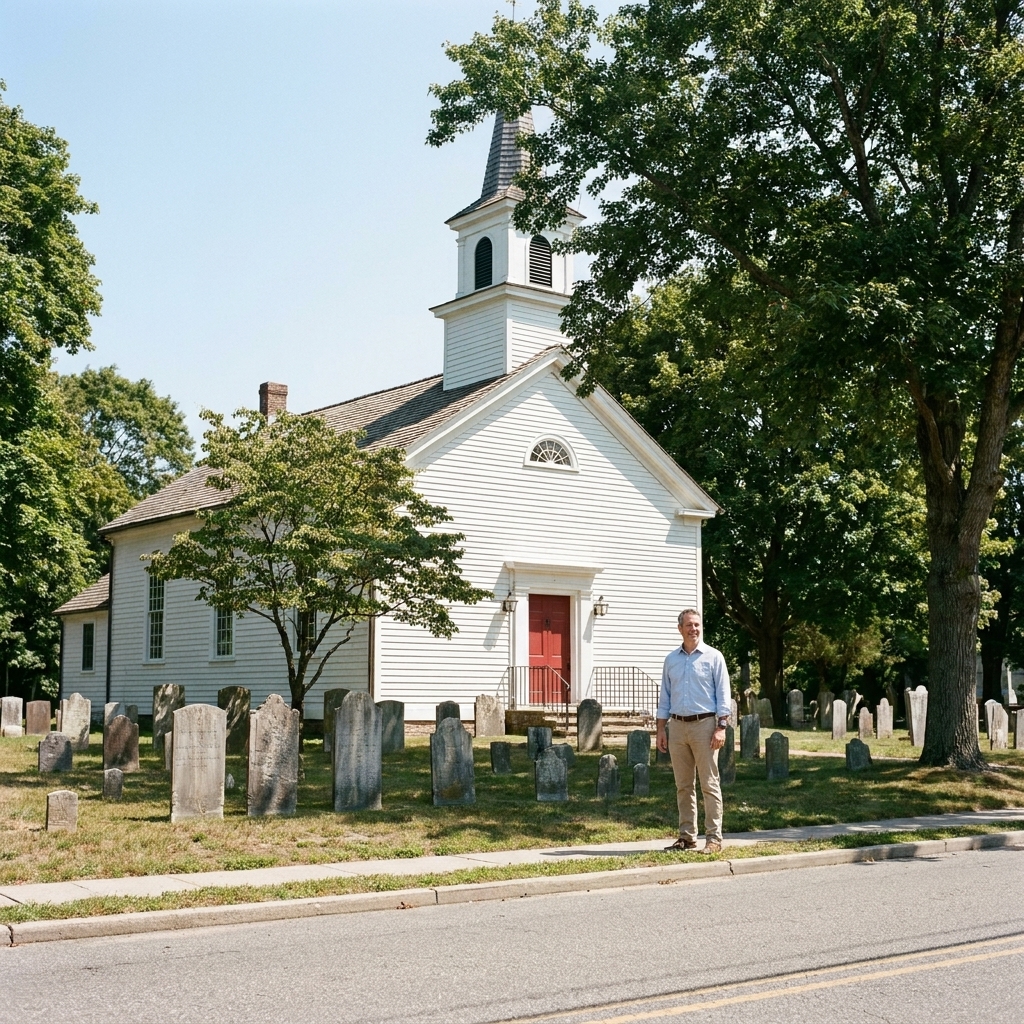
Stop 2: Caroline Church and churchyard
Caroline Church is one of those places that does not shout “spy story,” which is exactly why I love it. Churchyards are time machines if you let them be. Names repeat. Families cluster. You can feel how tight-knit the community was, and why suspicion could be deadly.
What to do on site:
- Walk the perimeter slowly and note sightlines to nearby roads.
- Look for 18th-century markers and familiar surnames connected to local Patriot life.
- Take one wide photo that shows the church and its setting. It helps later when you are trying to stitch the day together.

Stop 3: Old Setauket neighborhood walk
Even when individual structures have changed over the centuries, neighborhoods keep their bones. Roads curve where they always curved. Distances between key points remain stubbornly similar. The ring’s brilliance was built on routine movement through familiar space.
On this walk, I like to imagine Abraham Woodhull doing the constant mental math of risk: Who saw me? Who is watching this intersection today? How long can I linger?
Stop 4: Harbor overlook
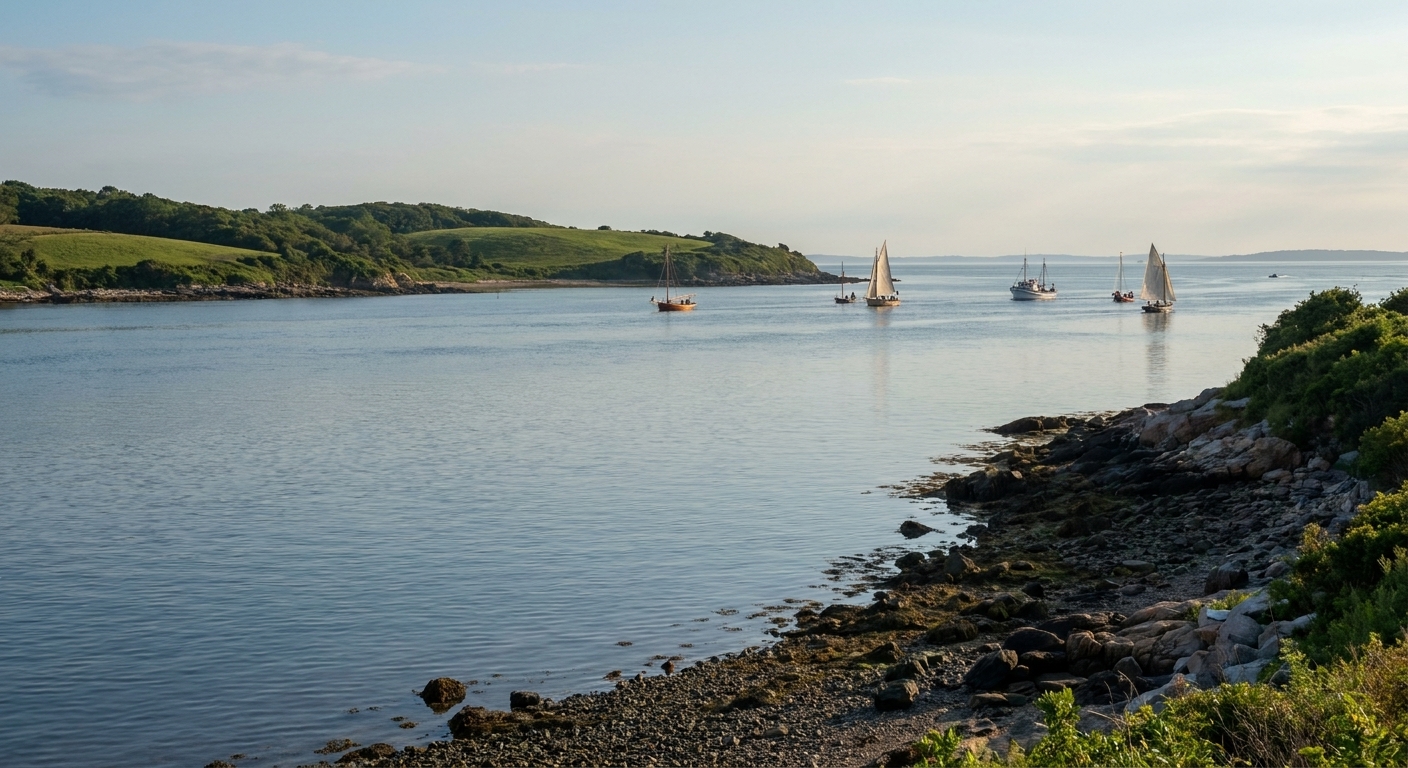
You cannot understand the ring without water. Long Island’s coves and harbors were not scenery. They were pathways. Boatmen and small craft could carry information, people, and goods with a flexibility that roads did not always provide under British scrutiny.
For this stop, aim for any public overlook near Setauket Harbor or a nearby North Shore shoreline viewpoint where you can safely watch the water for a few minutes. Picture nighttime movement: low profiles, quiet oars, and the constant fear of patrols. It turns an abstract “spy network” into something physical.
Stop 5: Add a local history stop
If a local museum or historic society is open when you visit, this is where you fold in artifacts and curated context. The Culper Ring’s story is heavy on documents, codes, and letters, and even a small exhibit can make the whole morning click.
If it is closed, do not force it. I have learned the hard way that forcing a tight schedule is the fastest way to miss what is right in front of you.
Extend the day: New York City
If you want the story to feel complete, you have to reckon with the other end of the pipeline. The Culper Ring existed because New York City was the British hub, crowded with troops, ships, merchants, refugees, and opportunity.
A full-day version looks like this:
- Morning: Setauket loop above.
- Midday: drive or take rail west, then choose one Lower Manhattan walking loop that fits your stamina.
- Afternoon or evening: focus on one or two places that represent the British occupation experience.
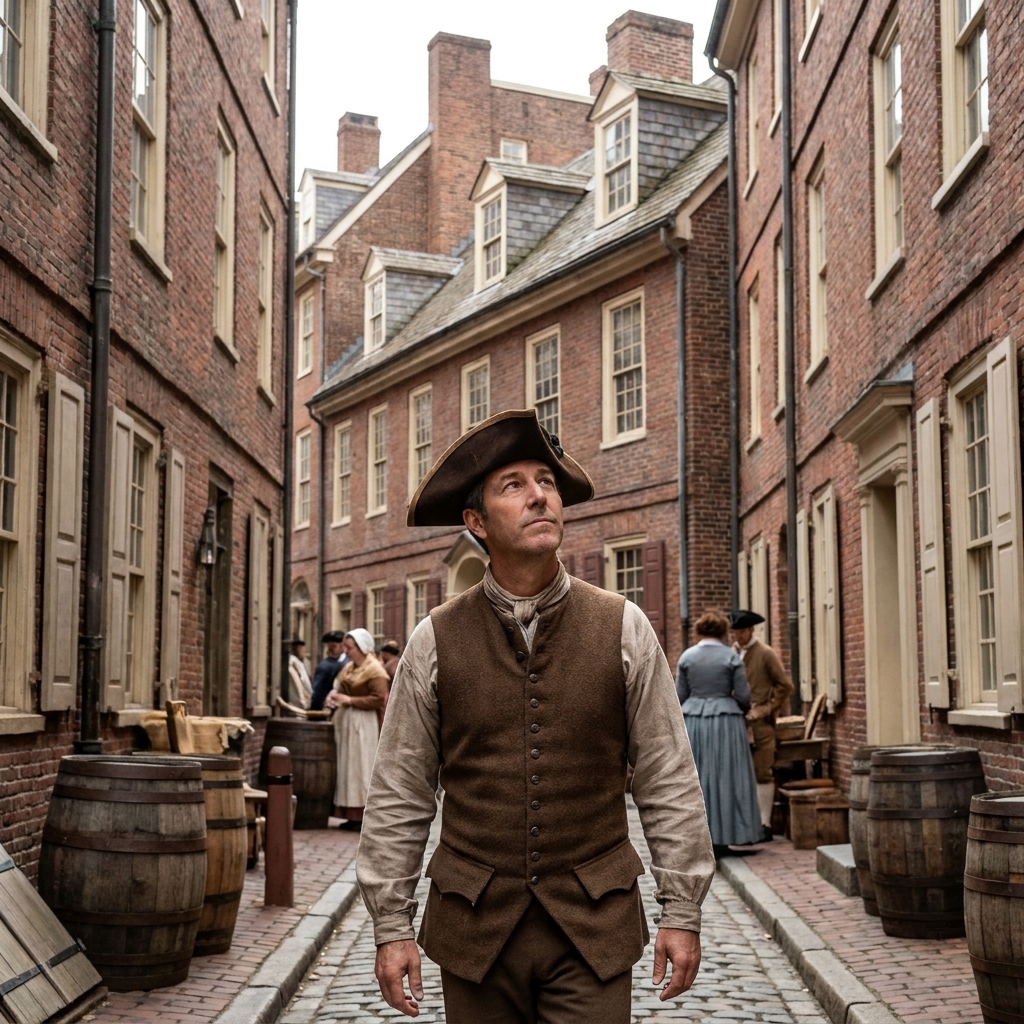
In Manhattan, I recommend keeping your expectations realistic. The city has been rebuilt many times over. The payoff is not original buildings everywhere. The payoff is standing in the density of it and realizing why Washington needed reliable intelligence so badly.
What I look for in the city is less a checklist and more a feel for the machinery of occupation: surviving street alignments that still funnel movement, waterfront edges where goods and people flowed, and civic or administrative centers where authority gathered.
If your broader trip includes other Northeast routes, you might also enjoy following a more overt action story like Following the Minutemen on the Lexington and Concord Battle Road. Culper sites are quieter, but they reward the same kind of attentive travel.
What to look for on a spy tour
When you tour battlefields, you look for high ground, fields of fire, and where the lines met. When you tour intelligence history, you look for different clues.
- Distances that can be covered quickly: a few minutes on foot mattered.
- Edges and transitions: village to farm, road to shoreline, public to private space.
- Places to observe without being observed: slight rises, bends in a road, hedges, tree lines.
- Routine cover: churches, markets, taverns, ferry points. Places where a person could be present for normal reasons.
One of my favorite ways to make this real is to pick a single message in your mind and trace what it would take to move it from a source to Washington. Every leg of that journey introduces risk, delay, and the chance of betrayal.
Practical tips
Parking and pacing
- Arrive early if you can. Small historic villages fill up faster than you expect on weekends.
- Build in unstructured time for walking, reading markers, and simply looking.
Churchyard etiquette
- Stay on established paths when available and watch your footing around older stones.
- Keep voices low and treat it like the living place it still is.
Families with kids
Kids love spy stories, but they hate long lectures. Turn it into a game:
- Ask them to find the best hiding spot along a wall or tree line.
- Have them pick a signal point where a person could communicate without shouting.
- Let them carry the notebook and draw a quick map of the day.
If you are planning a broader family trip, Top 5 Revolutionary War Battlefields to Visit With Kids has ideas that translate well to non-battlefield history days too.
Common questions
Is there one must-see Culper site?
If you only have time for one area, make it Setauket’s historic core and churchyard. The magic comes from proximity and atmosphere more than a single blockbuster attraction.
How long does Setauket take?
I plan on 2 to 4 hours depending on how long you like to linger, whether a museum stop is open, and how many photos you take.
Do I need a guided tour?
Not necessarily. A self-guided day works well if you enjoy slow travel and reading landscapes. A guided tour can add value if you want deeper document-based context or local anecdotes.
Is the clothesline signal story true?
It sits in that gray zone where local tradition, real operational needs, and later storytelling overlap, and the documentation is disputed. What matters on site is the larger truth: the ring needed discreet signals, and Setauket’s geography made signaling and courier handoffs possible.
Where to go next
If today’s spy story makes you want more people-focused history, the best starting point is my hub for biographies and character-driven travel:
And if you are building a longer itinerary around multiple sites and regions:
The Culper Ring can feel subtle when you first arrive. Give it a few stops, a little patience, and the right questions. By the time you leave Setauket, you will have done something I think is the real payoff of heritage travel: you will have turned names on a page into places you can still stand in.