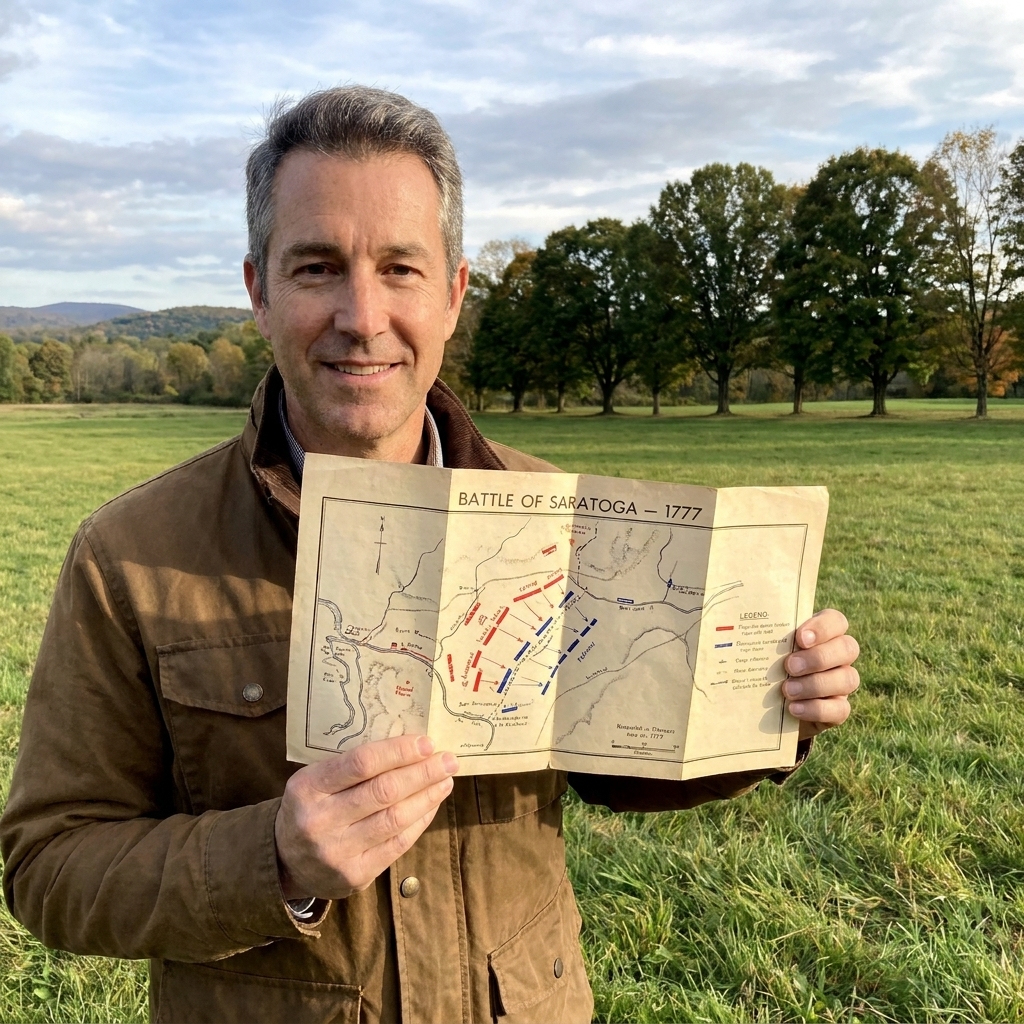

The first time I stared into a museum case full of tarnished coins and brittle paper notes, I felt confident for about three seconds. Then the labels started stacking up: pounds, shillings, pence, Spanish dollars, “lawful money,” “Pennsylvania currency,” and that infamous phrase you have probably heard: not worth a Continental.
If you have ever wandered a Revolutionary-era museum and wondered what any of it would actually buy, you are not alone. Colonial money is one of those topics that looks simple at a glance and turns wonderfully complicated the moment you start paying attention. The good news is that you do not need a finance degree to read these exhibits like a pro. You just need a few mental hooks, plus the right questions to ask the display case.
The big picture: a mix, not one currency
When you visit Revolutionary War museums, it helps to start with the most important idea: there was no single, tidy “American money” system in the 1760s and 1770s. People used whatever worked and whatever a local merchant would accept.
- Coins (especially foreign coins like Spanish silver dollars) circulated widely.
- British units of account (pounds, shillings, pence) were used to quote prices, even when the actual payment might be a different coin.
- Colonial paper money (issued by individual colonies) was common, but its value could vary by place and time.
- Barter and book credit filled in the gaps, especially in rural areas.
So when an exhibit label says an item cost “3s 6d,” it is describing a price in the local language of money. It is not guaranteeing that someone slid three shillings and six pence across the counter in British coins.
If you enjoy the hands-on side of daily life and what people actually owned and ate, you will probably also like our Colonial Life guide at /guide-colonial-life/.
How to read £ s d
Museum labels love the old British system because it was the common bookkeeping framework across much of the English-speaking Atlantic world. Here is the quick decoder:
- 1 pound (£) = 20 shillings (s)
- 1 shilling = 12 pence (d)
- So 1 pound = 240 pence
You will often see it written like this:
- £1 7s 6d (1 pound, 7 shillings, 6 pence)
- 10s (10 shillings)
- 2s 8d (2 shillings, 8 pence)
The trick in a museum is to treat these as units, like inches and feet. They tell you how the colonists measured price. They do not automatically tell you what metal coin was in someone’s pocket.
One more thing that saves confusion: the “£” sign on an exhibit label does not always mean sterling. Many colonies kept accounts in local “pounds” that used the same symbols, but did not match British sterling value. A “Pennsylvania pound” and a sterling pound could be very different things, even if they look identical on a placard.
The coin you will see everywhere: the Spanish dollar
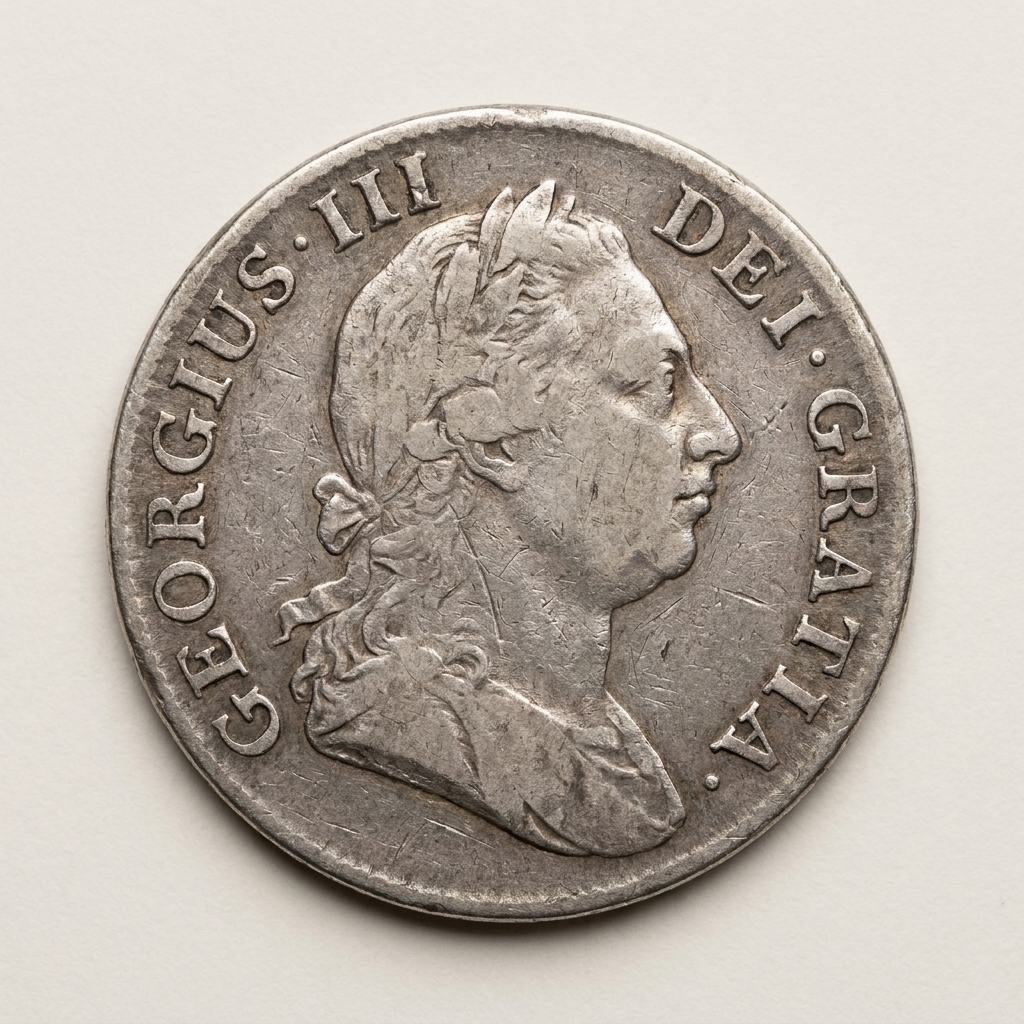
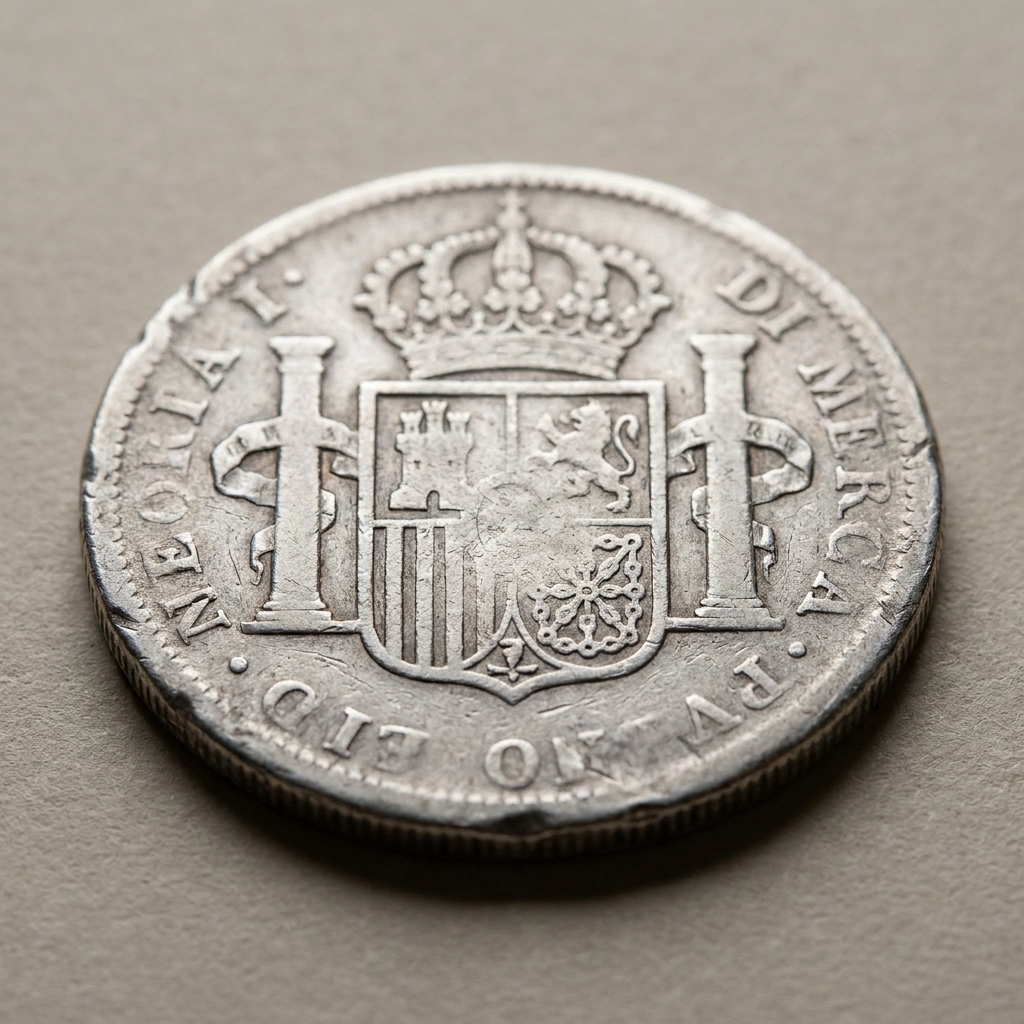
If a museum case includes a chunky silver coin about the size of a modern dollar coin, odds are good you are looking at a Spanish milled dollar, also known as eight reales and popularly remembered as a “piece of eight.” These were minted across the Spanish empire and became a kind of everyday international silver for North America.
Why it matters for museum labels:
- Spanish dollars were trusted because their silver content was relatively consistent.
- They were common widely, especially in port cities and along trade routes.
- They connect directly to the later American dollar, both in practice and in name.
You may also see references to fractions of a Spanish dollar. Those famous “bits” come from the practice of cutting, or at least accounting for, portions of the coin. In the common American usage, a “bit” is one eighth of a dollar, so “two bits” is a quarter. You will occasionally hear the term used loosely in different places or later time periods, so if a museum interprets it differently, check the local context on the label.
Colonial paper money: same words, different values
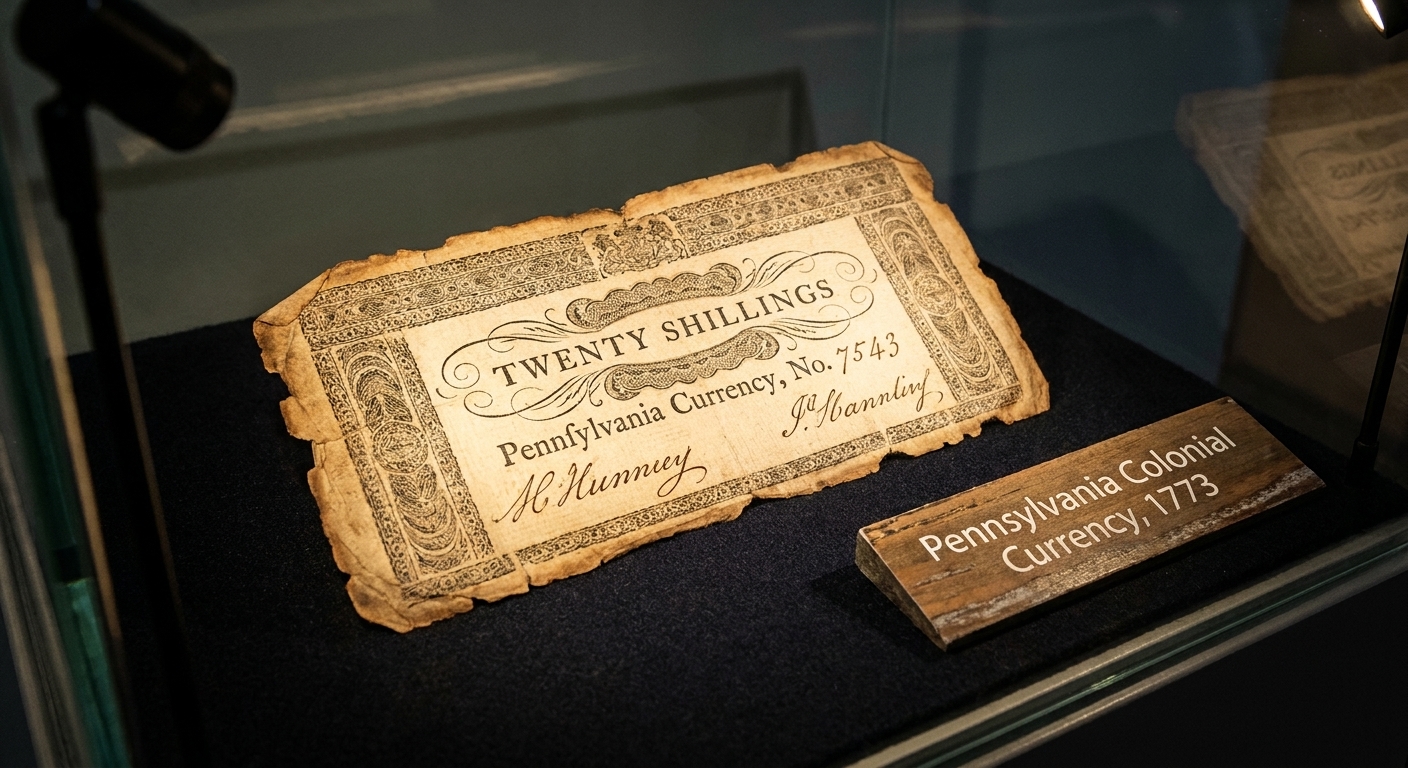
Before the United States had a unified currency, individual colonies issued paper money to help cover local expenses, often linked to taxes, public debt, or specific public finance schemes. Museum exhibits might display notes labeled “Pennsylvania,” “Massachusetts Bay,” or “Virginia,” and they can look surprisingly modern with their elaborate borders and warnings against counterfeiting.
Here is the part that confuses visitors: a “pound” in one colony might not be equal to a “pound” somewhere else. Even within the same colony, paper value could drift based on confidence, supply, and politics.
When you see colonial notes in a case, look for label language like:
- “lawful money” or “proclamation money”
- exchange rates against sterling
- redeemable in taxes or backed by specific acts
Those clues tell you whether the museum is showing money people trusted, money people tolerated, or money people tried hard to spend before it dropped again.
Continental Currency: money that fought a war
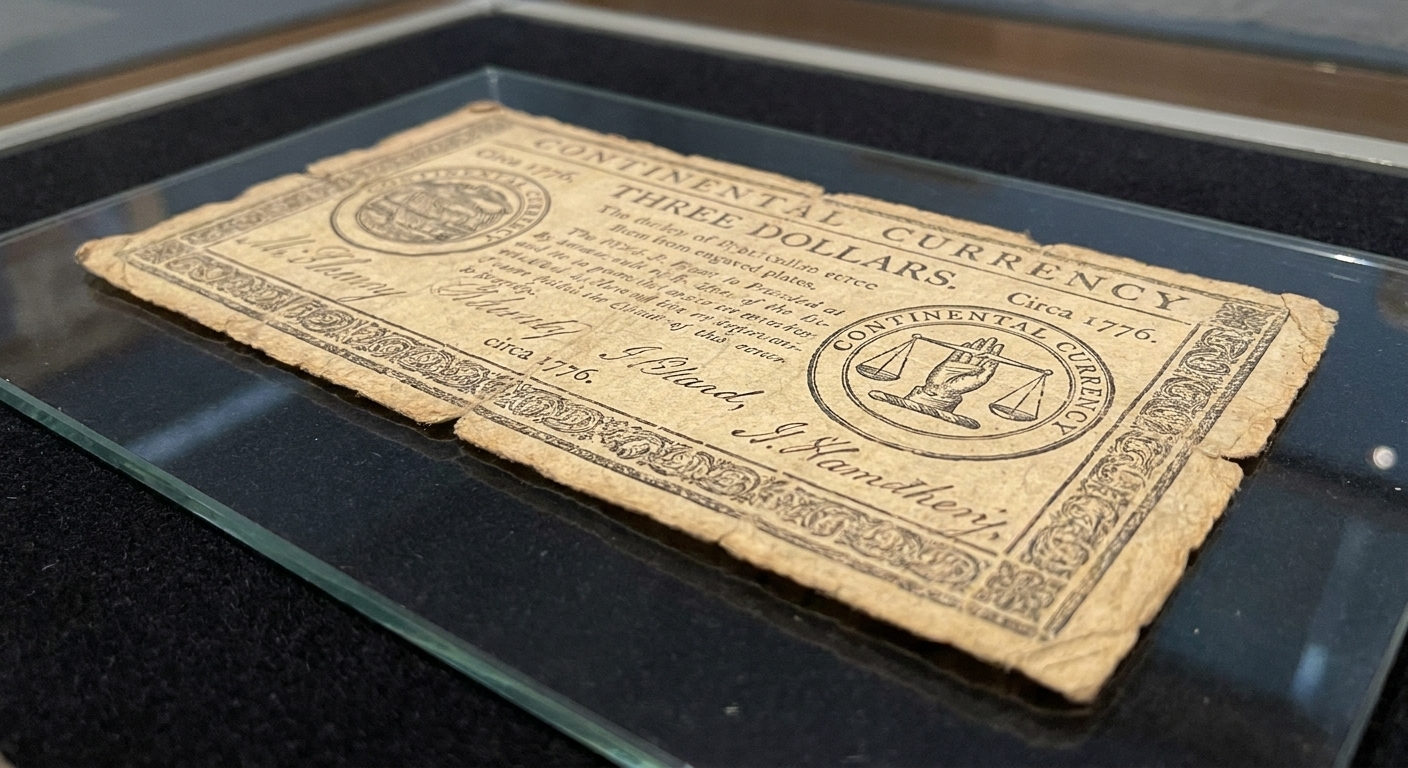
Continental Currency is where Revolutionary War galleries tend to get dramatic, and for good reason. The Continental Congress needed to pay soldiers and suppliers, so it issued paper notes. In wartime, confidence is everything, and counterfeiting became a real weapon.
Two things can be true at once, and museums sometimes struggle to balance them:
- Continental bills were essential. They helped keep the army in the field when hard coin was scarce.
- Continental bills became deeply unstable. Over-issuance, war disruption, and counterfeiting all hammered their purchasing power.
That is the real story behind “not worth a Continental.” It was not a joke about patriot foolishness as much as it was a hard lesson in wartime finance.
When a museum shows Continental notes, look closely at the design and text. Many include anti-counterfeiting patterns, elaborate borders, and warnings. If you are a map person like me, you will appreciate that these were not casual doodles. They were early attempts at security printing.
Barter and book credit: what is not in the case
Some of the most important “money” in Revolutionary America never survives long enough to sit under glass.
In many communities, especially outside major ports, everyday transactions relied on:
- Barter: produce, cloth, rum, labor, firewood, nails, you name it.
- Book credit: storekeepers wrote purchases into a ledger, and families settled accounts after harvest or when cash appeared.
If you want to train your museum eye for this, look for supporting artifacts near the currency display:
- merchant ledgers
- scales and weights
- measures for grain or rum
- trade goods like pins, buttons, and cloth
Those items are the bridge between a paper note and the reality of a household trying to get through winter.
A quick checklist: five questions to ask
When you are standing there with your family and the kids are losing interest, you need a quick way to make currency feel real. These questions work in almost any museum.
1) Where was this issued or minted?
A coin from Mexico City and a note printed in Philadelphia can end up in the same wallet. Location tells you trade routes and political control.
2) What did this unit mean locally?
Does the label mention sterling value, local “lawful money,” or an exchange rate? That is your hint that the same word might mean different amounts. This is also where you remember that “£” on a label might be a local colonial pound, not sterling.
3) Was this used for daily buying, or big payments?
Small copper coins and low-denomination paper notes point to market life. High denominations can signal taxes, wholesale trade, or government financing.
4) What problem was it trying to solve?
Shortage of coin, wartime supply, paying troops, stabilizing prices. Money is usually a response to stress.
5) What is the museum not showing?
If the display is all paper notes, ask yourself where the silver went. If it is all silver, ask how ordinary people managed when hard coin was scarce. That missing piece is often where the best story lives.
Counterfeits, trust, and modern echoes
One of my favorite moments in any museum is when you realize the past is not as distant as it looks. Colonial and Revolutionary Americans worried about many of the same things we do:
- Is this money real?
- Will someone accept it tomorrow?
- Is the government printing too much?
- Does a familiar design make it feel safer?
Some exhibits highlight famous counterfeiters or wartime counterfeiting operations that targeted Continental notes, including documented efforts linked to British networks and loyalist print shops. If you want a deeper dive into designs, denominations, and surviving examples, the American Numismatic Society has a strong educational presence in U.S. coin history at https://numismatics.org/.
Quick museum math for families
I do not like turning a museum visit into homework, but a little back-of-the-napkin translating can hook kids and adults fast. Here are three simple moves that do not require you to know exact exchange rates.
Anchor to an everyday item
If the label mentions bread, beer, nails, or cloth, use that as your reference point. Ask: was this coin a “one loaf” coin or a “whole barrel of flour” coin?
Count in shillings first
Pounds feel abstract. Shillings feel like spending money. If you see £1 10s, think “30 shillings.” It is still not modern dollars, but it is easier to imagine.
Compare two prices from the same display
Even if you do not know the modern value, you can see what was expensive relative to something else. A musket, a pair of shoes, a night at a tavern. Ratios tell a story.
Speaking of taverns, if your trip includes one of the surviving old public houses, our guide to Revolutionary-era drinking spots is here: /grab-a-pint-in-history-7-revolutionary-war-taverns-you-can-still-visit/.
Where money shows up on a road trip
You do not need a dedicated currency museum to find great displays. I have seen strong sections tucked into places people visit for battles, forts, and famous names.
- Big urban history museums often show colonial bills, merchant tokens, and wartime printing.
- Fort museums sometimes include soldier pay, supply contracts, and coin finds from digs.
- Battlefield visitor centers may include period purchasing power examples to explain logistics and provisioning.
If you are planning a route built around classic sites, start with our trip planning page at /plan-a-revolutionary-war-site-visit/. And if you are the type who likes to orient yourself with the landscape and the paper, you will enjoy /how-to-read-revolutionary-war-battlefield-maps-on-site/.
FAQ
Why did colonies use Spanish money instead of British coins?
Because it was available. Trade pulled Spanish silver into North America in huge quantities, and people trusted its consistent metal content. British coin was often in shorter supply in the colonies.
Is “Continental Currency” the same as later U.S. dollars?
No. Continental Currency was wartime paper issued by the Continental Congress. The later federal dollar system developed after independence, with its own minting and monetary policy.
Did colonists really cut coins into pieces?
Sometimes, yes, especially when making change was difficult. More often you will see the legacy of that practice in language and accounting for fractions of a dollar.
Can I trust exact modern dollar conversions on labels?
Treat them as rough guides unless the museum explains the method. Purchasing power varies by time, place, and what you are buying. Comparisons within the same display are often more reliable than a single conversion figure.
Any museum etiquette for money displays?
If a case is open for demonstration, let staff handle the originals. Oils on fingertips do real damage over time, and museums generally prefer you focus on what the label says about where a piece circulated and what it was worth locally.
Stand where it circulated
I have collected antique maps for years, but money scratches the same itch: it is history you can almost feel in your hand. Coins get smooth where thousands of fingertips worked them. Paper notes crease where they were folded and refolded on market day. Even when the numbers are confusing, the human story is not.
Next time you are at a Revolutionary-era museum, do not rush past the currency case. Give it five minutes. Look for the mix. Look for the local language. Look for the problem the money was trying to solve. The war and the everyday world click together when you realize armies marched on paper promises, silver coins, and a whole lot of trust.