

I love Independence Hall as much as anyone. But if you have ever tried to squeeze through Old City on a bright Saturday, you know the feeling: shoulder-to-shoulder sidewalks, long lines, and the sense that you are experiencing the Revolution through the backs of other people’s heads.
So here is my favorite alternative. This is a boots-on-the-bricks walking loop through Revolutionary Philadelphia’s quieter corners: meeting houses, churchyards, stubborn old alleys, and places where the story feels less like a headline and more like a whispered conversation you happened to overhear.
This walk is designed for curiosity over checklists. You will still be steps from Independence Hall, but you will spend most of your time in places many visitors never notice.
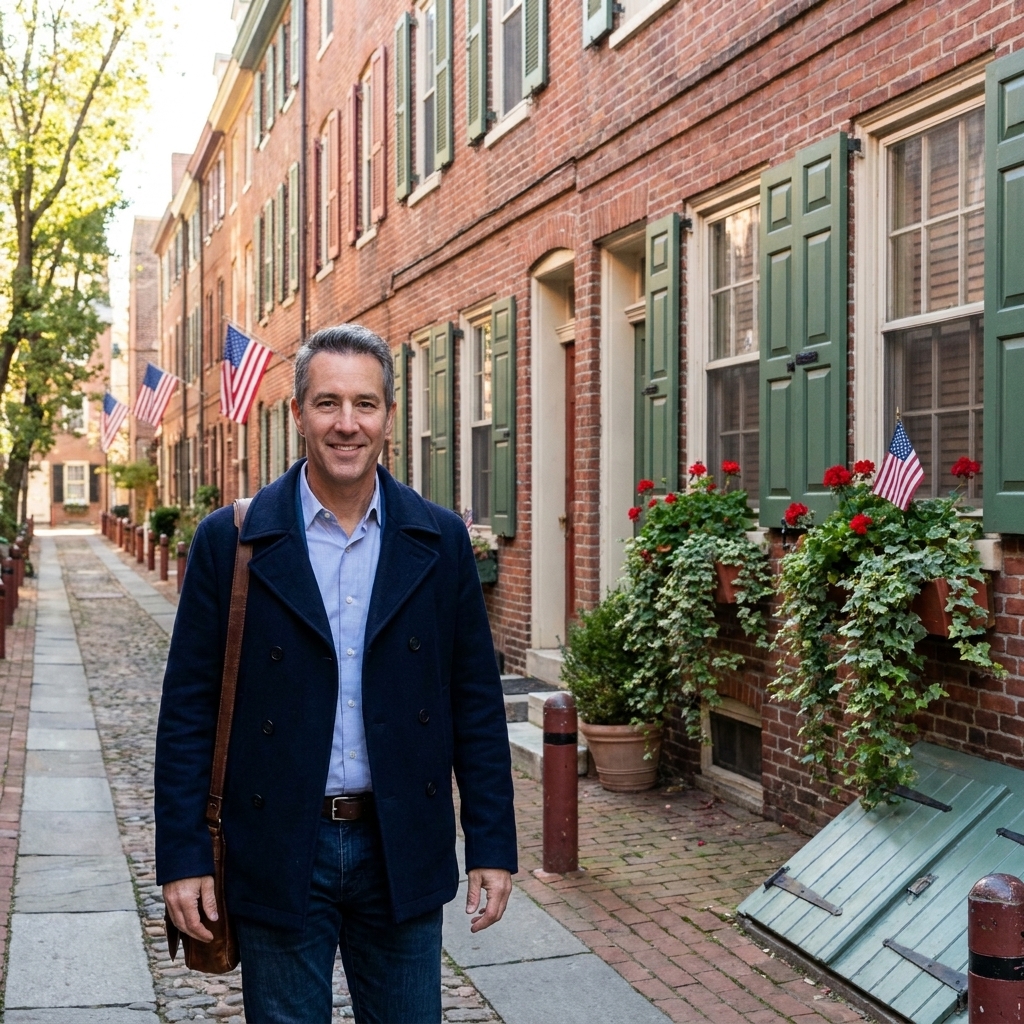
Before you go
Distance and timing
Plan for about 1.5 to 2.5 miles of walking, depending on how long you linger in churchyards and side streets. I usually budget 2 to 3 hours, with a museum stop or two. Everything here is compact, and that is the joy of it: Revolutionary Philadelphia is a city you can read block by block.
Hours and access
A quick reality check before you commit: several stops on this loop have limited hours, seasonal schedules, or occasional closures. Carpenters’ Hall, burial grounds, and meeting houses can be especially unpredictable. I always treat this route as a strong outdoor walk first, with interiors as a bonus when they are open.
Accessibility notes
Old City is beautiful, and it can also be a little unforgiving. Expect brick sidewalks, uneven paving, narrow passages, and the occasional curb cut that is more “historic” than helpful. If you have mobility needs, you can still enjoy most of this route, but you may want to stick to the broader streets between stops and treat the tightest alleys as optional detours.
What to bring
- Comfortable shoes: Old City brick and uneven sidewalks will find weak ankles fast.
- A small bottle of water: Even short walks feel longer when you are stopping to read markers.
- A map mindset: If you want to see 1770s Philadelphia, think like a traveler who follows alleys, not avenues. If you enjoy using old maps on-site, my approach is laid out in How to Read Revolutionary War Battlefield Maps On-Site.
Best time of day
Early morning is my favorite, especially on weekends. You get the light, the quiet, and that rare feeling that the city has not fully switched into modern mode yet.
Suggested order
This is the loop I use when I want it to feel effortless and walkable. You can start anywhere, but this sequence keeps the flow simple.
- Carpenters’ Hall
- Free Quaker Meeting House
- Christ Church Burial Ground
- Elfreth’s Alley
- Betsy Ross House area (then side streets)
- City Tavern area
- Society Hill streetscapes
- St. Mary’s Church and cemetery
- Washington Square (save it for the exhale)
- Final drift back toward the big icons
The walk: 10 stops and small detours
This route keeps you in Old City and Society Hill, always close to the big attractions, but intentionally angled toward the places that feel personal.
1) Carpenters’ Hall
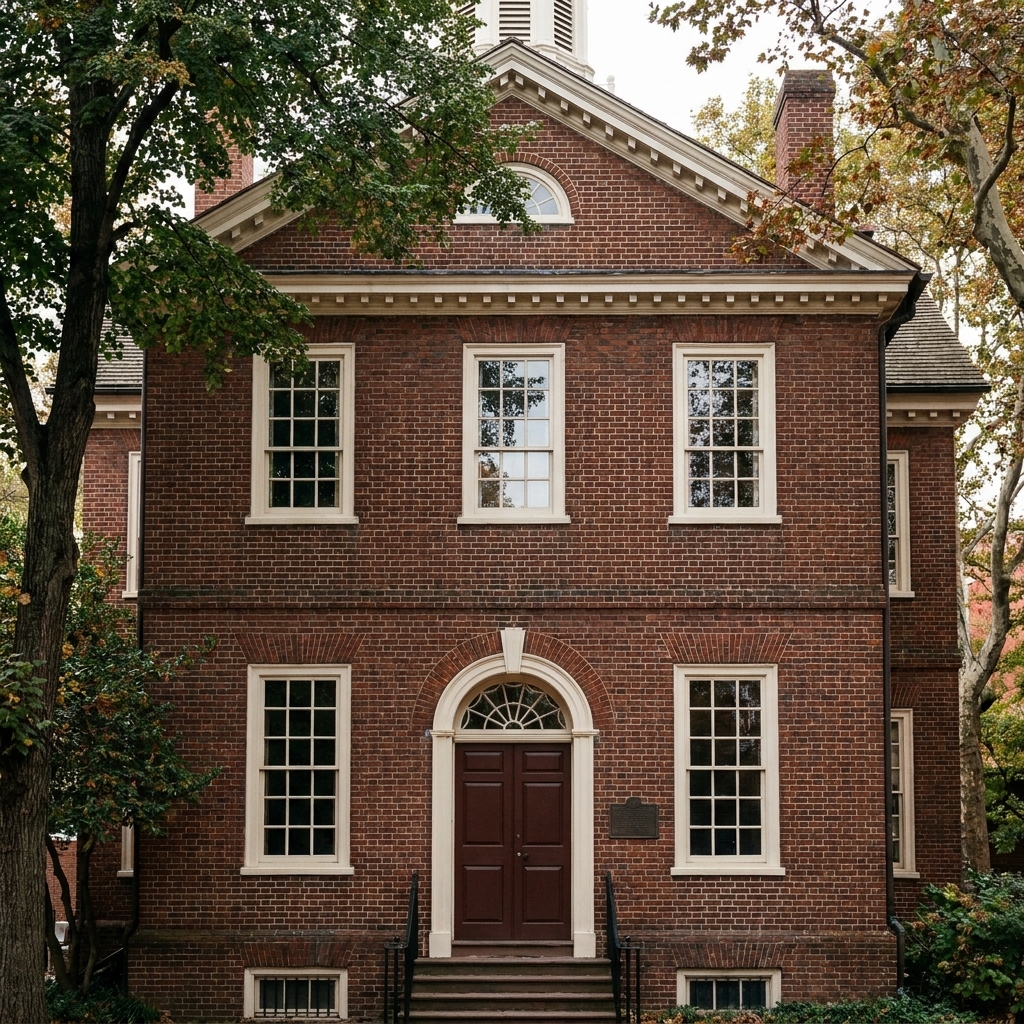
Most people walk right past, headed toward Independence Hall. Do not. Carpenters’ Hall hosted the First Continental Congress in 1774, and it still feels like a working building tucked into the city rather than a grand monument.
What to look for: Stand outside for a moment before you go in. Imagine delegates arriving from different colonies, each carrying local assumptions and local grudges, and trying to invent unity in a room not built for history. That tight, practical feeling is part of the power here.
2) The Free Quaker Meeting House
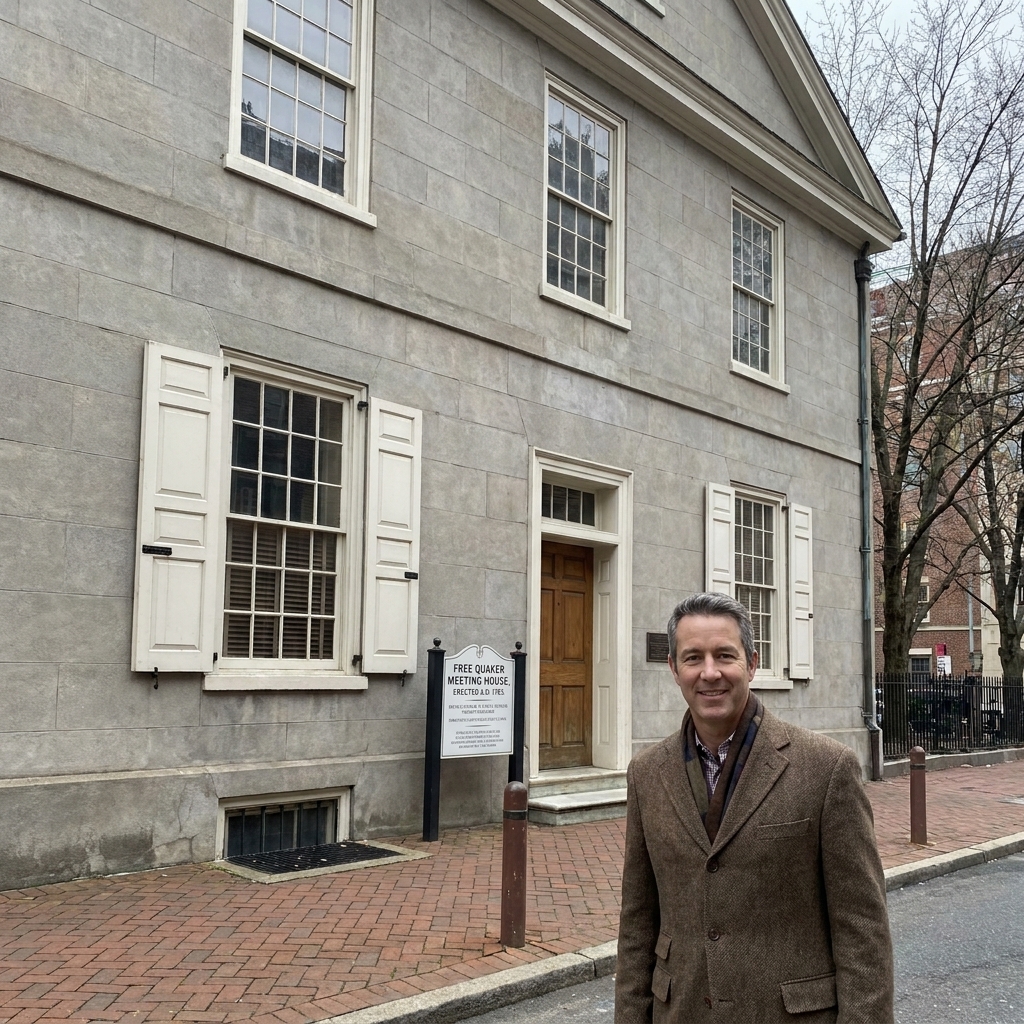
This is one of the most quietly meaningful Revolution sites in the city. The “Free Quakers” were those who broke with traditional Quaker pacifism to support the Revolutionary cause. The meeting house itself was built in 1783, and it stands like a physical reminder that the Revolution reshuffled loyalties inside families and faith communities, not just legislatures.
What to look for: The plainness. The building’s simplicity is the point, and the debate it represents is timeless: what do you do when your moral beliefs collide with political realities?
3) Christ Church Burial Ground
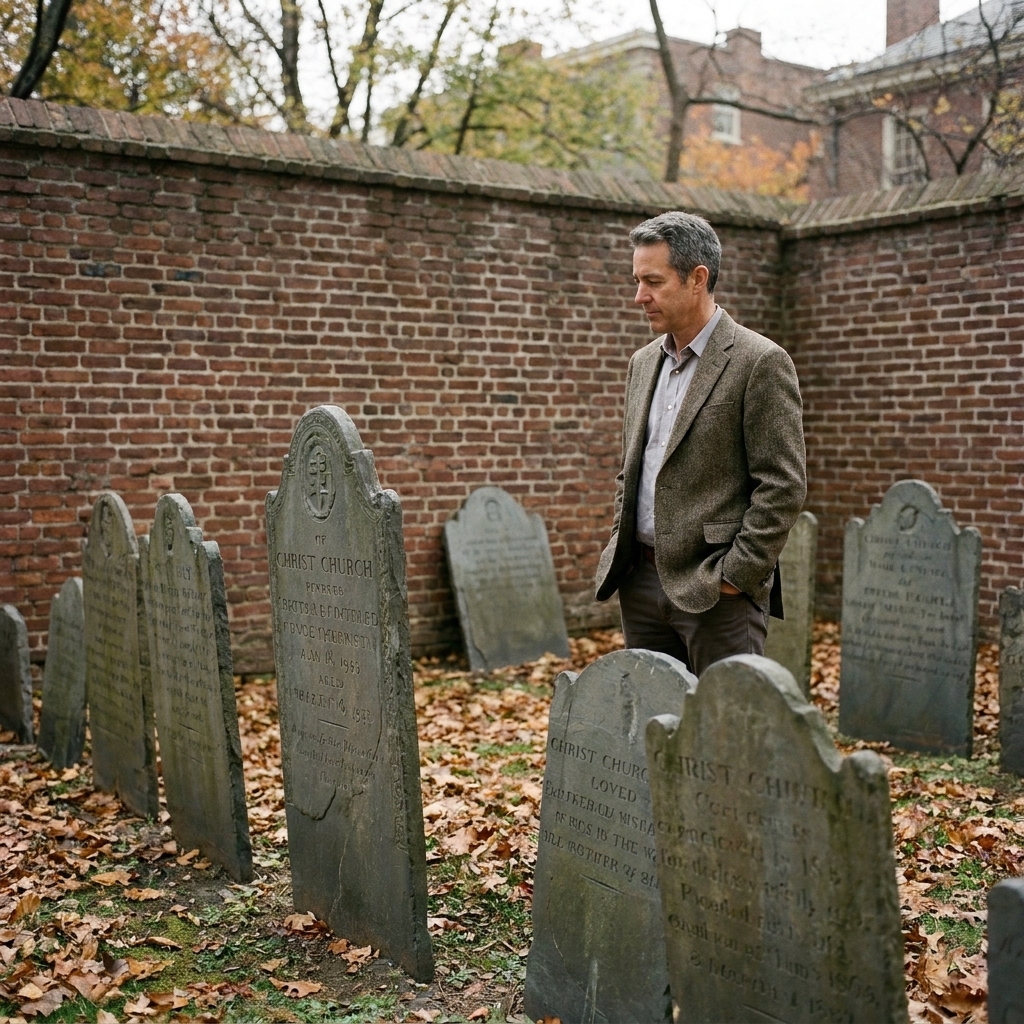
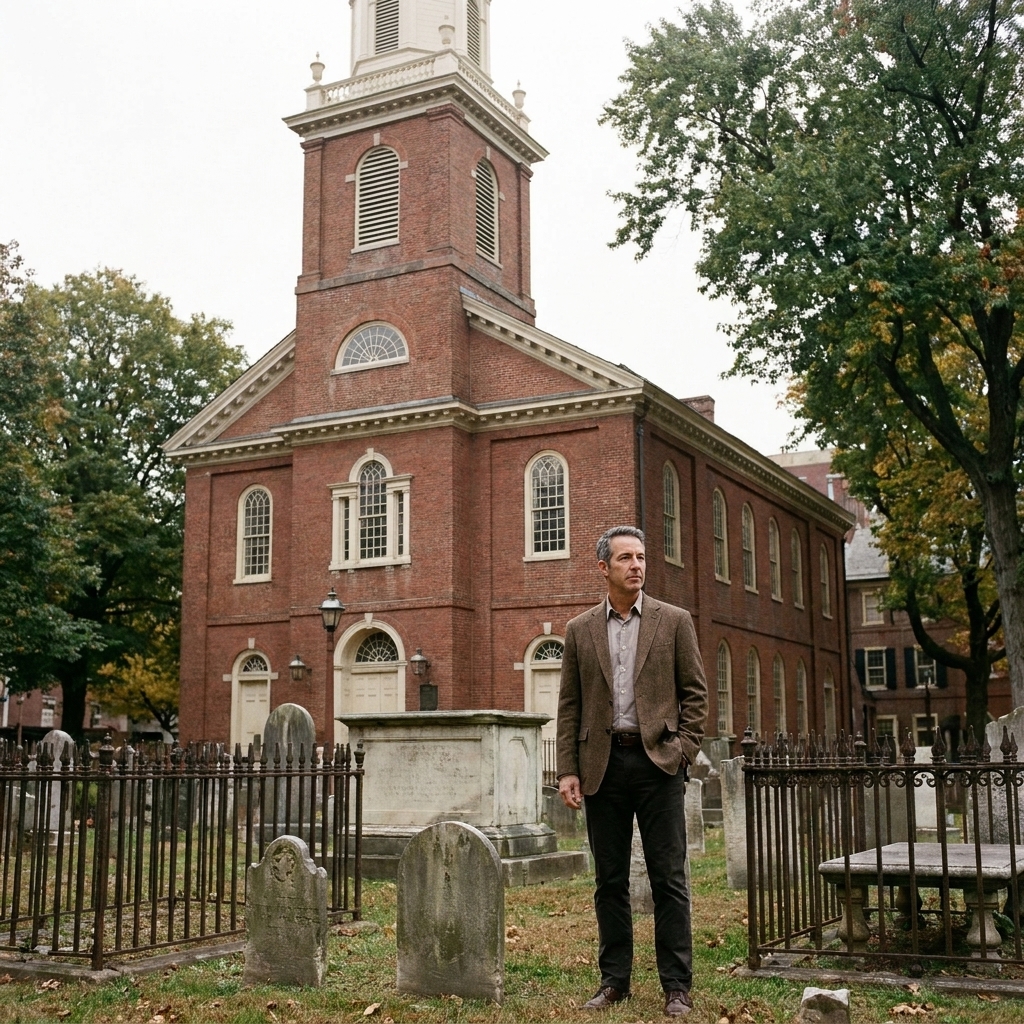
This is one of my favorite places in Philadelphia to slow down. You will see names you recognize, including Benjamin Franklin. But what really hits is the density of lived lives: merchants, artisans, children, sailors, and politicians, all pressed together in a city that argued about liberty while dealing with disease, fire, war, and hard winters.
What to look for: The worn carvings. The older the stone, the more you can feel time doing its patient work. It is a good reminder that the Revolution was not a storybook. It was a risky, exhausting, sometimes grim human project.
4) Elfreth’s Alley
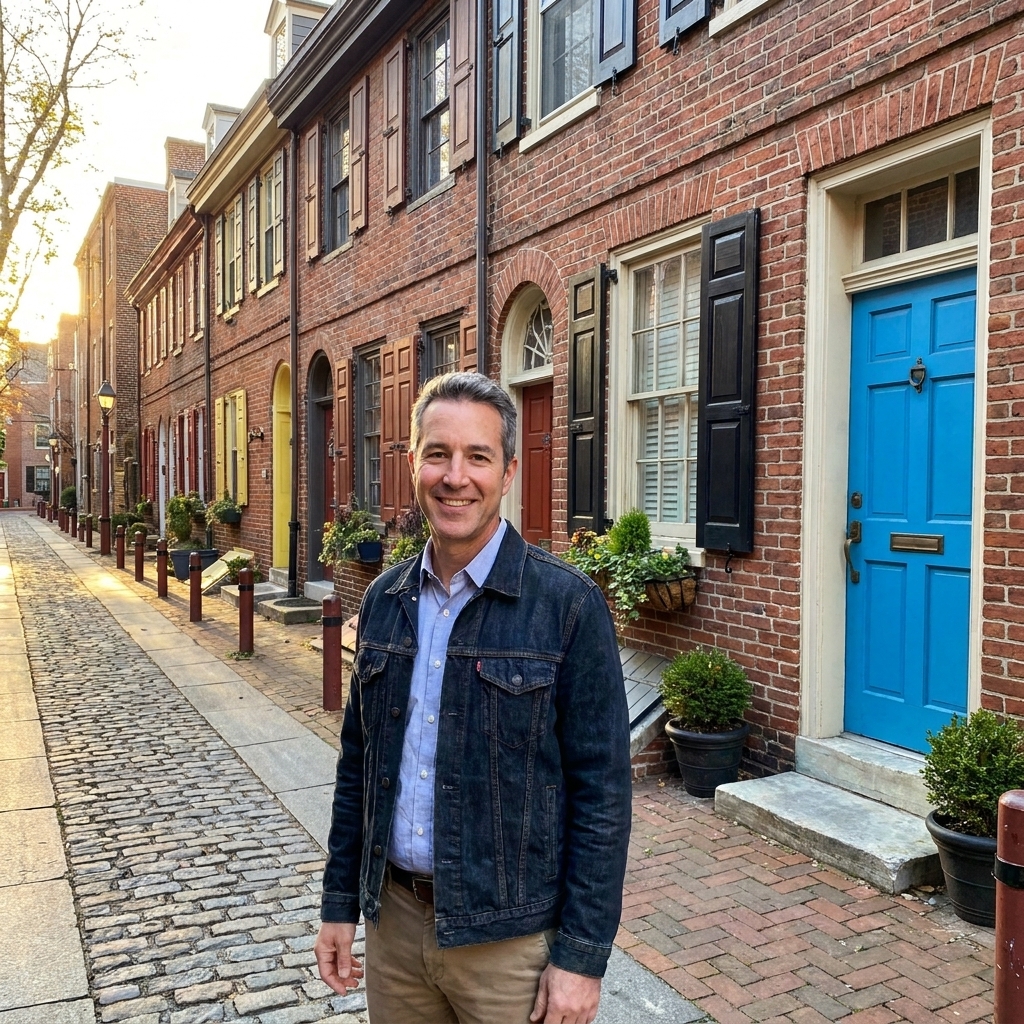
If you want a single block that still whispers “18th century,” this is it. Elfreth’s Alley is often cited as America’s oldest continuously inhabited residential street. Whether you are here for architecture or atmosphere, it delivers.
Revolutionary angle: This was not the world of famous speeches. It was the world of craftspeople, family economies, and neighbors who did not have the luxury of ideology without consequences. Picture lantern light in windows and news traveling by rumor before it traveled by print.
5) Betsy Ross House area, but follow the side streets
Even if you skip the interior, the surrounding blocks are worth the detour. Here is my trick: do not treat it like a single attraction. Treat it like a neighborhood lens. Stand on the corner, then walk one block off the main flow.
The famous “first flag” story is debated, and that is fine. For this walk, the streetscape is the real draw.
What to look for: Scale. Doorways close to the sidewalk, small courtyards, tight intersections. Revolutionary Philadelphia was not built for cars, crowds, or spectacle. It was built for foot traffic and face-to-face friction.
6) City Tavern area
Even when a specific building is reconstructed or interpreted for visitors, the location matters because the function of the place matters. The City Tavern you see today is a modern reconstruction, but the idea of tavern Philadelphia is as real as anything carved in stone.
Revolutionary angle: You cannot understand the era without understanding its social spaces. Not everyone had access to power in formal rooms, but taverns created informal networks that could be just as influential.
7) Society Hill streetscapes
This is a “keep your eyes open” segment more than a single address. Society Hill rewards the wanderer. You will find rows of old brick homes, narrow passages, and details that feel stubbornly unmodern.
What to look for: Old brickwork, iron hardware, and the way the streets bend. I always imagine a messenger moving fast through this maze, carrying news that could change a person’s business, reputation, or life by nightfall.
8) St. Mary’s Church and cemetery
St. Mary’s is a place many visitors miss because it sits just far enough away from the main Independence Hall tide. If you make the short walk, you get a calmer, more reflective stop, and one that helps you understand the city’s religious diversity in the Revolutionary era.
What to look for: The sense of continuity. Philadelphia’s Revolution was not just political. It was cultural, ethnic, and religious, and churchyards like this are where those layers remain visible.
9) Washington Square, then step to the edges
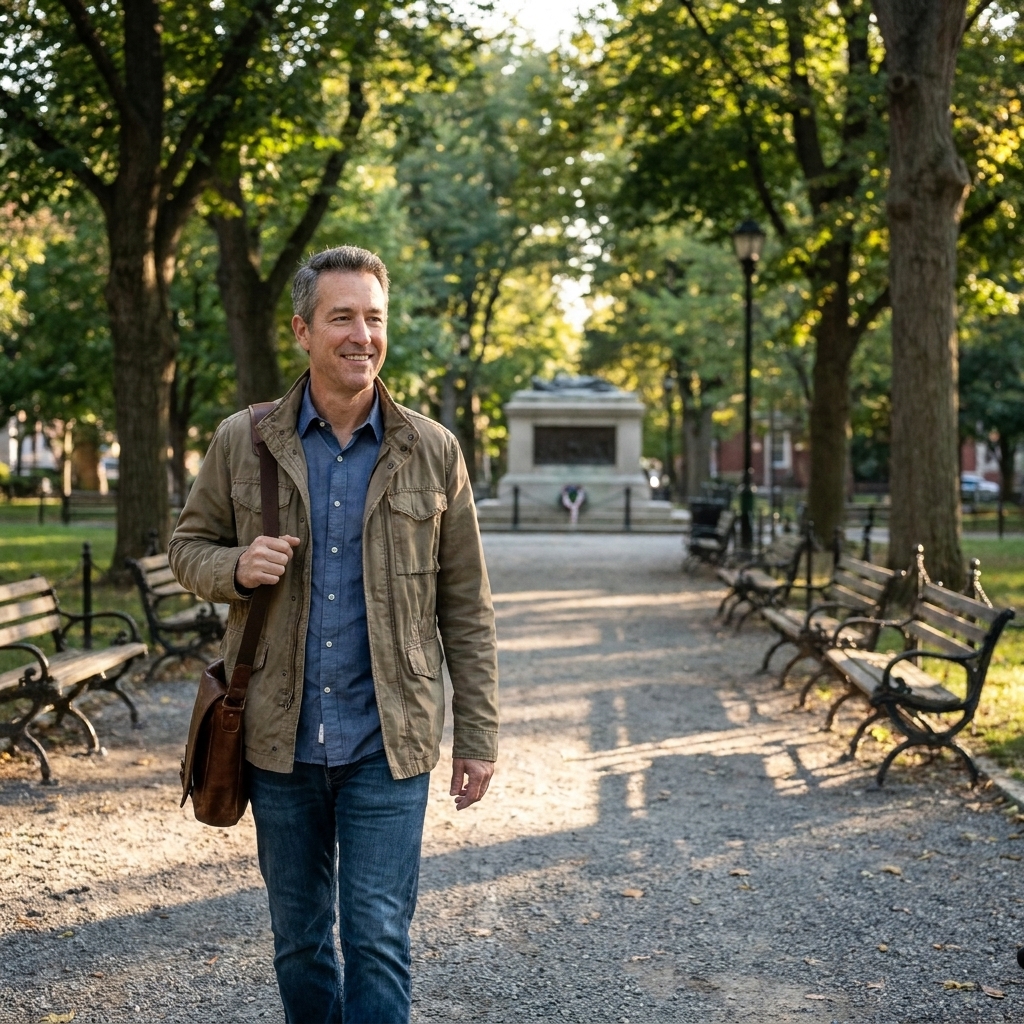
Washington Square is not hidden, but it is often treated like a picnic patch between bigger stops. For Revolutionary history, it deserves more respect. Long before it became a polished city square, this ground served as a burial place, including for victims of the 1793 yellow fever epidemic and for people from the Revolutionary era, including some associated with the years of British occupation.
What to do: Walk the perimeter slowly, not the center. Listen to the city noise and then imagine the wartime soundscape: drums, wagons, illness, mourning, and constant uncertainty.
10) Loop back to the big icons, on your terms
End your walk by drifting back toward the major sites only if you feel like it. When I do this route, I find I appreciate Independence Hall more afterward, not less, because I have spent time in the city’s supporting cast first.
If you want to extend the day beyond Philadelphia, pair this walk with a trip out to Valley Forge. I wrote about one of my favorite corners of that story in Baron von Steuben at Valley Forge.
How to make it feel close
Follow the quiet thresholds
Philadelphia’s Revolution is hidden in thresholds: courtyards, alleys, burial ground gates, meeting house doors. When you see a spot that looks like it belongs to pedestrians instead of traffic, take it. That is usually where the 18th century is closest to the surface.
Read the city like a camp
In wartime, a city functions like a massive camp. Supplies move. Rumors move faster. People adapt. If you have explored battlefields, you can apply the same terrain thinking here. Sightlines matter. Narrow streets matter. Gathering spaces matter.
If you are planning a larger trip around multiple sites, I keep my approach simple in Plan a Revolutionary War Site Visit.
Practical tips
- Go early for breathing room: You will get better photos and a better feel for the place.
- Do not over-schedule: The magic is in unexpected corners, not timed dashes.
- Expect some doors to be closed: Treat interiors as a bonus and you will never feel like the city “beat” your itinerary.
- Respect burial grounds: Stay on paths when they exist, watch your step near fragile stones, and keep your voice down. These are historic sites and resting places.
- Build in a sit-down break: The Revolution is easier to picture when you have time to let scenes form in your head. A five-minute bench stop often does more than another half-mile.
More walking days
Philadelphia is a perfect starter city for Revolutionary travel because it teaches you how to look. Once you get used to reading streets and landmarks as history, it becomes addictive. If you are building a longer itinerary, you might enjoy: