

I grew up in Pennsylvania reading about the Revolution like most kids read sports pages. But the first time I stood on a windy Atlantic pier and watched a tall ship creak against its lines, something clicked: the war was not only fought in fields and forests. It was fought on cold decks, in cramped gunrooms, and along a coastline where every inlet could hide a privateer.
If you want to understand John Paul Jones and the early Continental Navy, you do not need to memorize every ship name in the fleet. You need salt air, a good museum gallery, and a few stops where shipbuilders, merchants, and sailors turned rebellion into a fighting force at sea.
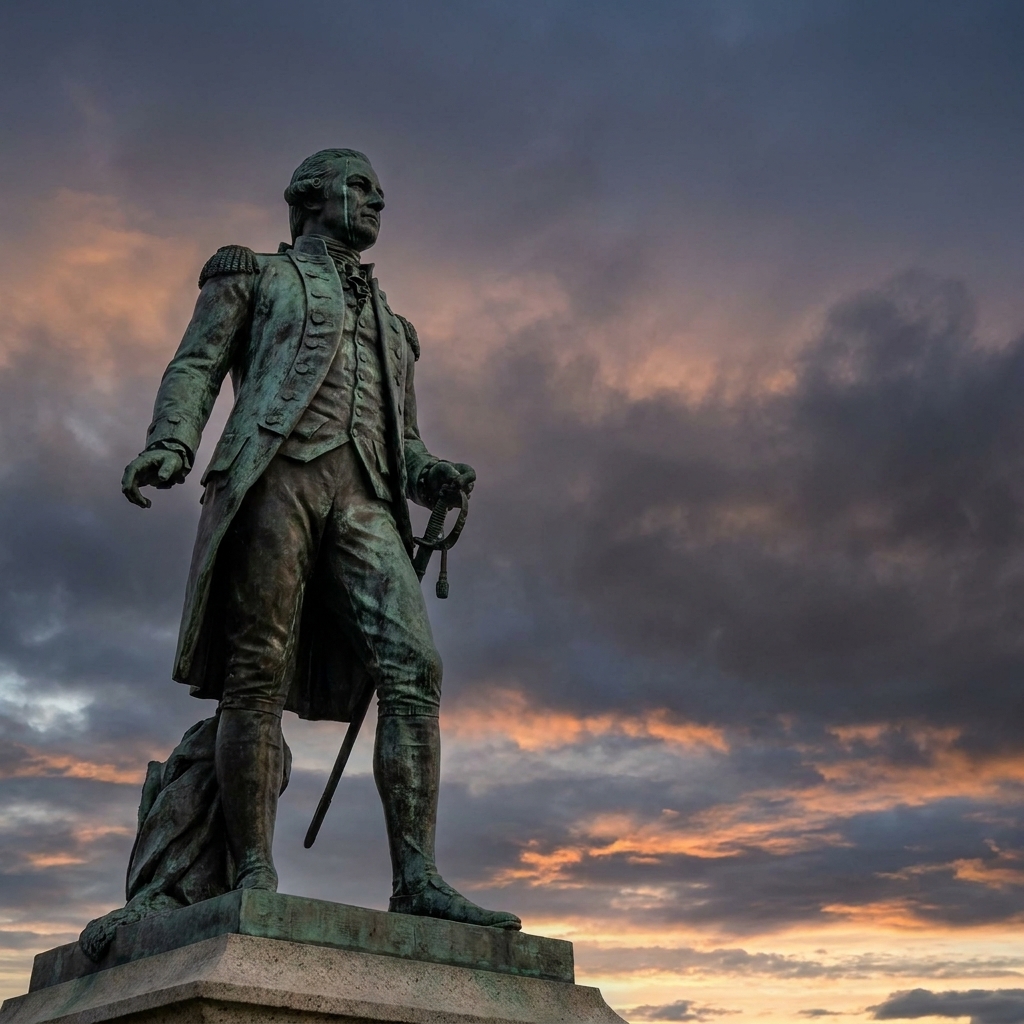
Jones in a nutshell
John Paul Jones was not born an American hero. He was born in Scotland, went to sea young, and arrived in the Revolutionary moment with hard-earned seamanship and a fierce appetite for action. Commissioned in the Continental Navy, he became famous for audacity: snapping up prizes, striking where the British did not expect it, and forcing the Royal Navy to treat the American effort as more than noise.
The quick detail that helps when you are on the ground: Jones was as much a symbol as a commander. The Continental Navy was small, underfunded, and constantly improvising. Much of the day-to-day maritime war ran on ports, shipyards, and privateering, with state navies and local commerce filling gaps the Continental Congress could not. Later, French naval power shifts the whole balance. The best coastal museums show you how all of that fits together.
If you enjoy travel that follows people through places, you can also browse my broader guide to planning around personalities in the Revolution here: /guide-people/.
Coastal sites and maritime museums
I am keeping this list focused on places that do two things well: they give you a strong Revolution-era maritime story, and they are enjoyable to visit even if you have kids or a mixed group that includes non-history obsessives.
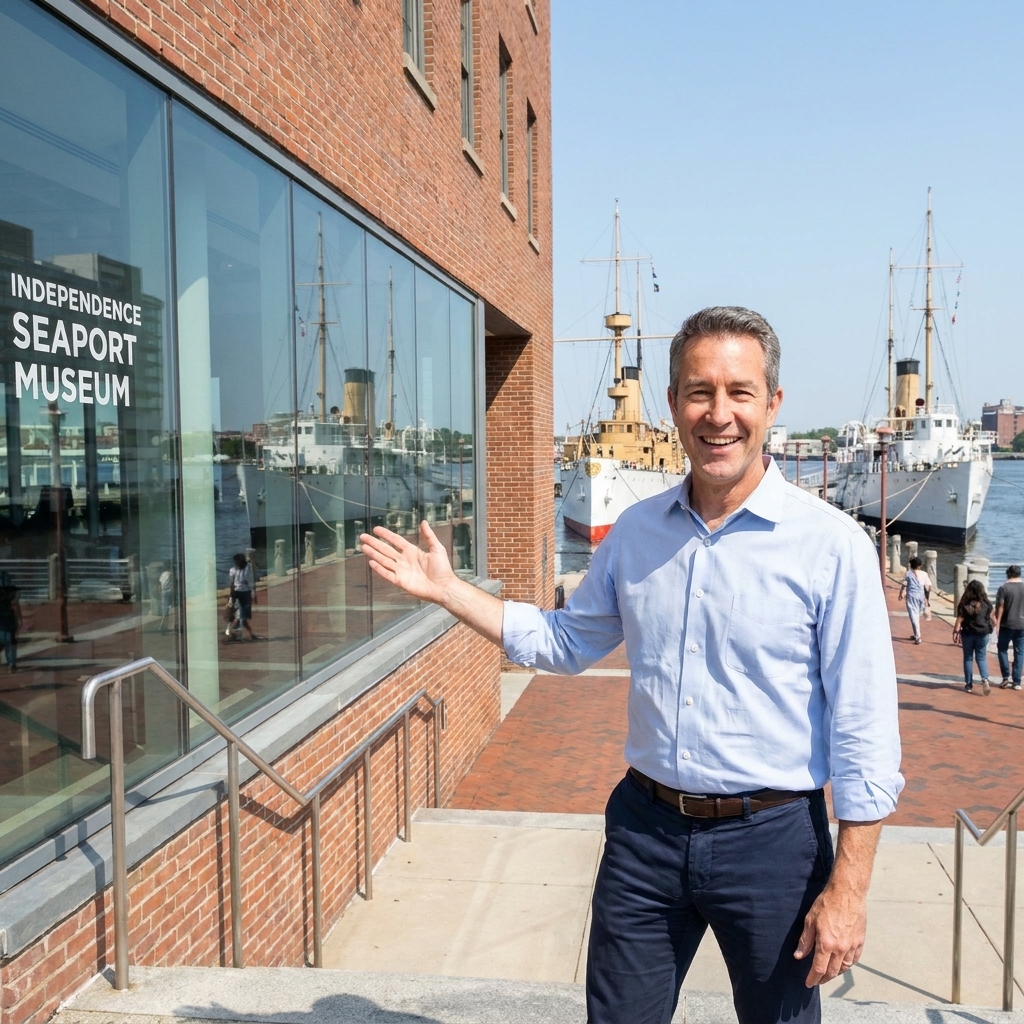
1) Philadelphia, Pennsylvania: Independence Seaport Museum
Philadelphia is usually framed as a political capital, but it was also a working waterfront that fed the war with commerce, craft skill, and river access to the interior. The Independence Seaport Museum is one of my favorite “start here” stops because it gives you context for shipbuilding and trade, and it makes the naval side of the Revolution feel like part of everyday city life.
Jones’s story fits here even when he is not the headline. This is the kind of port environment the Continental Navy depended on: committees, suppliers, paperwork, carpenters, sailmakers, and the constant scramble to outfit ships fast.
What to look for while you are there:
- Exhibits that connect merchant shipping, privateering, and war logistics
- Interpretive material that explains how a port city bankrolls conflict through materials, labor, and captured prizes
- Time on the riverfront, imagining masts and warehouses instead of modern traffic
2) Boston and Charlestown, Massachusetts
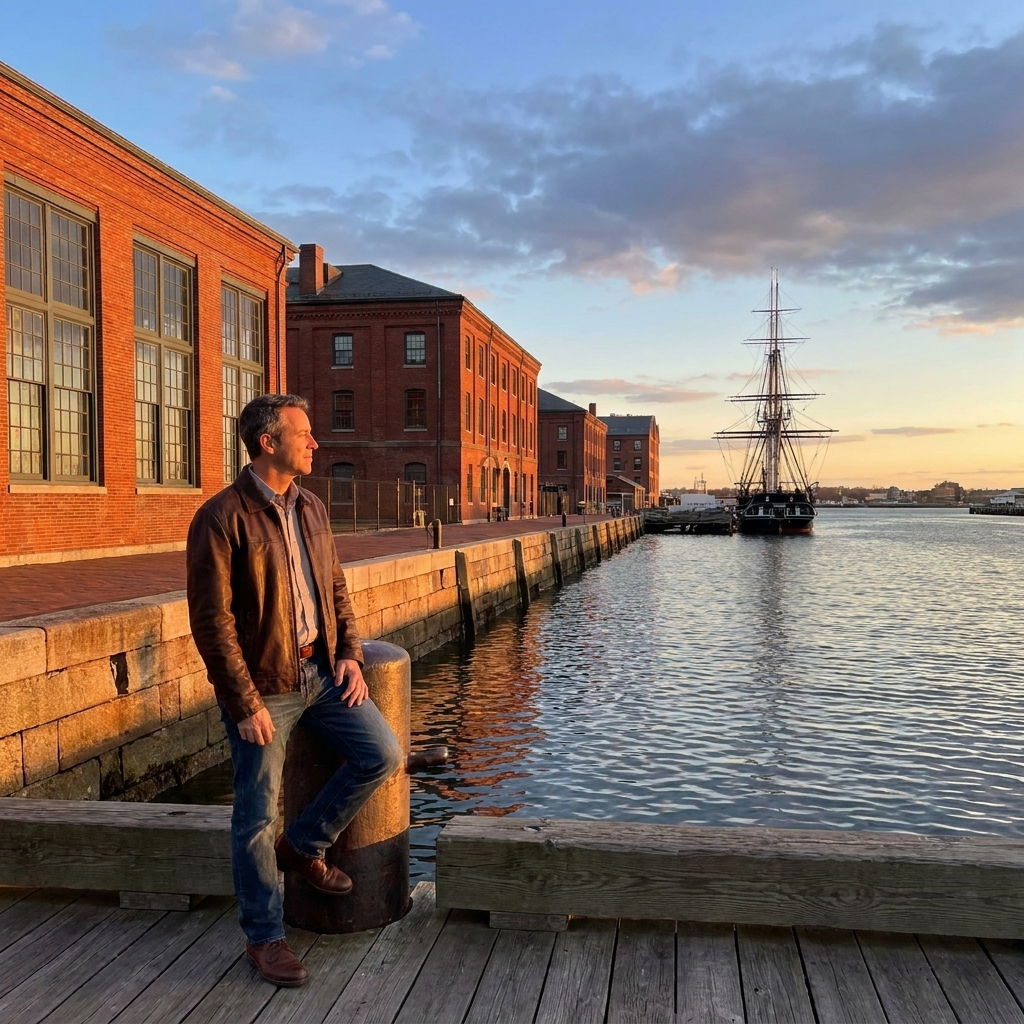
Boston is not a single site, it is a maritime landscape. You have wharves, ropewalks, shipyards, and a harbor that shaped the city’s politics. Even if you spend most of your time on the land-based Freedom Trail, it is worth carving out a few hours to think like a sailor: tides, channels, and the fear of being trapped in a blockaded port.
For a Jones-focused trip, Boston and Charlestown are about scale. They help you picture what the Continental Navy was up against, and why harassment and raiding could matter even when you could not win straight-up fleet fights.
If you want one practical anchor point for your day, spend time around the waterfront and the Navy Yard area. Look for high ground or open views where you can take in the harbor as a working space, not a postcard.
If you are building a Massachusetts trip, I like pairing coastal context with a day following the war’s opening shots inland. This guide is a great companion: /following-the-minutemen-on-the-lexington-and-concord-battle-road/.
3) Salem, Massachusetts: privateering power
If John Paul Jones represents the Continental Navy’s swagger, Salem represents the Revolution’s maritime hustle. Privateering is complicated history, part patriotism, part profit. But it was real, and it mattered. Salem’s maritime story helps you understand how American sea power grew beyond a handful of official warships.
I call Salem a privateering town because it was one of the leading ports for it, not the only one. The point is to see how prizes, investors, crews, and courts turned maritime violence into a business model that supported the wider war.
What to do in town:
- Prioritize exhibits or walking tours that explain privateers, captured prizes, and the legal machinery behind it
- Ask docents how crews were recruited and paid, and what happened to cargoes
- Look for tangible objects: sea chests, weapons, ship fittings, and anything that makes the labor of seafaring concrete
4) Portsmouth, New Hampshire: a shipbuilding coast
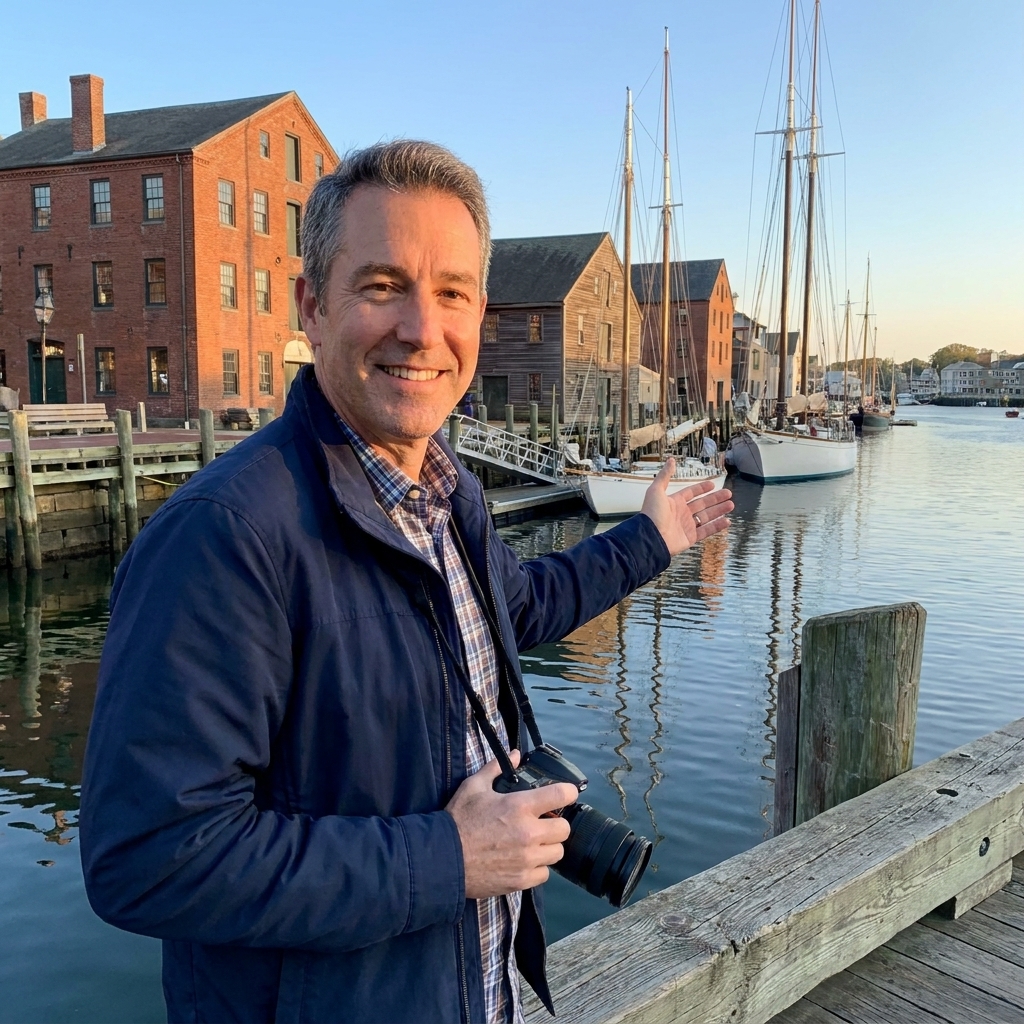
Portsmouth does a wonderful job of feeling like a place that has always been tied to the sea. For a Revolutionary War traveler, it is a reminder that naval warfare begins long before the first cannon shot. It begins with timber, ironwork, skilled shipwrights, and suppliers who can outfit a vessel fast.
This is the kind of working-coast backdrop that makes Jones’s raids and prize-taking feel less like romantic legend and more like logistics. A warship is not just a captain and a flag, it is an industrial project that floats.
Travel tip: schedule a morning for museum time and an afternoon simply walking the waterfront. Bring an antique map mindset, and compare the shoreline to old harbor patterns. Even modern inlets help you see why certain towns became maritime hubs.
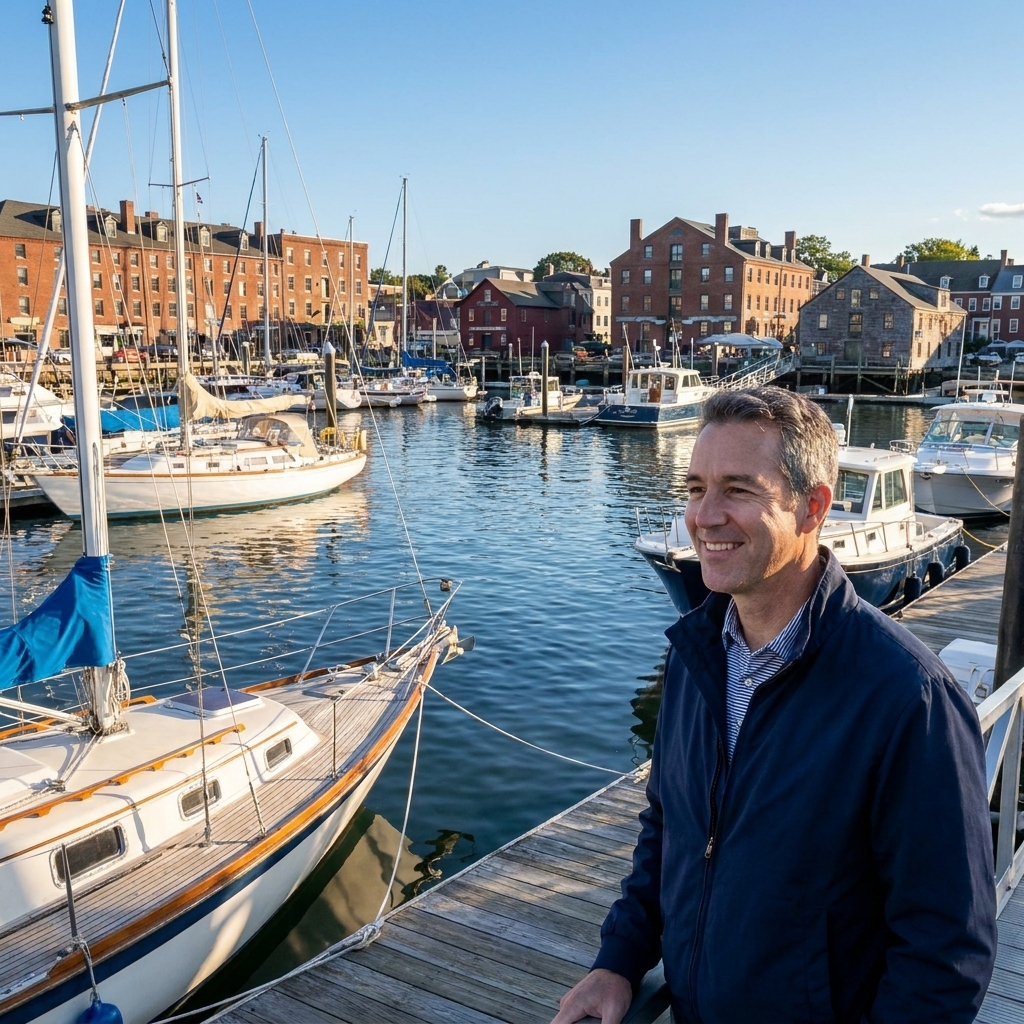
5) Bath, Maine: Maine Maritime Museum
Bath is a shipbuilding town with a long memory. The Maine Maritime Museum is a strong stop if what you want is the shipyard story: how vessels were built, launched, and maintained, and how an industrial waterfront shapes a community.
To set expectations, this visit is often more about shipbuilding methods and maritime industry than it is about Revolution-specific artifacts. For a Jones and Continental Navy trip, that is still valuable. It helps you picture the material reality behind every order to “fit out a ship” and every scramble to replace damage and wear.
What to look for:
- Hands-on interpretation of ship construction and materials
- How shipbuilding ties into broader Atlantic trade networks
- Any exhibits that connect early American conflict to maritime supply and production
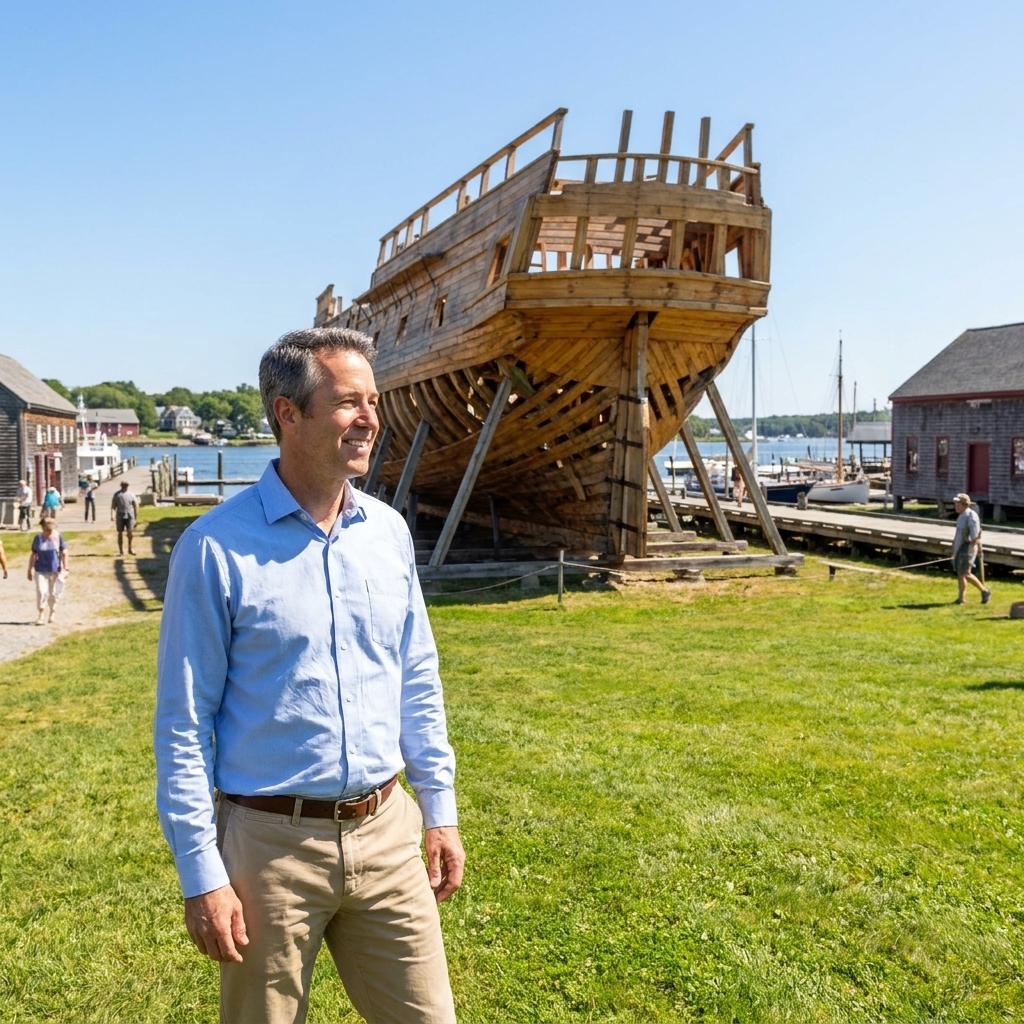
6) Newport, Rhode Island: a harbor worth contesting
Newport is one of those places where you can feel why navies matter. Deep water, good anchorage, and access to key lanes along the coast made Narragansett Bay strategically valuable. Even if your visit leans more scenic than scholarly, standing near the water helps the military logic click.
Newport also helps widen the Jones lens. By the later war, American success depends on alliances and professional fleets, not only daring cruises. This is a good place to think about how French participation changes what is possible.
Nearby, Revolutionary War history in the region also connects to France’s role and the broader Atlantic contest. If your interest runs to the people who brought alliance politics to life, this site-focused Lafayette piece can help you plan stops that pair well with a coastal swing: /tracking-lafayette-key-american-battlefields-to-visit/.
7) Washington, DC: John Paul Jones Memorial
You do not have to stay strictly on the coastline to visit a maritime story. In Washington, DC, the John Paul Jones Memorial is a quick, worthwhile stop that frames his legend the way later generations wanted to remember it: heroic, determined, and almost mythic.
In practical terms, think of this as a memory stop more than a museum stop. Notice what the monument emphasizes: courage, command, victory. Then carry that question back into the galleries where the messier parts of the story live, like money, manpower, and the cost of life at sea.

8) Yorktown area, Virginia: sea power at the finish
When people say “Yorktown,” they picture trenches and surrender. But the closing act lands the way it does because of control at sea. French naval power helped prevent British reinforcement and evacuation, tightening the trap while the siege unfolded on land.
This is a useful stop for a Jones-minded traveler because it shows the bigger chessboard. Even the most audacious cruise is part of a wider war, and in 1781 the sea becomes decisive in a way no single American captain could force alone.
If you are deciding how to prioritize major turning points, I have a guide that helps frame the choice between big battlefields and what you will actually experience on the ground: /saratoga-vs-yorktown-which-turning-point-battlefield-should-you-visit-first/.
Visit like a naval historian
Bring three questions into every museum
- How was the ship paid for? Look for funding, prizes, merchants, and government improvisation.
- Who did the work? Shipwrights, rope makers, sailmakers, dockworkers, and enslaved labor in some ports. Museums differ in how directly they handle this. It is worth noticing.
- What was the objective? Protect trade, raid commerce, carry troops, gather intelligence, or force the enemy to divert ships.
Watch for small artifacts that tell big truths
A cracked binnacle, a battered powder measure, a surgeon’s kit, a sea chest with initials. These objects pull you away from the hero narrative and into reality: noise, splinters, sickness, and routine fear. John Paul Jones makes more sense when you picture the world his crews lived in.
Pair water views with map thinking
I collect old maps, and I have learned that coastlines explain decisions. Stand at a harbor mouth and ask: where could a ship anchor safely, where would a blockade sit, where would a raider slip out at night? If you want a practical method for reading military maps while you travel, this is one of my most useful on-the-ground skills: /how-to-read-revolutionary-war-battlefield-maps-on-site/.
A simple 3-day itinerary
You can build a great John Paul Jones and Continental Navy themed trip without trying to stitch together the entire Atlantic coast. Here are three easy modules you can run with.
New England maritime loop (3 days)
- Day 1: Boston and Charlestown waterfront focus, then harbor views at sunset
- Day 2: Salem for privateering context
- Day 3: Portsmouth, then continue north if you want Bath, Maine
Mid-Atlantic port and politics (3 days)
- Day 1: Philadelphia waterfront and seaport museum time
- Day 2: Add a second port experience by choosing one of these: a small maritime museum, a preserved waterfront district you can walk, or a harbor overlook where you can study channels and approaches
- Day 3: If your route allows, swing through Washington, DC for the Jones memorial, then use it as a capstone on how later generations shaped his legend
Chesapeake finish-the-war perspective (3 days)
- Day 1: Coastal Virginia orientation with a harbor walk, then look for an exhibit that explains fleets, blockades, and logistics
- Day 2: Yorktown area to connect sea control to the surrender narrative
- Day 3: Choose one more water-focused stop that answers a single question: where could ships anchor, and how would an enemy fleet try to deny that space?
For the nuts and bolts of building days that do not feel rushed, I keep my planning approach here: /plan-a-revolutionary-war-site-visit/.
Quick FAQ
Is John Paul Jones the same as the Continental Navy?
No, but he is a great doorway into it. The Continental Navy was a patchwork of ships, politics, and port town labor. Jones is one of the most famous commanders, and his story helps you notice the system behind the legend.
Do I need to tour an actual historic ship?
Not necessarily. Historic ships are powerful experiences, but a strong maritime museum can give you more Revolutionary context than a ship that is from a later era. If you do tour a ship, focus on space: crew quarters, gun decks, and the distance between officers and sailors.
What should I read before I go?
If you want a primary source flavor, look for Jones’s letters and reports. If you want an approachable modern overview, a museum bookstore biography is often the best match for what you will see in the galleries.
One last thought
We tend to talk about the Revolution as if it happened on a stage with clear borders. The coast proves the opposite. The war was fluid, international, and deeply tied to commerce. When you stand where masts once crowded the horizon, John Paul Jones stops being a portrait in a book and becomes what he really was: a hard sailor in a hard war, trying to turn a new nation into a maritime fact.
If you want more site ideas beyond naval history, start with my hub for planning stops across the era: /guide-historic-sites/.