

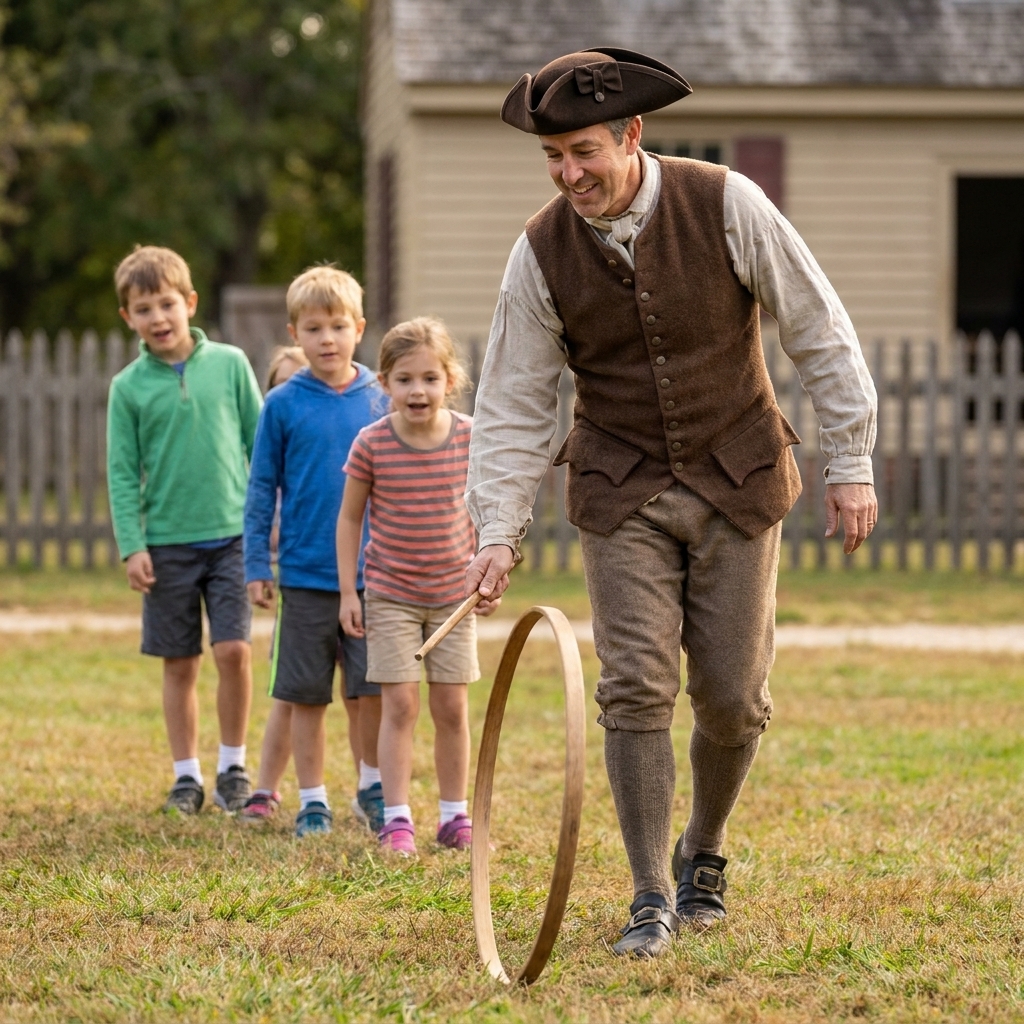
One of my favorite tricks for keeping kids invested in an 18th-century day is simple: give them something to do that a child in colonial America would recognize instantly. Not a worksheet. Not a lecture. A wooden hoop rolling over grass, a set of pins clattering on a board, a bundle of sticks that suddenly becomes a game with rules and bragging rights.
Colonial games are perfect road trip fuel because they bridge the gap between museum labels and real life. Kids immediately understand that people back then got bored, got competitive, and found ways to have fun with whatever they had. If you want your next history stop to stick, build your day around a place where play is part of the interpretation.
What counts as an authentic colonial game?
Most interactive historic sites rotate games based on season, staffing, and crowd level, but the usual suspects show up again and again across the colonies. You will often see:
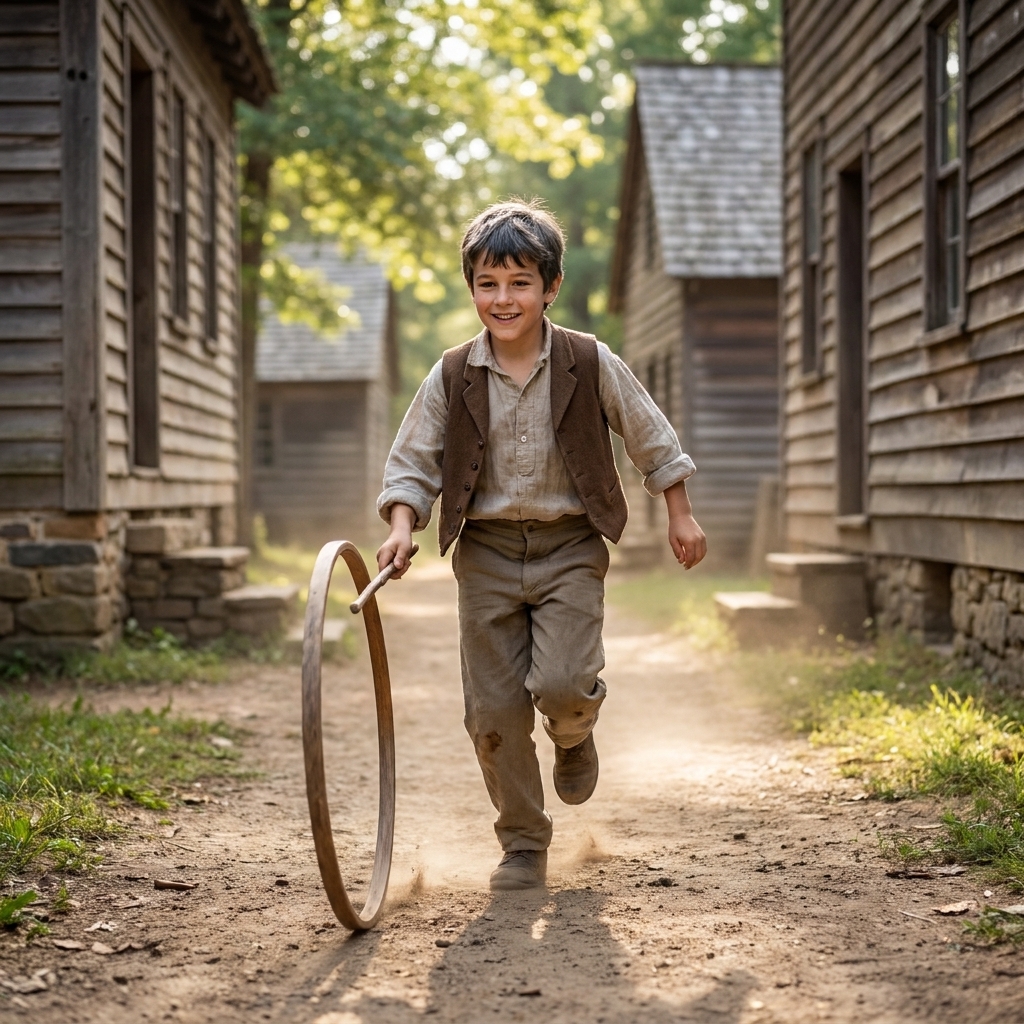
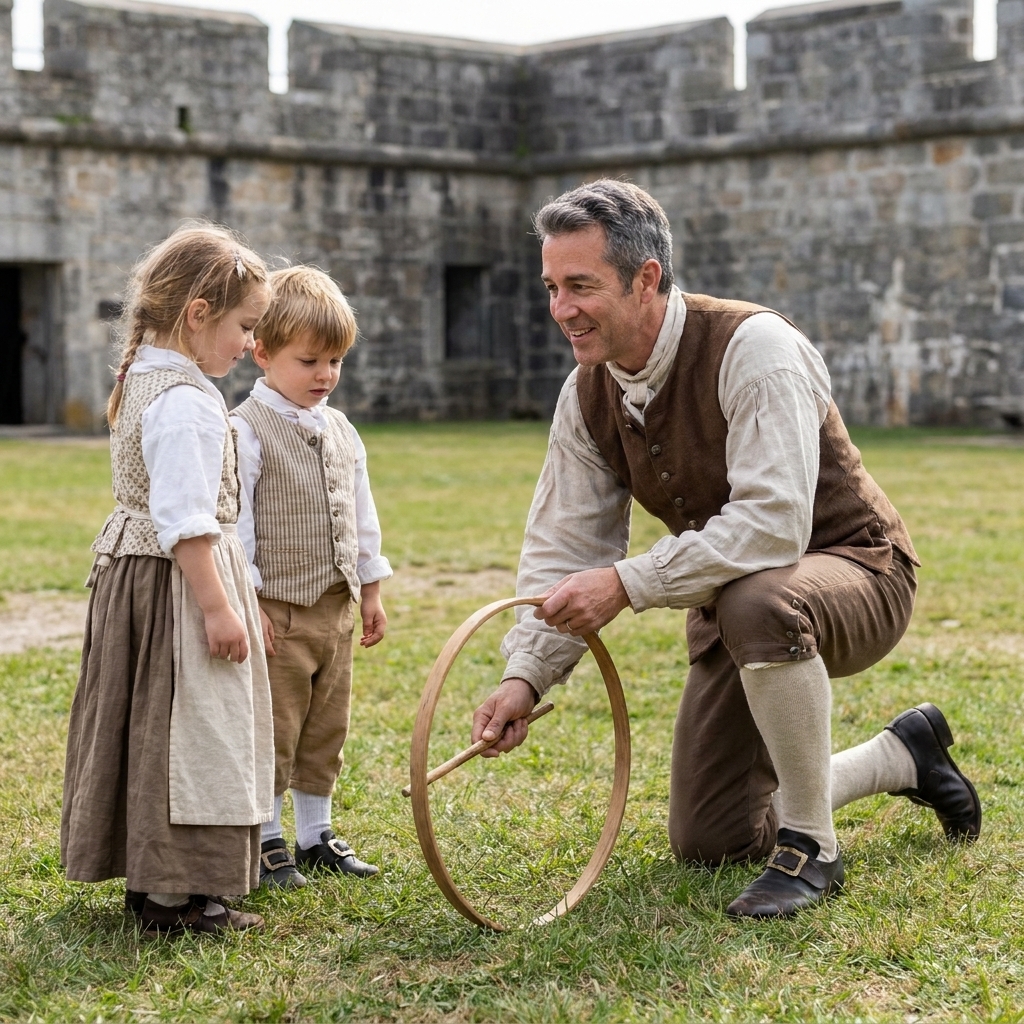
- Hoop rolling (a wooden hoop pushed with a stick, deceptively challenging on uneven ground)
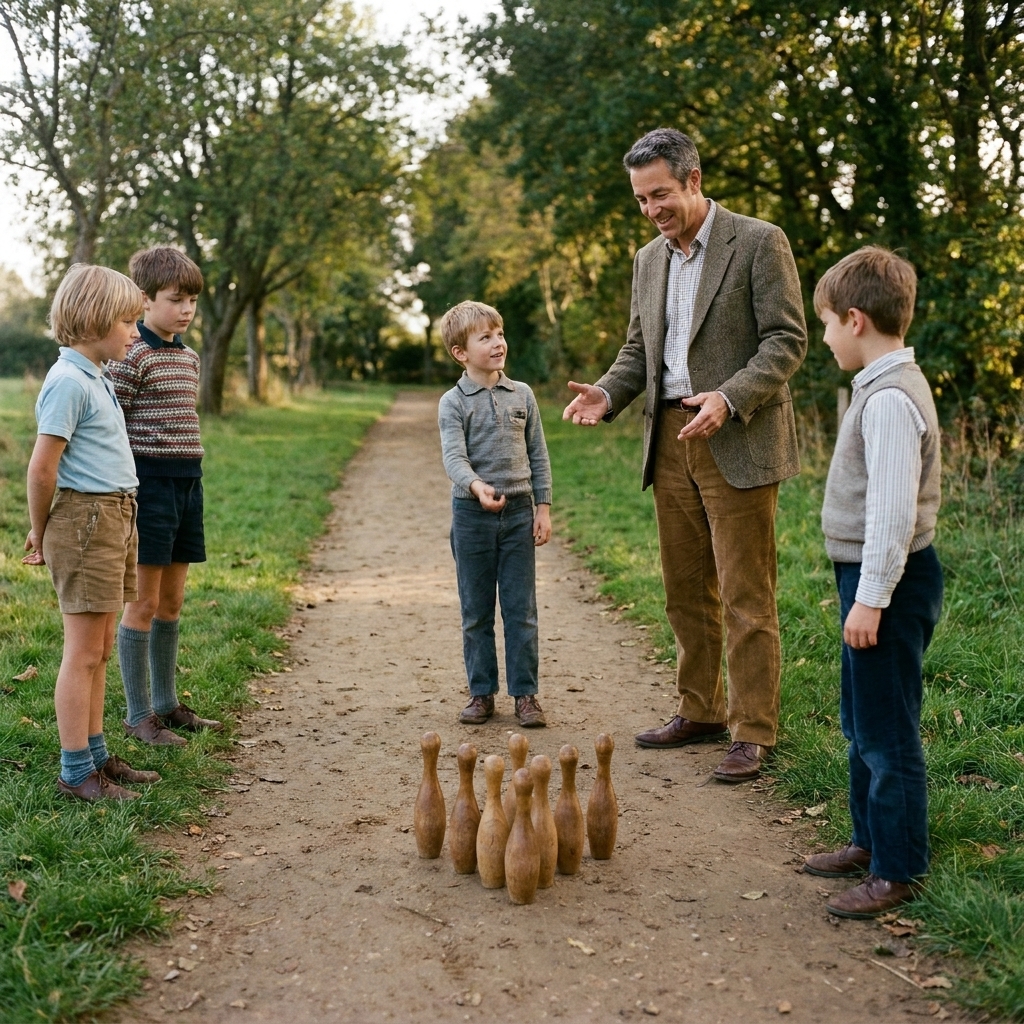
- Ninepins (think bowling’s older cousin, often played with wooden pins and a ball that varies by region and rule set)
- Graces (sometimes called “French graces,” a fashionable game where two players toss a ribboned hoop back and forth using wooden sticks)
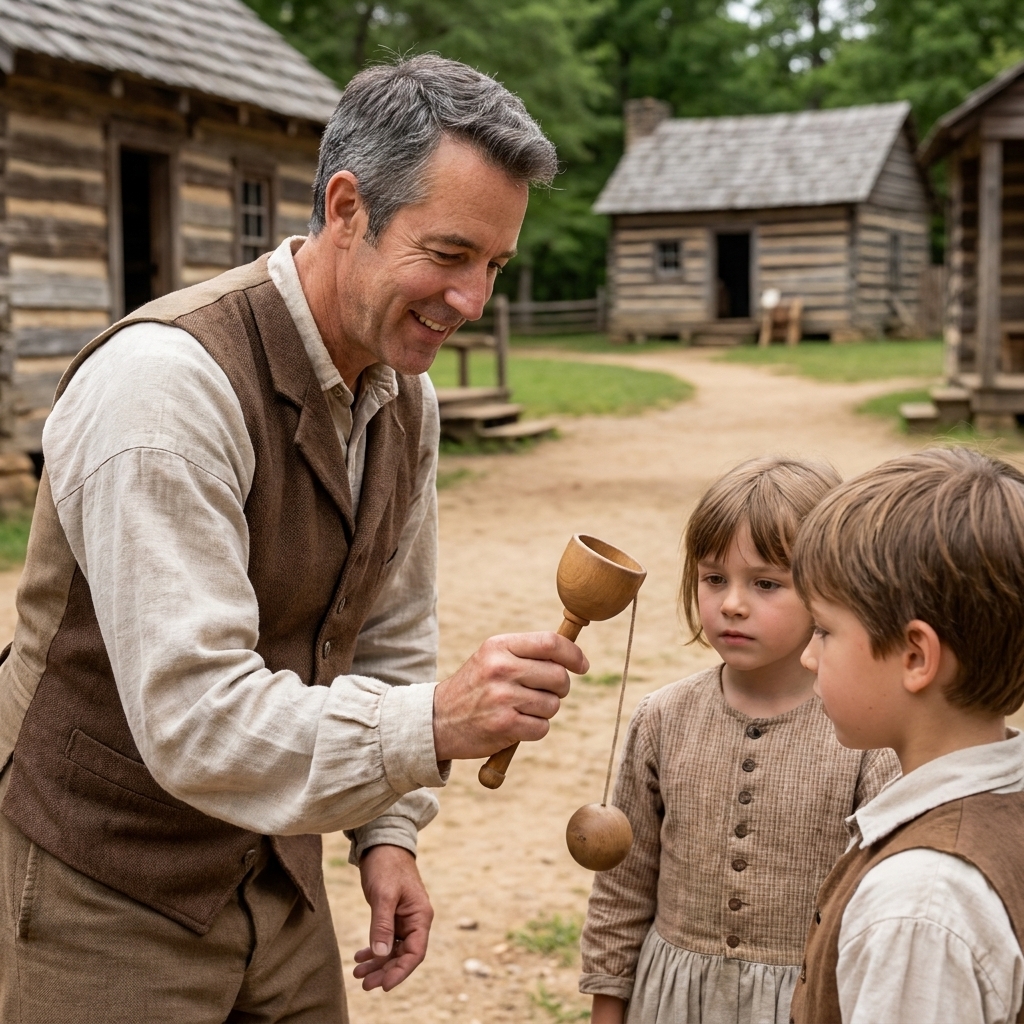
- Ball and cup (catch the ball in a cup on a stick, a classic patience test)
- Quoits (ring tossing, sometimes rope, leather, or metal depending on the site)
- Stilts (simple wooden peg stilts, always a magnet for brave kids)
- Street and lawn games like marbles, tag variations, and simple throwing contests
One helpful thing to know: rules were not standardized the way they are now, and historic sites sometimes teach a safe, easy-to-learn version to keep lines moving. That is not a bad thing. The point is that the play feels period-plausible and helps kids understand how simple materials became entertainment.
What I love about these is that they are instantly understandable. A kid does not have to “get history” to get the game. The history sneaks in naturally when they start asking, “Did you have to make this yourself?” and “What did they use before rubber balls?”
5 sites with colonial games
Quick reality check, since this is a Revolutionary War site: not every destination below interprets the 1775 to 1783 window exclusively. Two of them skew earlier or a little later. I still include them because they are outstanding at teaching 18th-century and early American daily life, and the games translate beautifully to a Revolution-themed trip.
1) Colonial Williamsburg (Williamsburg, Virginia)
If you want the gold standard for hands-on 18th-century interpretation, Williamsburg is it. Depending on the day and location, you can run into games on the green, near trade shops, or as part of youth-focused programming. The staff is excellent at turning a simple game into a quick story about childhood, class, and daily routines without ever feeling like a school lesson.
Why it works for kids: the site is large enough that children can reset between activities. A game, then a shop, then a snack, then another game. That rhythm keeps meltdowns to a minimum.
Look for: hoop rolling, graces, ninepins, and small “try it yourself” stations that pop up seasonally.
2) Old Sturbridge Village (Sturbridge, Massachusetts)
Old Sturbridge Village is not Revolutionary War era. It is best known for interpreting early 19th-century New England, often roughly the 1790 to 1840 range depending on the program. Still, for families it is one of the best places in the region to let kids touch daily life, and traditional games and simple pastimes fit naturally into what you see on the village streets.
Why it works for kids: the village layout makes it feel like exploring a real community. Games do not feel like a sideshow. They feel like something that belongs in the scene.
Look for: lawn games, throwing contests, and family activity areas where staff teach rules quickly and keep things moving.
3) Plimoth Patuxet Museums (Plymouth, Massachusetts)
Plimoth Patuxet goes even earlier, focusing on 17th-century New England rather than the Revolution. I like it as a bonus stop when you are already building a Massachusetts trip and want a day that is heavy on interaction. Just go in with the right expectations: this is not a Revolutionary War site, but it is excellent for helping kids understand the deeper roots of daily life, including how games and toys had to fit into a world where work came first and materials were limited.
Why it works for kids: interpreters tend to be interactive by default, and it is easy to bounce between demonstrations, animals, and hands-on moments.
Look for: ball and cup, simple skill games, and hands-on activities tied to family days and school vacation weeks.
4) Fort Ticonderoga (Ticonderoga, New York)
Fort Ticonderoga is one of those places where kids get hooked because it feels like a real fort. When the site leans into family programming, it can be a terrific place to mix military history with the ordinary human need to pass time. Games and pastimes are a natural fit for garrison life and camp routines.
Why it works for kids: it balances open space, dramatic scenery, and bite-sized interpretation. Even when kids are not actively playing a game, they are climbing hills, scanning the lake, and imagining what it was like to be stationed there.
Trip pairing: If you are planning a longer visit, I share a family-friendly rhythm for the area in A Weekend at Fort Ticonderoga.
5) Museum of the American Revolution (Philadelphia, Pennsylvania)
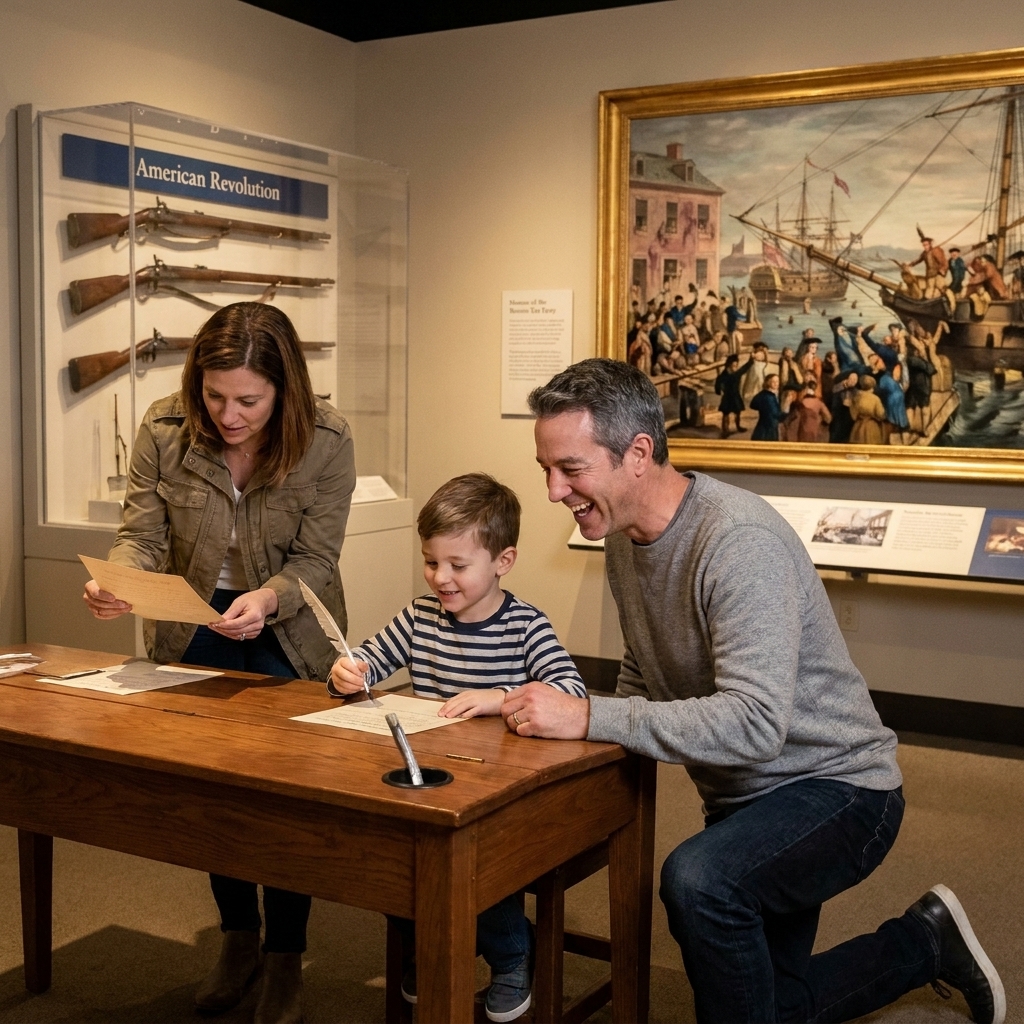
When the weather is miserable or you need an indoor option that still keeps kids engaged, Philadelphia is my go-to. The Museum of the American Revolution has strong family interpretation and hands-on elements that complement the bigger story. You are not guaranteed a colonial games station every single day, but the family programming often rotates in activities that involve play, craft, or skill-based challenges that echo the period.
Why it works for kids: it is structured, polished, and easy to do in a couple of hours without exhausting little legs.
Make it a day: If you want to stack interactive stops, I mapped out a walkable way to enjoy the city’s less obvious sites in Beyond Independence Hall: Hidden Revolutionary Philadelphia Walk.
How to make the games work
These games are simple, but a tiny bit of strategy goes a long way in preventing the classic “We did it once, now I’m bored” moment.
- Set a micro-challenge: “First to roll the hoop to that tree without tipping” or “Best two-out-of-three in ninepins.” A goal gives the game a story arc.
- Rotate roles: one kid plays, one keeps score, one resets pins, then swap. This works especially well with siblings.
- Give them period context in one sentence: “This is what you do when you have daylight left and chores are done.” Keep it short and let them play.
- Use games as a reward: do the serious exhibit first, then promise ten minutes of play afterward.
- Time it right: weekends and special event days are your best bet for interpreters actively running games and teaching rules.
- Safety and access first: uneven ground and wooden equipment can mean slips and splinters. Stay close with younger kids, and expect some sites to limit games by age, crowd level, or weather.
- Pack for the reality: sunscreen, water, and shoes that can handle grass and gravel. Hoop rolling and stilts do not mix well with slippery soles.
More kid-friendly stops
If your crew likes hands-on history, you can build entire days around places that encourage movement and curiosity. I pulled together more ideas in Top 5 Revolutionary War Battlefields to Visit With Kids. Even on a battlefield day, I find a “playable” moment helps kids connect to what they are seeing.
For a broader mix of daily life, crafts, and the stuff that fills in the gaps between battles, you can also browse my Colonial Life guide.
Quick glossary
Hoop rolling
A wooden hoop is rolled along the ground using a stick. It is louder than you expect and harder than it looks on uneven paths.
Ninepins
Knock down nine wooden pins using a ball. Variations exist, but the goal is the same: topple pins, keep score, and argue politely about whether that last one wobbled enough to count.
Graces
Two players toss a hoop wrapped with ribbons using paired wooden sticks. It is part coordination, part finesse, and excellent for kids who like a challenge.
Ball and cup
A ball attached to a string is swung and caught in a cup on a stick. Simple, portable, and a great “waiting in line” activity when offered at a site.
Quoits
Toss rings toward a peg or target area. At historic sites you might see rope rings, leather-wrapped rings, or other period-appropriate versions.
Stilts
Basic peg stilts turn walking into an instant challenge. They are fun, but they are also where kids learn quickly about balance and safe spacing.
Marbles
A small, competitive game that can be as simple as “closest to the line wins” or as structured as knocking marbles out of a ring. It is also a great reminder that not every good game needs much equipment.