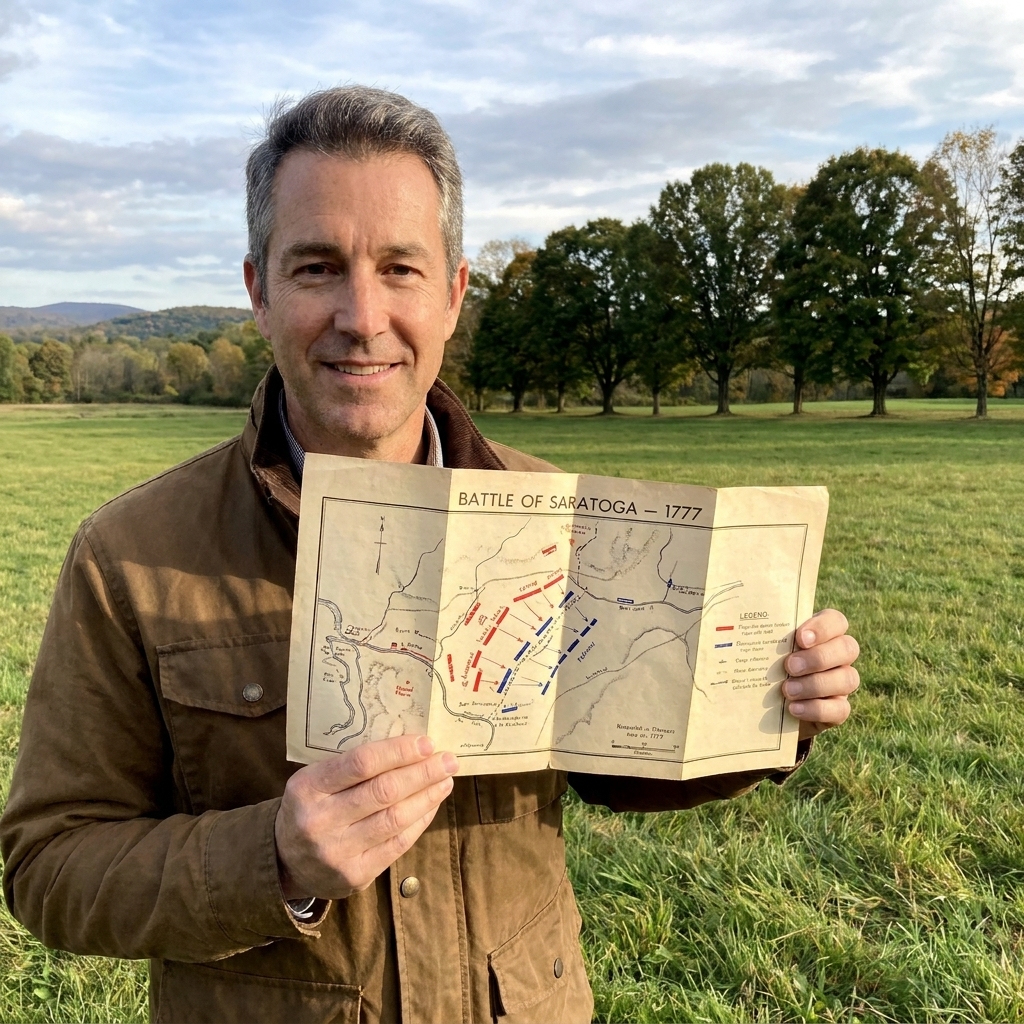

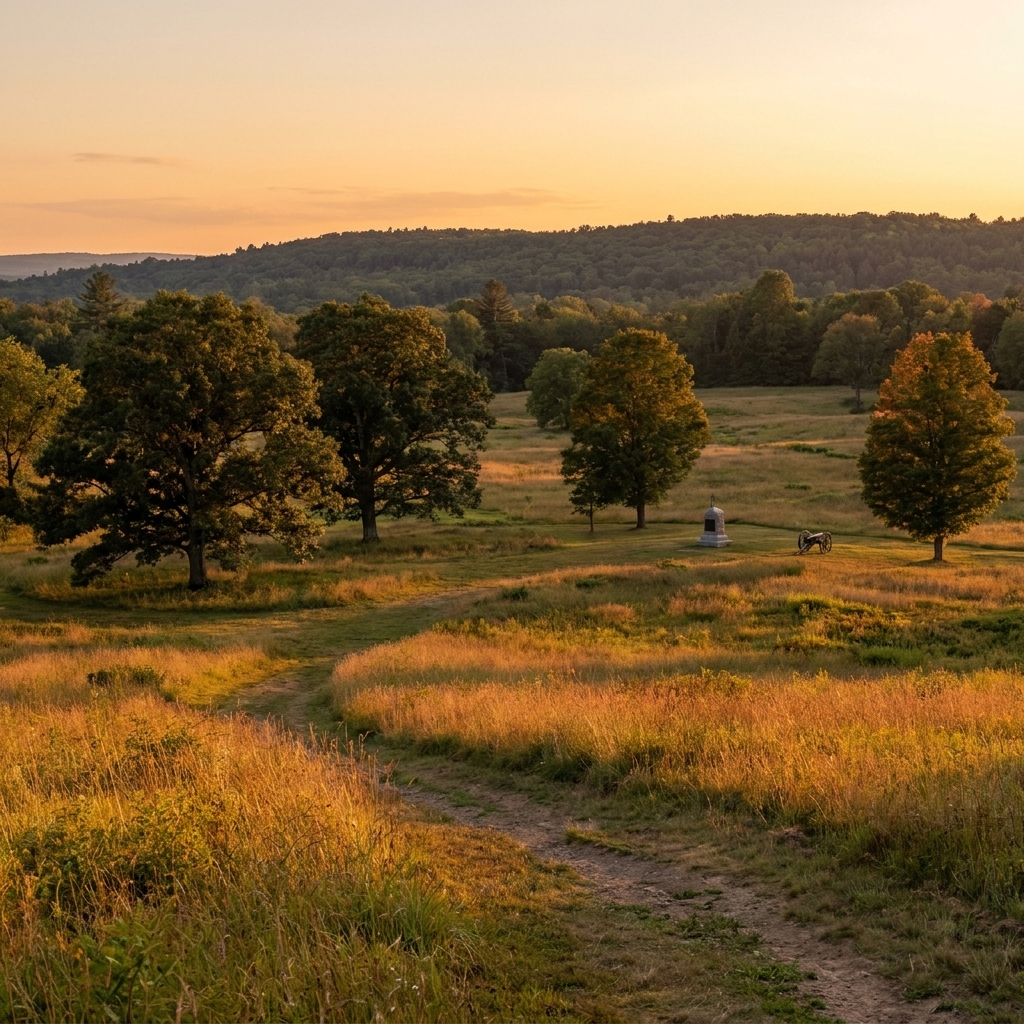
I have stood in plenty of places where the Revolutionary War feels simple. A ridgeline with a clear winner. A monument that tells you exactly what to think. Benedict Arnold is the opposite. If you follow his footsteps in person, the story refuses to behave. You find a man who fought like a whirlwind for the American cause, bled for it, and then tried to sell it.
This is a travel route I recommend when you want the Revolution in full human detail, not just in tidy slogans. Arnold’s trail takes you from the battered farm fields of Saratoga, to the cliffs and cannons of the Hudson Highlands at West Point, to the smoking shoreline of New London and Groton Heights. Along the way, you will see why some communities still struggle to decide whether to curse his name, grit their teeth, or do both at once.
Before you go: Arnold in one breath
Benedict Arnold started the war as one of the Continental cause’s most daring field commanders. He helped seize Fort Ticonderoga alongside Ethan Allen and the Green Mountain Boys, fought hard in the Canadian campaign, and played a crucial role in the 1777 Saratoga campaign. His reward was a body wrecked by wounds, mounting debt, political enemies, and a gnawing sense that Congress and fellow officers would never give him his due.
In 1780, while holding command of the West Point defenses, Arnold agreed to betray the fortress to the British. The plot unraveled when British Major John André was captured with incriminating papers. Arnold escaped down the Hudson to British lines, received a commission in the British Army, and later led raids that burned American towns, including an attack in 1781 on New London, Connecticut.
That arc is exactly why his sites make such a compelling trip. You are not just tracking a traitor. You are tracking the moment a hero cracked.
Stop 1: Saratoga, New York
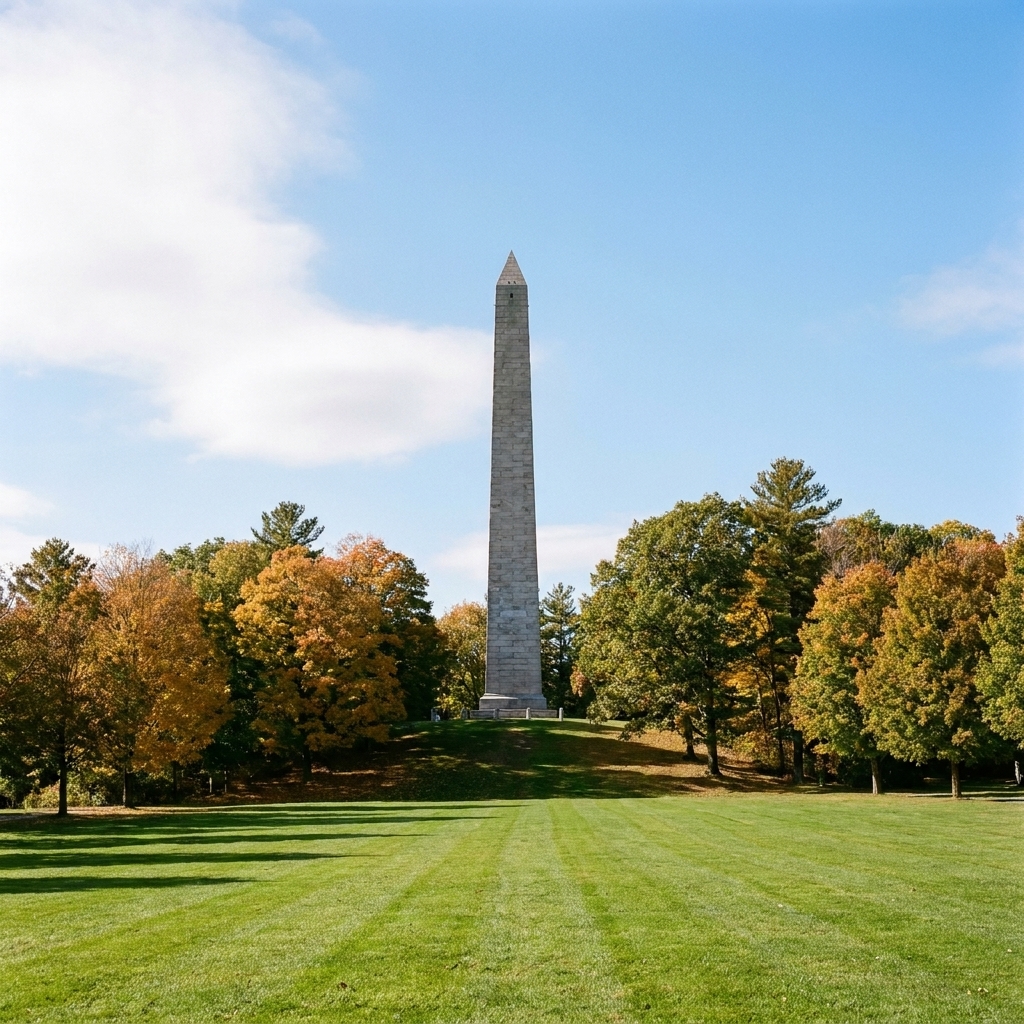
If you only know Arnold as the villain, Saratoga is where the ground pushes back. The 1777 campaign is often described as a major turning point of the war, and while Horatio Gates gets the official victory shine, Arnold’s battlefield aggression was a major reason the British plan collapsed.
What to see on site
- Saratoga National Historical Park drives and overlooks: The landscape is the story here. Even without naming every field, you can feel how close the fighting was and how quickly it could pivot from organized lines to chaos.
- The park visitor center: This is where I like to slow down and let the exhibits reset my mental timeline. Saratoga’s details can blur if you are trying to remember two battles, multiple commanders, and shifting positions.
- The “Boot” memorial: It is famously not a statue of Arnold, but it is absolutely about him. It commemorates his leg that was seriously injured at Saratoga. The absence is part of the message, and standing there makes the point more forcefully than any paragraph I could write.
How to experience Saratoga like a map nerd (in a good way)
I always bring a battlefield map mindset to Saratoga. The park roads are convenient, but it is the relationship between the ridges, woods, and open ground that makes the decisions make sense. If you want help “seeing” a battlefield the way commanders did, start with my explainer on how to read Revolutionary War battlefield maps on site.
Daniel’s quick tip
Give Saratoga at least half a day, and preferably a full day if you like walking. Arnold’s story here is about motion: sudden attacks, surges, and momentum. The more you move through the space, the more you understand why the day spun the way it did.
Stop 2: West Point and the Hudson Highlands

People sometimes treat Arnold’s treason like a morality play, but West Point makes it brutally practical. The Hudson River was a strategic artery. Control this corridor, and you choke the flow of men and supplies between New England and the middle colonies. West Point was not a symbolic prize. It was a lock on the river.
How to spend your time in the Highlands
I plan this stop around three kinds of experiences, and you can mix them depending on what you have time for. First, get a big, high view of the river so the geography clicks. Second, spend time around fortification remnants and artillery positions, because that is where the “why here” becomes obvious. Third, if you have the patience for it, give yourself a museum hour to stitch the story together after you have seen the terrain with your own eyes.
What to look for when you visit
- River geography: Find a place where you can see the Hudson narrow and bend. Imagine trying to move an army along its banks while an enemy controls the heights.
- The logic of fortifications: You do not need to be an engineer to appreciate why cannon placement, elevation, and line of sight mattered. The terrain teaches you quickly.
- The sense of closeness: This is one of those regions where “distance on a map” feels different than distance on foot. Arnold’s communications, secrecy, and timing become more real when you realize how quickly things could travel by river.
Because access and what you can see can vary depending on where you go in the Highlands, I treat this as a flexible day rather than a single must do stop. If you want a general framework for building a trip around sites like this, I put my approach in plan a Revolutionary War site visit.
Why this stop matters
At Saratoga, Arnold’s legacy is complicated because he helped win. At West Point, it is complicated because the stakes were so high. Standing above the Hudson, it becomes obvious that his plot was not an abstract betrayal. It was a plan to break the Revolution in half.
Stop 3: New London and Groton Heights

If you want to understand why Arnold’s name stayed radioactive for generations, go to the Connecticut shoreline. In 1781, now wearing a British uniform, Arnold led an expedition against New London. Across the river at Groton Heights, the fight at Fort Griswold became infamous for its violence and the lasting bitterness it sparked.
How to visit with the right frame of mind
- Orient yourself to the harbor first: Coastal geography shapes everything. Once you see the water approaches and landing possibilities, the raid reads less like a footnote and more like an intentional strike.
- Expect Fort Griswold to be the emotional center: Visitors quickly find that the story funnels toward the fort and what happened there. Give yourself time to read, pause, and absorb, not just check a box.
- Notice community memory: This is a place where the Revolution is not only “national history.” It is local family history. Monuments, museums, and place names often tell you what hurt most and what people refused to forget.
This stop can be heavier than Saratoga or West Point, especially if you are traveling with kids. If you are building a family friendly itinerary, I would pair this with a site that gives you more breathing room and open space. My suggestions are in top Revolutionary War battlefields to visit with kids.
A sample itinerary
One quick reality check before you commit: Saratoga, the Hudson Highlands, and the New London area are not next door to each other. This is a satisfying loop, but it is a driving trip, and it rewards an early start.
Option A: The long weekend
- Day 1: Saratoga National Historical Park. I like starting at the visitor center, then doing the drives and short walks once my timeline is straight.
- Day 2: Hudson Highlands and a West Point focused day, planned around your priority: overlooks first, fortification logic on foot, or museum time to connect the dots.
- Day 3: New London Harbor for orientation, then Groton Heights and Fort Griswold with time to read markers and take it in.
Option B: The Saratoga deep dive
If your main interest is 1777 and how Saratoga helped bring France into the war, spend two days at Saratoga, then do a shorter Highlands day. For broader battle context across the war, I keep an evolving hub at Guide: Battles.
Option C: The traitor arc
Do West Point first, then New London, then Saratoga last. Ending at Saratoga gives you the gut punch contrast: you finish by seeing what he once was, after spending two stops on what he became.
What to watch for
1) Geography explains motivation
Arnold’s story gets told as psychology, ego, and anger, which is all true. But the landscape matters too. The Hudson Highlands show you why West Point was worth risking everything. Coastal New England shows you how raids could punish a community quickly. Saratoga shows you how the right ground at the right moment can turn a war.
2) Local interpretation varies
Some sites treat Arnold like a name they would rather not say. Others tackle the complexity head on. When interpretation differs from place to place, I consider that a feature, not a flaw. Arnold is a reminder that history is made by people, and people rarely fit comfortably on a plaque.
3) Walk, then read, then walk again
I collect antique maps, but I am not precious about it. A modern park map and a patient walk do most of the work. The key is to read a little, walk a little, then read again with the terrain fresh in your mind.
Frequently asked questions
Was Benedict Arnold actually important before he betrayed the Revolution?
Yes. Before 1780, Arnold was widely regarded as brave and effective in the field. His leadership in key early operations and his role in the Saratoga campaign are central reasons he remains such a complicated figure. If he had died after 1777, he likely would have been remembered very differently.
Why was West Point such a big deal?
Because of its position on the Hudson River. It was designed to block British control of a vital north south corridor. In plain terms, it was a strategic choke point. Visiting the Highlands makes that reality feel obvious.
Is this trip doable with kids?
Yes, with planning. Saratoga is generally the easiest for families because it offers a mix of driving, short walks, and clear interpretive stops. West Point area visits can be great for older kids who like big views and “why here” questions. New London and Groton Heights can be intense depending on what you focus on, so I recommend previewing the topics you want to discuss in the car.
Where should I go next if I like people focused Revolutionary War travel?
I keep a growing set of biography driven travel ideas in Guide: People, and a broader set of place based planning tools in Guide: Historic Sites.
Final thought
Every time I visit an Arnold connected site, I come away with the same uncomfortable takeaway: the Revolution was won by imperfect people. Arnold’s betrayal deserves its place in the cautionary hall of fame, but the ground also remembers his courage, his wounds, and the victories he helped make possible.
If you follow him from Saratoga to West Point to New London, you do not get a clean moral. You get something better for a traveler who loves history. You get a story you can test against real terrain, one stop at a time.
If you want to learn a bit more about me and how I approach these trips, you can find me at /author/daniel-townsend/.